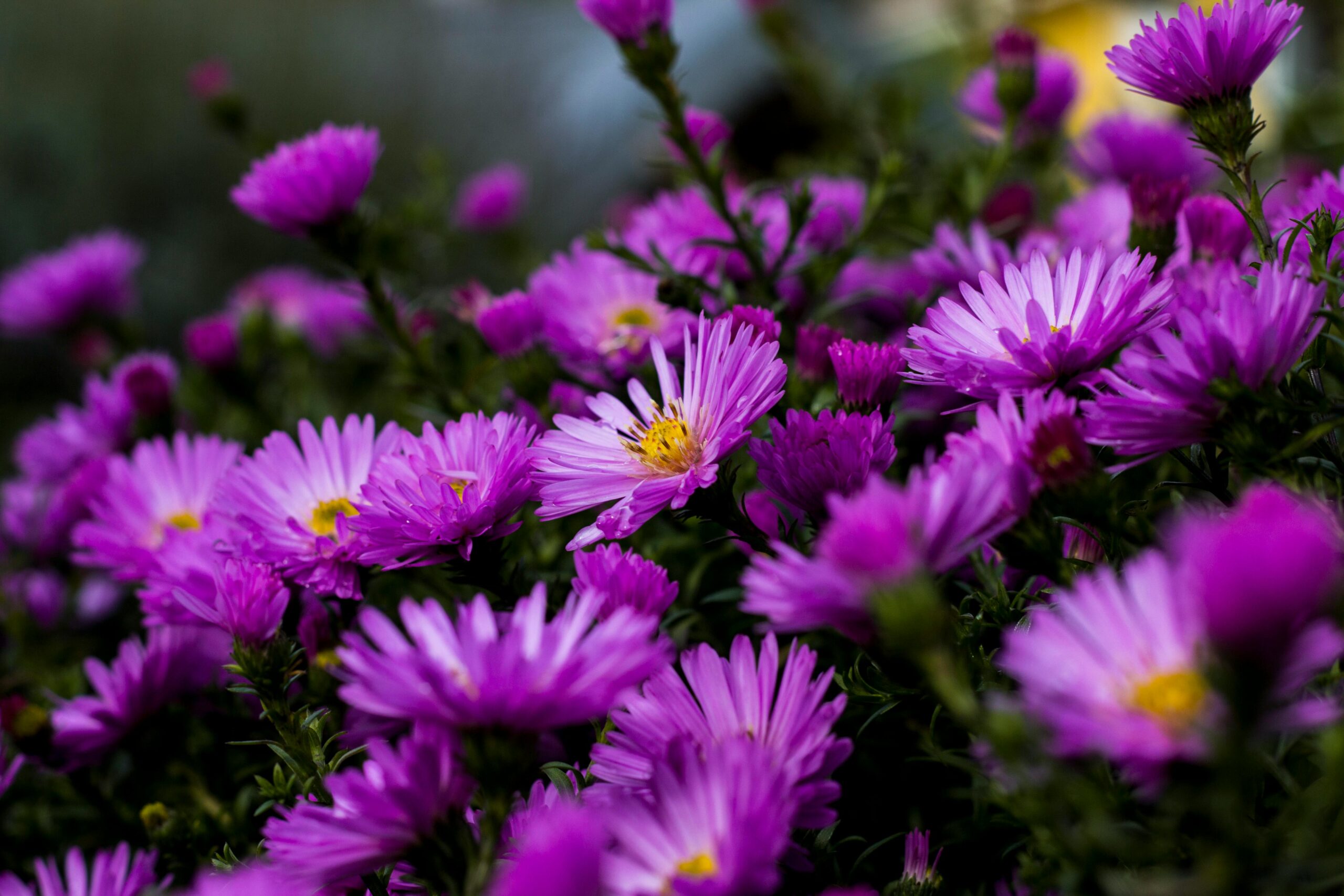
Perennials to plant in September give your garden the best chance to thrive before winter arrives. Planting during this month takes advantage of warm soil, gentle sun, and cooler nights, which help perennials develop strong roots. By the time spring comes, they’ll reward you with earlier growth, healthier foliage, and abundant blooms.
By planting perennials in September, you give them a head start. They get a chance to settle in before winter and will reward you with stronger growth and more blooms next year. If you’ve been considering refreshing your garden beds, adding some color to bare spots, or investing in long-lasting plants, this is the perfect time.
In this guide, we willexplore the 7 best perennials to plant in September before the weather gets too cool, so you can enjoy healthier growth, earlier blooms, and a more vibrant garden.
Table of Contents
Why September is the Best Time for Perennials to Plant in September
Before diving into the plants, it’s worth understanding why September is such a sweet spot:
- Soil warmth: Roots grow best when the soil is warm. While air temperatures cool in September, the soil retains summer heat, which helps new perennials establish more quickly.
- Less stress: Unlike spring or summer, there’s no extreme heat for plants to battle. Cooler days mean less watering and lower transplant shock.
- More time to focus on roots: Instead of putting energy into producing flowers, plants can channel energy into developing strong root systems before winter.
- Early spring growth: By the time spring arrives, perennials planted in the fall are already established, resulting in earlier blooms and healthier foliage.
Now, let’s look at the best candidates for your fall planting list.
1. Coneflowers – A Colorful Choice of Perennials to Plant in September
Coneflowers are a classic choice for any perennial garden. Known for their daisy-like petals and tall, upright stems, they are both tough and beautiful.
Why they are great perennials to plant in September:
Coneflowers thrive when given time to develop strong roots before winter. Fall planting ensures they come back vigorously in spring with bold flowers that last from early summer into fall.
Benefits:
- Attracts pollinators like bees and butterflies.
- Low maintenance once established.
- Drought-tolerant, making them perfect for low-water gardens.
- Available in a wide range of colors beyond the traditional purple, including orange, yellow, and white.
Growing tips:
- Choose a sunny location with well-drained soil.
- Space plants about 18–24 inches apart.
- Water deeply after planting, but avoid soggy soil.
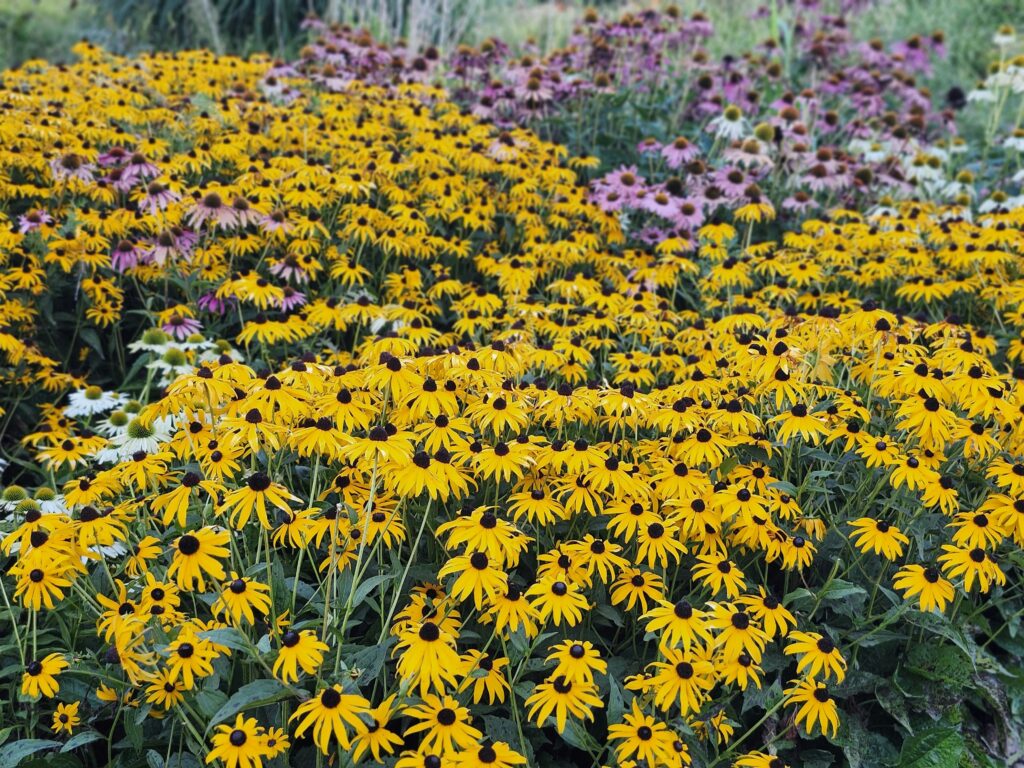
2. Black-Eyed Susan – Cheerful Perennials to Plant in September
Black-eyed Susans are one of the most cheerful perennials, with golden-yellow petals and dark centers that brighten any late-summer or fall garden.
Why they are great perennials to plant in September:
They’re hardy and quick to establish, making them an excellent candidate for fall planting. They’ll settle in easily before frost arrives and burst with color the following summer.
Benefits:
- Long bloom time from midsummer to fall.
- Great for pollinators, especially butterflies.
- Deer and rabbit resistant.
- Naturalizes well, creating bigger clumps over time.
Growing tips:
- Plant in full sun for the best flower production.
- Prefers average, well-drained soil.
- Cut back spent flowers to encourage more blooms.
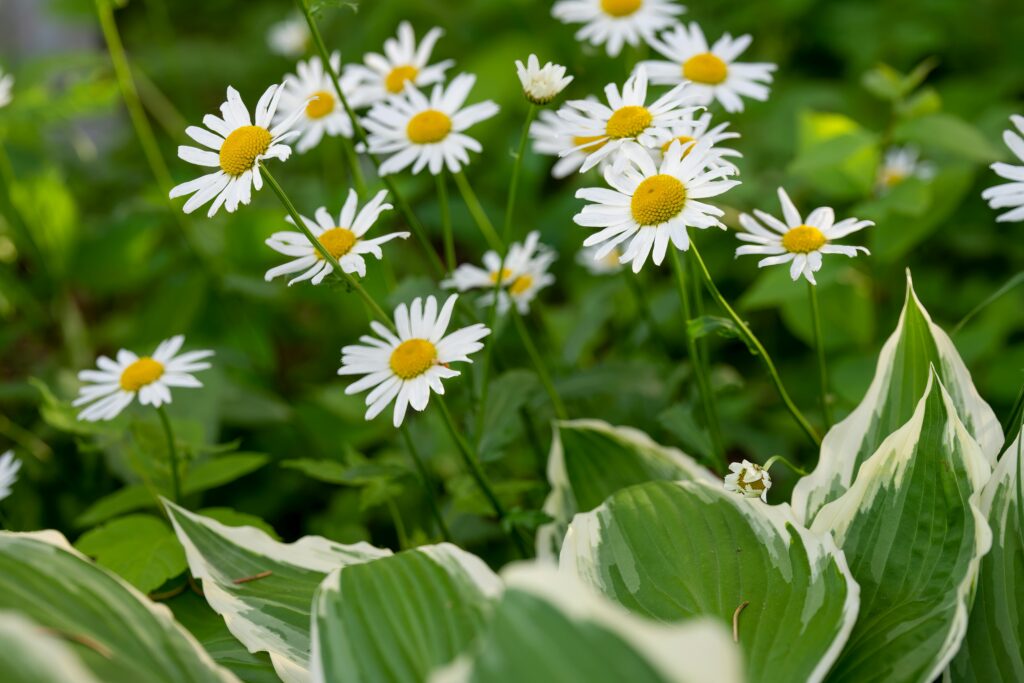
3. Hostas – Shade-Loving Perennials to Plant in September
If you have a shady garden, hostas are a go-to perennial. Their lush foliage comes in shades of green, blue, and variegated patterns, making them a versatile and attractive choice.
Why they are great perennials to plant in September:
Hostas benefit greatly from the cooler fall temperatures. Planting in September gives their roots time to develop without the stress of hot summer days.
Benefits:
- Wide variety of leaf colors and sizes.
- Excellent for shaded or partially shaded areas.
- Low maintenance and long-lived.
- It can be divided easily every few years to spread around the garden.
Growing tips:
- Plant in rich, moist, well-drained soil.
- Keep soil consistently damp, especially in the first year.
- Watch out for slugs and snails, which are attracted to the foliage.
4. Peonies – Long-Lived Perennials to Plant in September
Peonies are legendary for their massive, fragrant blooms in late spring. While they take a little patience to establish, they can live for decades once settled.
Why they are great perennials to plant in September:
Fall is the absolute best time to plant peonies. They need a period of cool weather to establish roots, and planting them too late in spring can delay their growth.
Benefits:
- Stunning, large flowers in a range of colors.
- Long lifespan—peonies can last 50 years or more.
- Virtually pest-free.
- Strong cut flowers for arrangements.
Growing tips:
- Plant root divisions with the “eyes” (buds) no more than 2 inches below the soil surface.
- Peonies need full sun for best flowering.
- Avoid moving them once established, as they dislike disturbance.
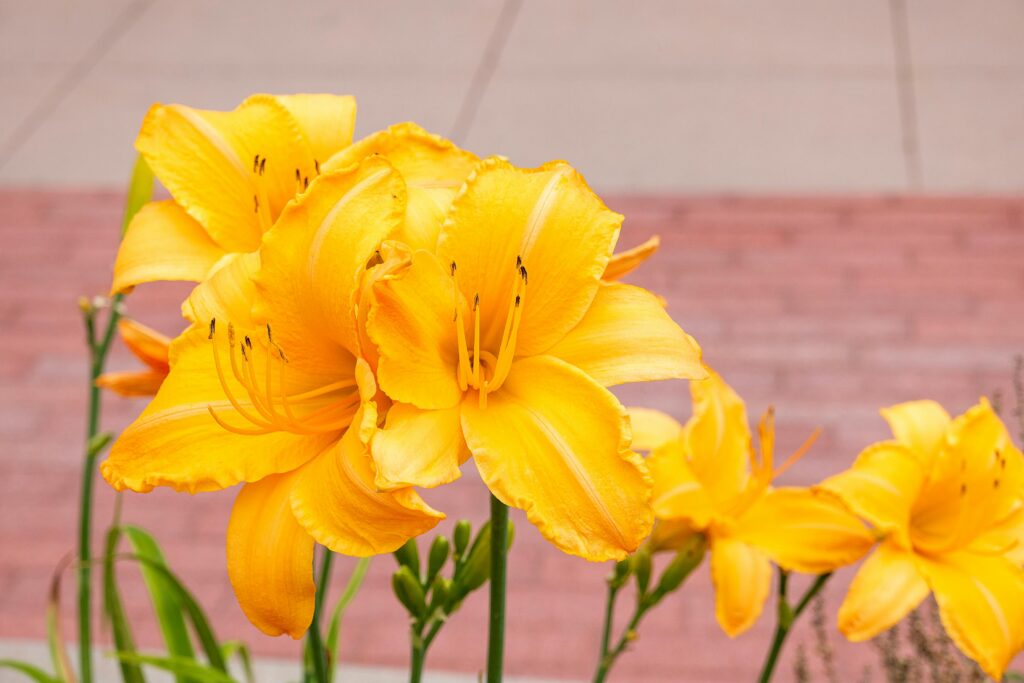
5. : Daylilies – Hardy Perennials to Plant in September
Daylilies are among the toughest and most adaptable perennials. They thrive in almost any condition and come in a rainbow of colors.
Why they are great perennials to plant in September:
Fall planting gives daylilies a strong root system that ensures abundant blooms next year. They adapt quickly and handle transplanting well.
Benefits:
- Extremely hardy and tolerant of poor soil.
- Wide color selection, including yellows, reds, pinks, and purples.
- Long blooming period, with some varieties re-blooming.
- Once established, they need very little care.
Growing tips:
- Plant in full sun to part shade.
- Space about 18–24 inches apart.
- Water well after planting and mulch to protect roots over winter.
6. Sedum – Low-Maintenance Perennials to Plant in September
Sedum, often called stonecrop, is a late-blooming perennial that shines in September. With its fleshy leaves and star-shaped flowers, it’s a standout in both sunny borders and rock gardens.
Why they are great perennials to plant in September:
Since sedum thrives in cooler weather and is drought-tolerant, fall planting helps it root well before winter. You’ll see strong growth and blooms by late summer next year.
Benefits:
- Attracts butterflies and pollinators.
- Great for low-water or xeriscape gardens.
- Stays attractive year-round with interesting foliage.
- Extremely low maintenance.
Growing tips:
- Plant in well-drained, sandy, or gravelly soil.
- Prefers full sun but tolerates some shade.
- Avoid overwatering, as too much moisture can rot the roots.
7. Salvia – Pollinator-Friendly Perennials to Plant in September
Salvia is a long-blooming perennial that adds vibrant spikes of purple, blue, or red flowers to your garden. Known for its fragrance and pollinator-friendly nature, it’s a reliable plant for borders and beds.
Why they are great perennials to plant in September:
Fall planting gives salvia a chance to anchor its roots before winter, ensuring earlier and stronger blooms next year.
Benefits:
- Attracts bees, butterflies, and hummingbirds.
- Deer and rabbit resistant.
- Comes in many sizes and colors.
- Drought-tolerant once established.
Growing tips:
- Plant in full sun with well-drained soil.
- Deadheading spent flowers to extend the bloom season.
- Divide clumps every few years to maintain vigor.
Extra Tips for Perennials to Plant in September
To give your perennials the best start, keep these tips in mind:
- Water thoroughly: Even though it’s cooler, new plants need consistent moisture until the ground freezes.
- Mulch wisely: A 2–3 inch layer of mulch helps retain soil warmth and moisture, protecting young roots.
- Don’t fertilize heavily: Too much fertilizer in fall can encourage leaf growth instead of roots. Save heavy feeding for spring.
- Mind the frost date: Aim to plant at least 4–6 weeks before your region’s first hard frost to give plants time to settle.
- Label your plants: Perennials may disappear over winter, so marking their locations helps you avoid accidental digging in spring.
Final Thoughts on Perennials to Plant in September
September is a golden opportunity for gardeners. While many people think the season is ending, it’s actually the beginning of next year’s success. By planting perennials now, you set the stage for healthier, stronger, and more vibrant gardens come spring.
The seven perennials highlighted here—Coneflowers, Black-Eyed Susans, Hostas, Peonies, Daylilies, Sedum, and Salvia—are proven performers. They’ll not only survive the winter but come back each year to reward you with color, fragrance, and texture.
So grab your gardening gloves and make the most of the season. Plant now, and when spring arrives, you’ll be glad you did.
Leave a Reply