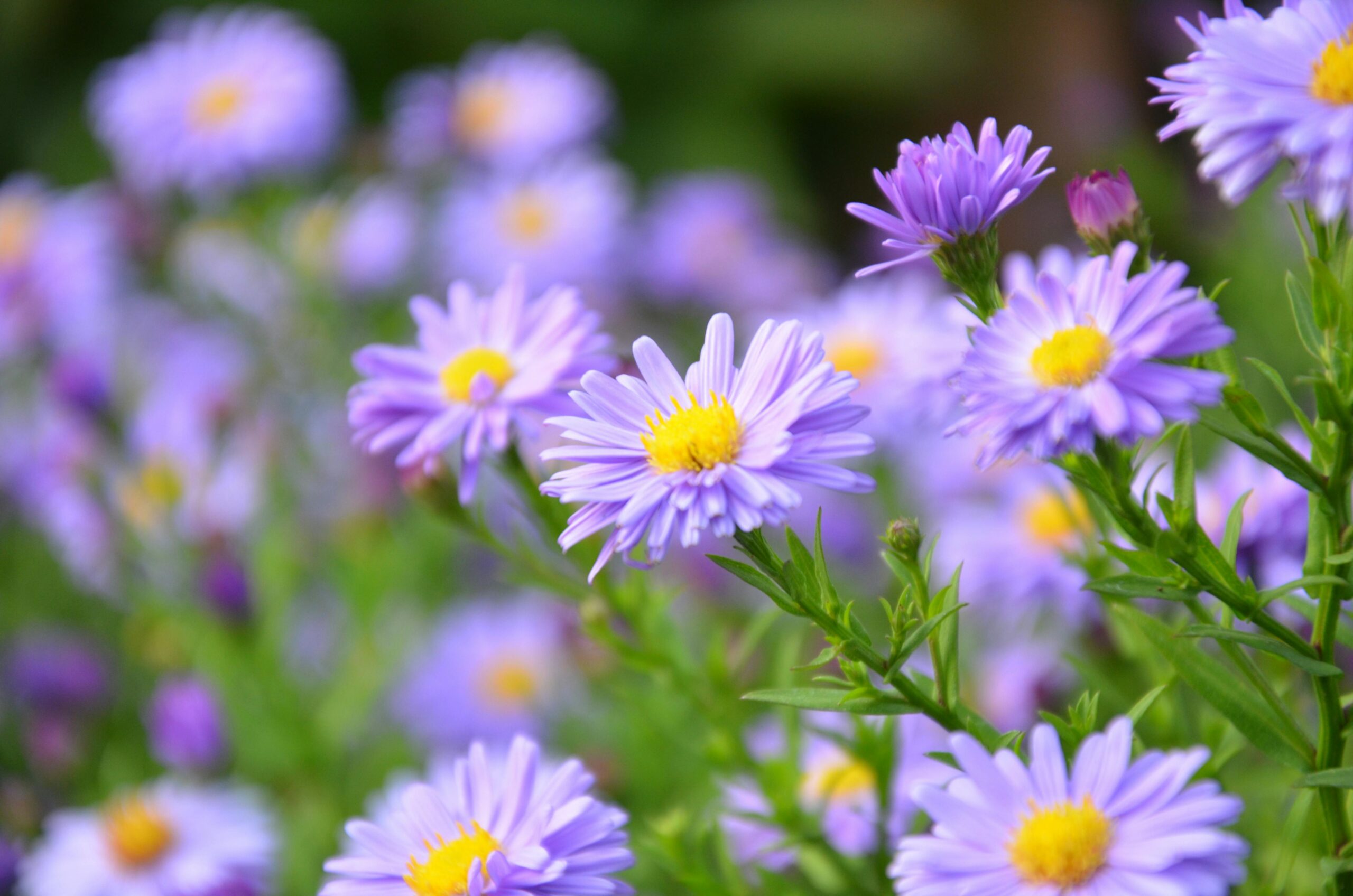
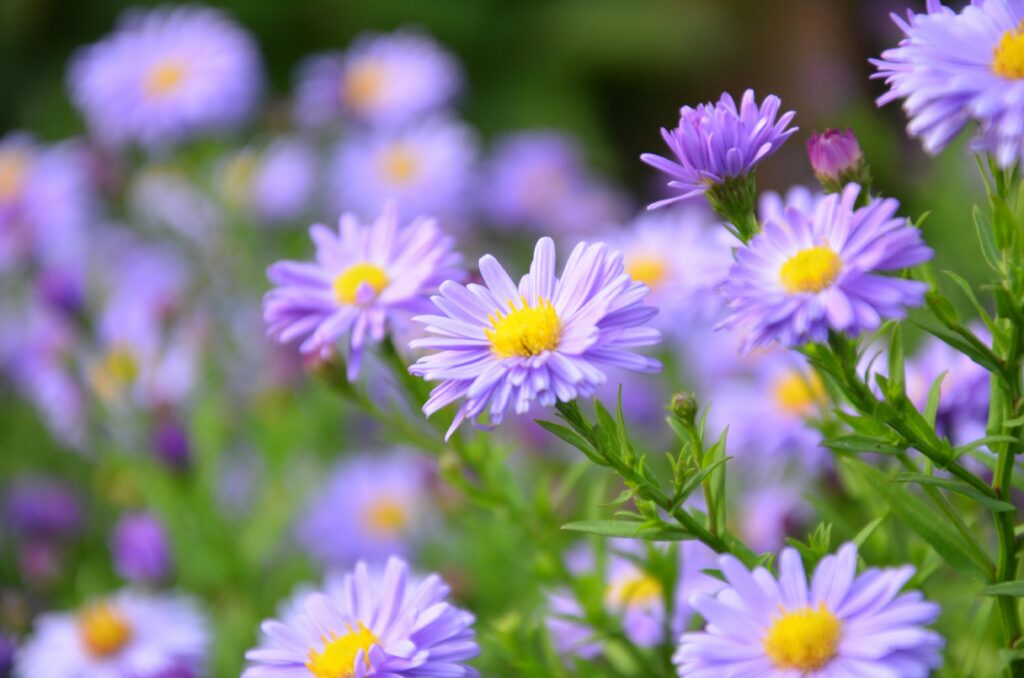
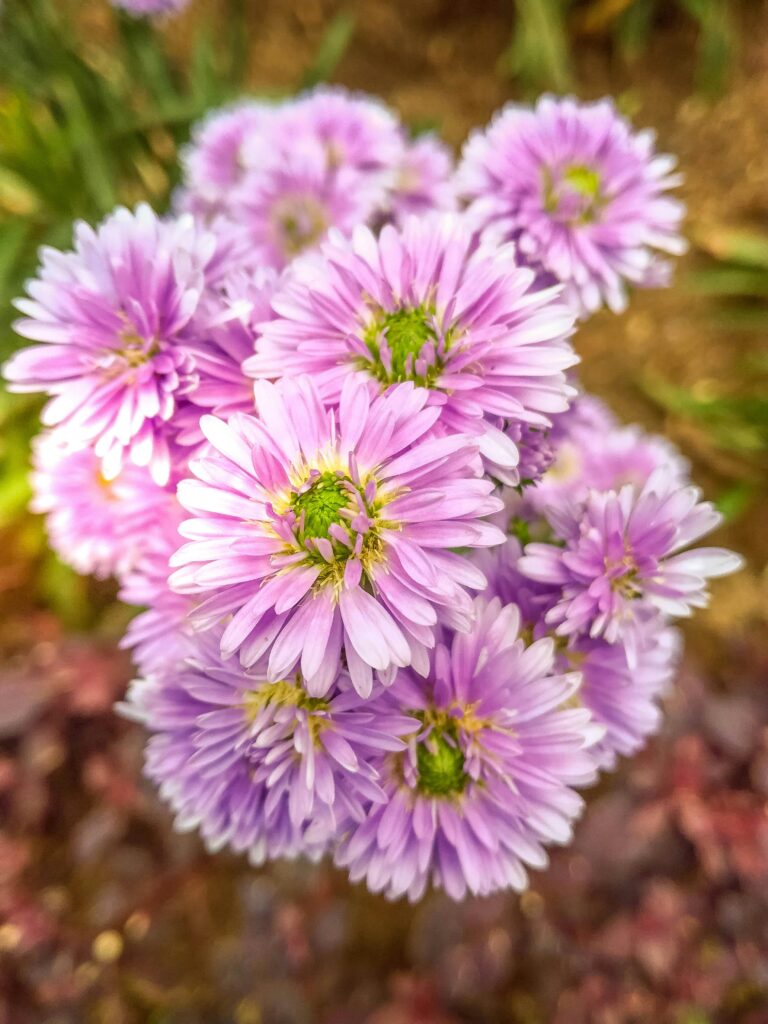
As most gardens wind down, asters pop up all over the place like stars. In the United States, their daisy-like petals, which range in color from pastels to vivid purples and blues, adorn roadsides, gardens, and fields. As the garden gets ready to rest, asters continue to be beautiful into the fall, while many other flowers reach their peak in the spring or summer.
This flower represents elegance, love, and hope in the US. In addition to their beauty, they are valued for their usefulness as pollinator-friendly, resilient, and adaptable. Asters connect the warmth of summer and the crispness of autumn in wild meadows, garden borders, or bouquets. Lets examine their history, meaning, and function in American gardens.
Table of Contents
A Flower with Starry Roots
The name Aster comes from the Greek word for “star.” Each bloom resembles a starburst, with narrow petals radiating from a golden center.
In the United States, native asters grow wild across prairies, woodlands, and along highways. There are over 170 native species, many of which have adapted perfectly to local climates. Early settlers noticed their resilience and beauty, weaving them into cottage gardens, while Indigenous peoples used some species for medicinal purposes.
Over time, asters became a fall staple in American gardens. Their ability to thrive when other flowers fade made them a dependable favorite for generations of gardeners.
Symbolism in American Gardens
Flowers often carry meaning, and asters are no exception. In the U.S., they are most commonly associated with:
- Love and Patience – It blooms late in the season, teaching patience and rewarding care with vibrant color.
- Elegance and Daintiness – Their delicate, fine petals give a refined look, making them popular in floral design.
- Remembrance – Often used in memorials or quiet garden spaces, asters stand for fond memories.
- September Birth Flower – In the United States, asters are officially recognized as the birth flower for September, symbolizing wisdom, faith, and love.
Because of these meanings, asters often appear in American weddings, anniversary bouquets, and seasonal floral displays.
Varieties of These Fall-Blooming Flowers
Not all flowers are the same. American gardeners enjoy a wide variety of asters, both native and cultivated. Some of the most popular types include:
- New England Aster (Symphyotrichum novae-angliae)
A tall, showy variety with vibrant purple petals and a golden center. A favorite for pollinators, especially monarch butterflies during their fall migration. - New York Aster (Symphyotrichum novi-belgii)
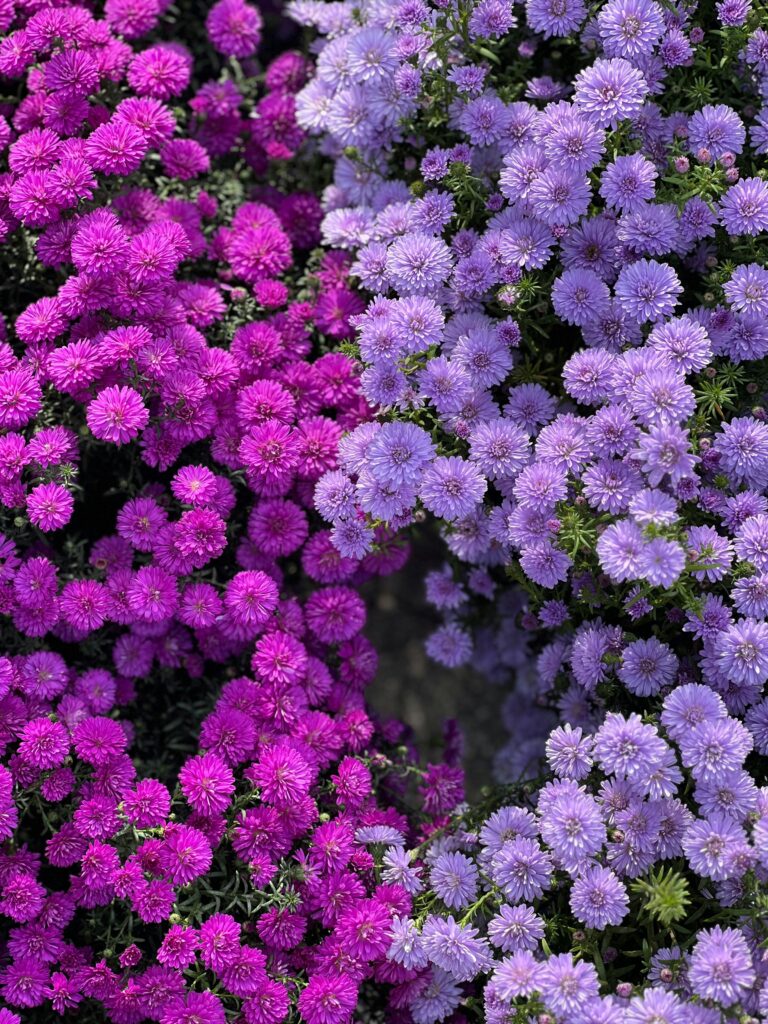
Known for its dense clusters of flowers in shades of pink, lavender, and purple. Common in borders and cut flower arrangements. - Smooth Aster (Symphyotrichum laeve)
An easy-to-grow native with bluish-purple flowers and smooth leaves. Very drought-resistant and low-maintenance. - Calico Aster (Symphyotrichum lateriflorum)
A charming woodland aster with small white flowers sprinkled across delicate stems, like little stars scattered in a forest. - Heath Aster (Symphyotrichum ericoides)
Covered in tiny white flowers, this variety creates a soft, cloud-like effect in gardens and prairies.
Each of these thrives in different parts of the U.S., but they all share one trait: they bring life to gardens just when many other plants are fading.
A Garden Partnership with Pollinators
One of the most valuable traits of asters in America is their role as a late-season food source for pollinators. Bees, butterflies, and other insects flock to their blooms when few other flowers are available. Monarch butterflies, in particular, rely on it during their southward migration to Mexico each fall.
Gardeners who want to support pollinator populations often plant asters alongside goldenrod. Together, they create a fall buffet of nectar and pollen that sustains wildlife into the cooler months.
How to Grow Starry Perennials at Home
It is surprisingly easy to grow, which is why they appear in so many U.S. gardens. Here are some key tips for success:
- Soil: They prefer well-drained soil but adapt to most conditions.
- Sunlight: Full sun encourages the most vibrant blooms, though some woodland varieties tolerate partial shade.
- Watering: Regular watering is best, especially in dry spells, though many natives are drought-tolerant once established.
- Spacing: Good airflow helps prevent mildew, a common issue with dense plantings.
- Pruning: Cutting back asters in early summer encourages fuller, bushier plants with more blooms.
Because asters come in so many native forms, American gardeners can find a variety suited to almost every region—from the dry plains of the Midwest to the woodlands of the Northeast.
Their Role in U.S. Landscapes
Across the United States, asters are more than just garden flowers. They are part of the natural landscape. In the Midwest, they blanket prairies in shades of purple and blue each fall. In the South, they thrive along roadsides, bringing color to fields. In the Northeast, wild asters brighten forests and meadows as autumn begins.
Public gardens and botanical centers in the U.S. often feature asters in their fall displays, celebrating their role as one of America’s most beloved wildflowers.
Culture and Traditions Around September’s Birth Flower
It holds a quiet but meaningful place in U.S. culture:
- Weddings and Celebrations – Because they symbolize love and patience, asters are often included in wedding bouquets and anniversary arrangements, especially in September.
- Memorials – It is sometimes used in remembrance gardens or placed at memorial sites.
- Fall Festivals – In many American towns, asters are displayed during harvest festivals alongside pumpkins, mums, and goldenrods.
- Native American Heritage – Some Indigenous tribes historically used certain plants for medicinal purposes, such as teas for headaches or poultices for skin issues.
Even today, asters are cherished for their dual role as both cultural symbols and ecological allies.
Fall Favorites: Asters vs. Mums
As the quintessential fall flower in the United States, chrysanthemums, or mums, frequently steal the show. However, a lot of gardeners contend that asters are equally worthy of care.
It offers a more organic, untamed beauty, whereas mums are ostentatious and come in a rainbow of hues. Because many cultivated mums are bred with double blooms that reduce nectar accessibility, they are also better for pollinators. But in American gardens, mums and asters make a stunning combination: mums’ structured color and asters’ airy charm.
America’s Underrated Autumn Treasures
It does not always receive the credit it merits for its aesthetic appeal and ecological significance. They are frequently overlooked in favor of more ostentatious garden plants in the United States. However, their subtle enchantment is evident to anyone who has stopped to observe a field of asters glimmering in the late afternoon light.
Between summer and fall, between warmth and coolness, between endings and fresh starts, they are flowers of transition. In many respects, asters are a reflection of the American character: tough, flexible, and always willing to shine, even when the season appears to be coming to an end.
Conclusion: Planting Stars in Your Garden
Asters have a timeless charm, even though they might not burst into the season with the drama of summer roses or spring tulips. They are deeply ingrained in American culture and the landscape. When color is most needed, they enliven gardens, feed pollinators, and respect customs.
Asters are a great option for American gardeners seeking a plant that offers aesthetic appeal, ecological significance, and significance. Once you plant them, your garden will be a dazzling display of starry blooms every fall, reminding you that beauty always finds its way and that patience is rewarded.
Asters are ultimately more than just flowers. They serve as a reminder that new stars are always waiting to emerge, regardless of the changing of the seasons.
Leave a Reply