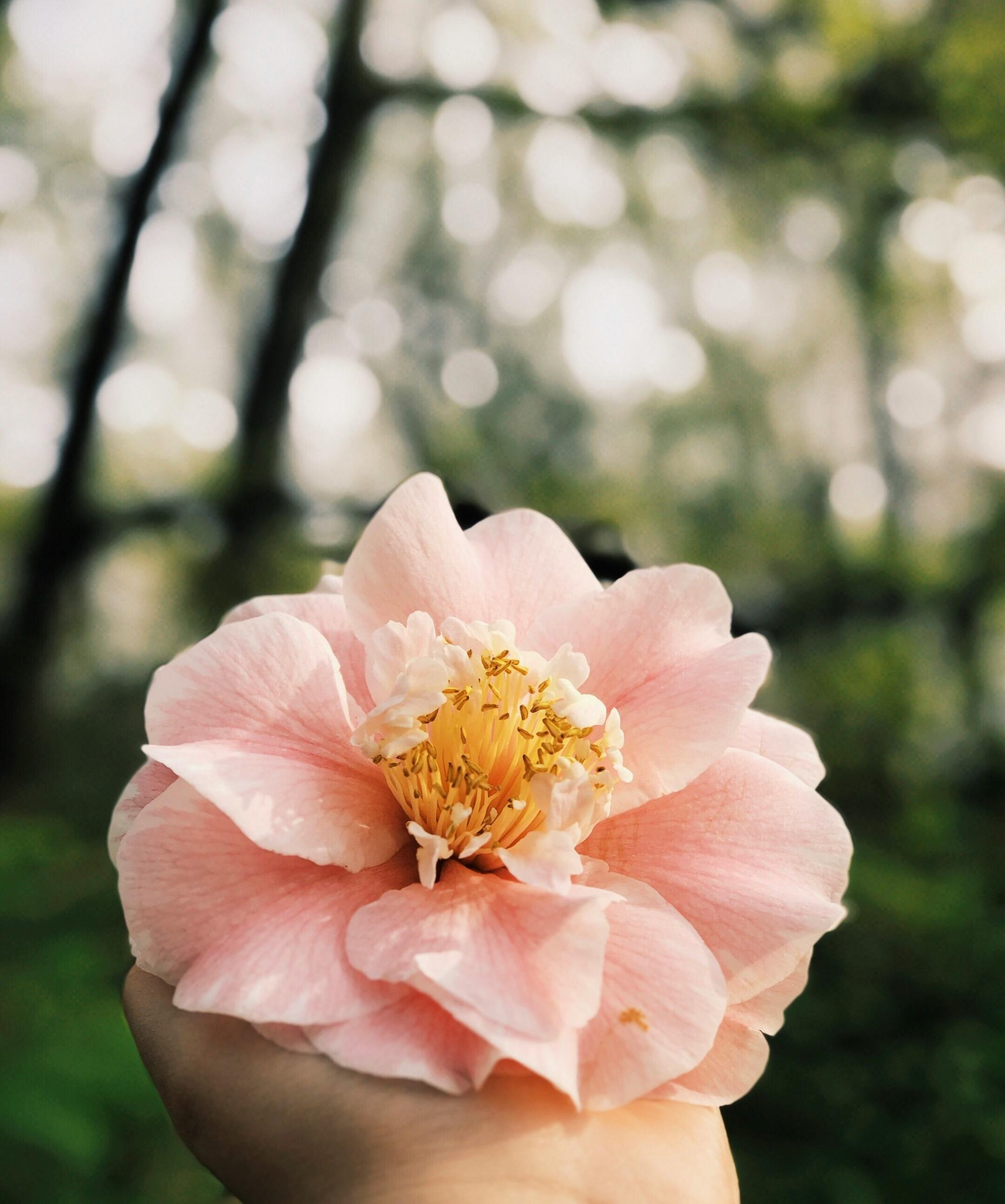
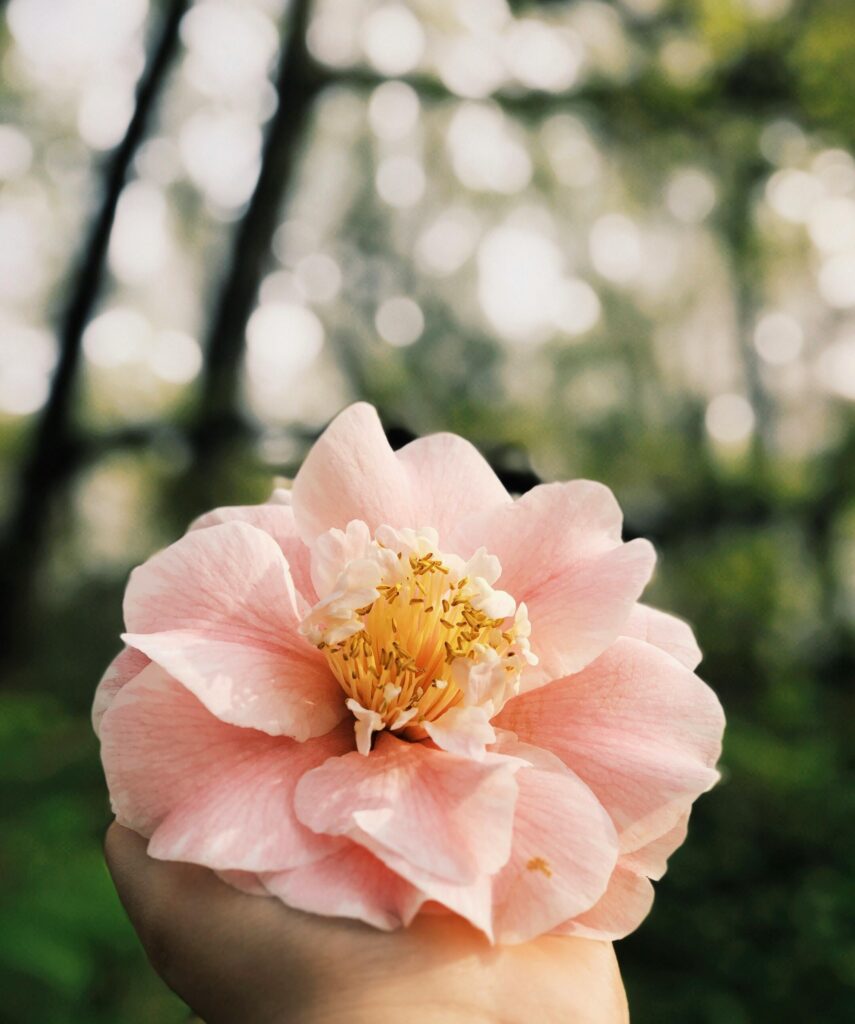
Some flowers subtly maintain their historical status, being appreciated for centuries without ever going out of style. Among them is the camellia. Camellias are frequently referred to as the “roses of winter” due to their glossy green leaves and rose-like blossoms, which bloom when many other plants are dormant. They have been cultivated for over two centuries in the South of the United States, where they are particularly cherished.
Camellias are more than just lovely flowers; they are representations of perfection, love, and admiration. They have established strong roots in American soil and culture, from historic plantations in the Carolinas to tea gardens in California. Let’s examine what makes this flower such a classic gem.
Table of Contents
A Journey from East to West
Originating in Asia, particularly China and Japan, the camellia plant has been prized for centuries there. Camellias were considered a sign of enduring love and loyalty in China. They were considered flowers of purity and divinity in Japanese culture, and they were frequently connected to samurai honor.
Gardeners in the South fell in love with camellias when they first came to the United States in the 18th century. Along with magnolias and azaleas, camellias eventually became iconic Southern garden plants, planted in the estates of wealthy landowners.
Although camellias are now grown all over the nation, warm, humid climates are the ideal growing conditions for them. Camellias are a proud part of the garden heritage of states like Alabama, Mississippi, Louisiana, and South Carolina. In fact, the camellia replaced the goldenrod as the state flower of Alabama in 1959.
The Language of These Blooms
Like many flowers, camellias carry meaning. In the United States, they’re often exchanged as symbols of admiration and affection. Here are some of their most recognized meanings:
- White Camellias – Purity, innocence, and reverence. They’re often used in weddings or memorials.
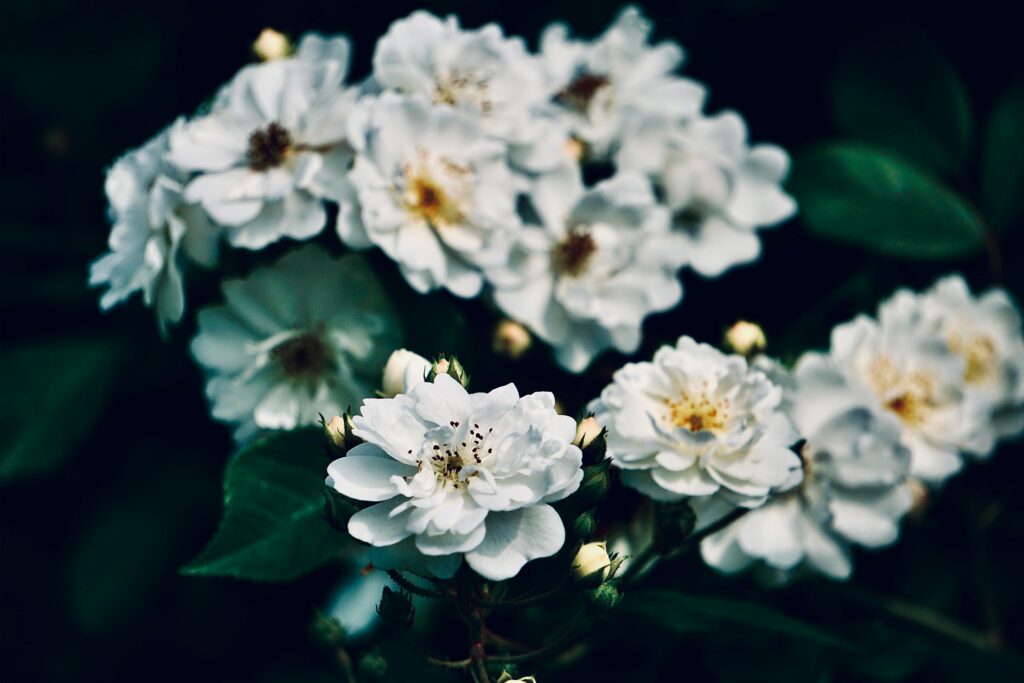
- Pink Camellias – Love, gratitude, and admiration. A popular choice for romantic gestures.
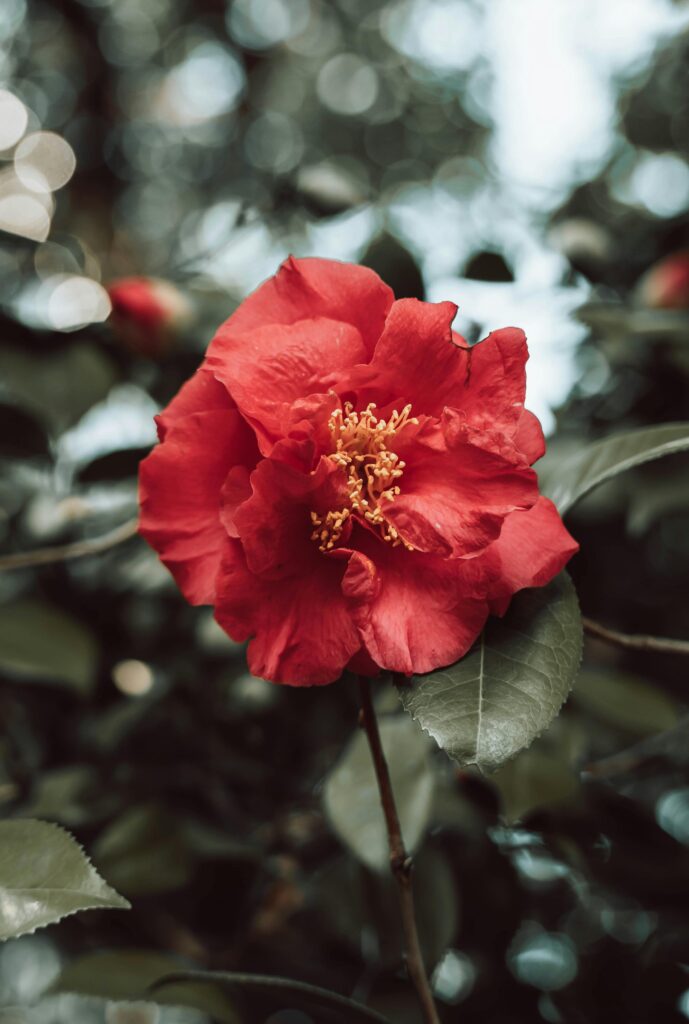
- Red Camellias – Deep passion and desire, making them the boldest expression of love.
In Victorian times, camellias were a way of expressing feelings silently. Giving someone a camellia meant you admired them deeply, a meaning that still holds today.
Their Place in American Culture
In American culture, camellias hold a special place. They are so ingrained in the culture of the South that whole festivals are held in their honor. Every winter, towns host camellia shows in which growers vie to showcase the most exquisite blooms.
Camellias are also used as elegant symbols in American literature and movies. They frequently stand for grace, gentleness, and elegant beauty. Camellias are more than just flowers to many Southerners; they are a part of their family’s history, passed down through gardens from one generation to the next.
Varieties That Thrive in the U.S.
There are over 3,000 varieties of camellias, but in the United States, the two most common species are:
- Camellia japonica – Known for its large, showy flowers that bloom in late winter to early spring. They come in shades of white, pink, red, and variegated patterns.
- Camellia sasanqua – A bit smaller and more delicate, these bloom in fall to early winter and often have a lighter fragrance. They’re also more tolerant of the sun.
Other less common but admired varieties include Camellia reticulata, famous for its huge blossoms, and hybrids created by American growers to withstand colder climates.
Why Gardeners in the U.S. Love These Flowers
Camellias are not only beautiful but also practical in gardens:
- Year-Round Interest – Their evergreen leaves keep gardens lush even in winter.
- Winter Blooms – Few plants flower in the colder months, so camellias provide rare seasonal color.
- Longevity – Camellia bushes can live for decades, even centuries, becoming heirlooms.
- Versatility – They can be grown as hedges, small trees, or container plants.
In American neighborhoods, especially in the South, camellias often grow beside porches, along walkways, or as focal points in garden beds.
Growing Them in the U.S.: A Gardener’s Guide
If you want to bring camellias into your garden, here are some tips that work well in American climates:
- Climate: Camellias grow best in USDA zones 7–9. They dislike harsh northern winters but can tolerate mild frost.
- Soil: They love slightly acidic, well-drained soil. Amending soil with peat moss or pine bark helps.
- Light: Morning sun and afternoon shade are ideal. Too much sun can scorch leaves, while too much shade reduces blooming.
- Watering: Camellias need consistent moisture but dislike soggy soil. Mulching helps keep roots cool and moist.
- Pruning: Light pruning after flowering encourages healthy growth. Avoid heavy pruning during bloom season.
With care, camellias reward American gardeners with dazzling blooms year after year.
The Tea Connection in the United States
Most people don’t realize that the tea plant, Camellia sinensis, is a close cousin of ornamental camellias. Tea is made from its leaves, and while large-scale tea production is rare in the U.S., there are a few notable tea farms.
- South Carolina – The Charleston Tea Garden is America’s only large-scale tea plantation, and it uses Camellia sinensis.
- Hawaii – Smaller tea farms produce unique blends thanks to the tropical climate.
This connection makes camellias even more special, tying them not just to beauty but also to one of the world’s most cherished drinks.
Part of Southern Heritage
Camellias are a symbol of hospitality and heritage in the United States, especially in the South. They frequently show up in historic gardens like those in Savannah, Charleston, and Mobile. Ancient camellia shrubs that are still in bloom today were preserved on many plantations, connecting visitors to the area with its past.
Camellia competitions are held by garden clubs throughout the South, and the winners are very proud of their blooms. As a component of the area’s cultural identity, these customs preserve the flower.
Wildlife and Garden Benefits
Camellias still give bees and other insects early-season nectar, but they are not as important to pollinators as sunflowers or asters. Small birds can also find refuge in their thick foliage. Camellias are used as both natural habitats and decorative plants in certain American gardens.
Design and Decoration
There are common in flower arrangements and gardens in the United States. They are perfect for cut flowers because of their long-lasting blooms, but arranging them can be a little challenging due to their thick stems. White camellias are a popular choice for winter weddings, and florists use them to spruce up bouquets and centerpieces.
Even art and fashion have been influenced by camellias. The camellia was selected as the personal emblem of the renowned French designer Coco Chanel, and its classic beauty appeals to American admirers as well.
Why They’re Timeless
They are timeless, unlike other flowers that come and go in style. They are associated with beauty, history, and quiet tenacity in American culture. They have enduring meanings of love and admiration, and they bloom during times when color is scarce.
It is a flower that unites East and West, past and present, elegance and endurance, and for American gardeners, planting one is like planting a piece of living history.
Conclusion: A Flower Worth Keeping Forever
There is more to camellias than just plants. In the US, they serve as gifts of beauty in the chilly winter months, tokens of appreciation, and representations of Southern tradition. They can survive for many generations and end up in community landscapes and family gardens.
It adds elegance wherever they bloom, whether you grow them for their glossy leaves, their eye-catching blossoms, or their rich cultural history. The camellia is the ideal choice if you’re looking for a plant that has timeless charm and significance.
It serves as a reminder that true beauty is not seasonal; rather, it persists year after year, much like stars.
Leave a Reply