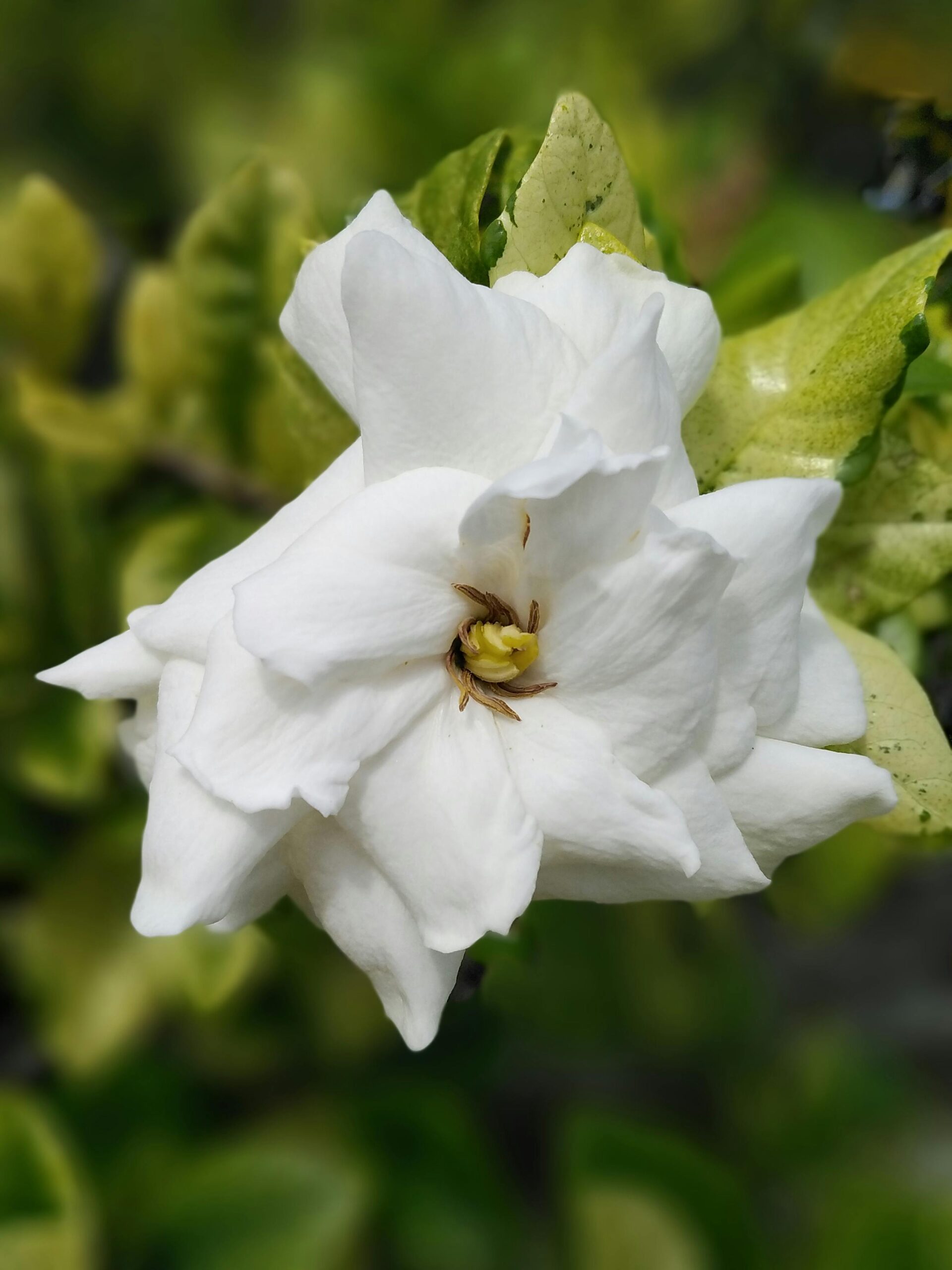
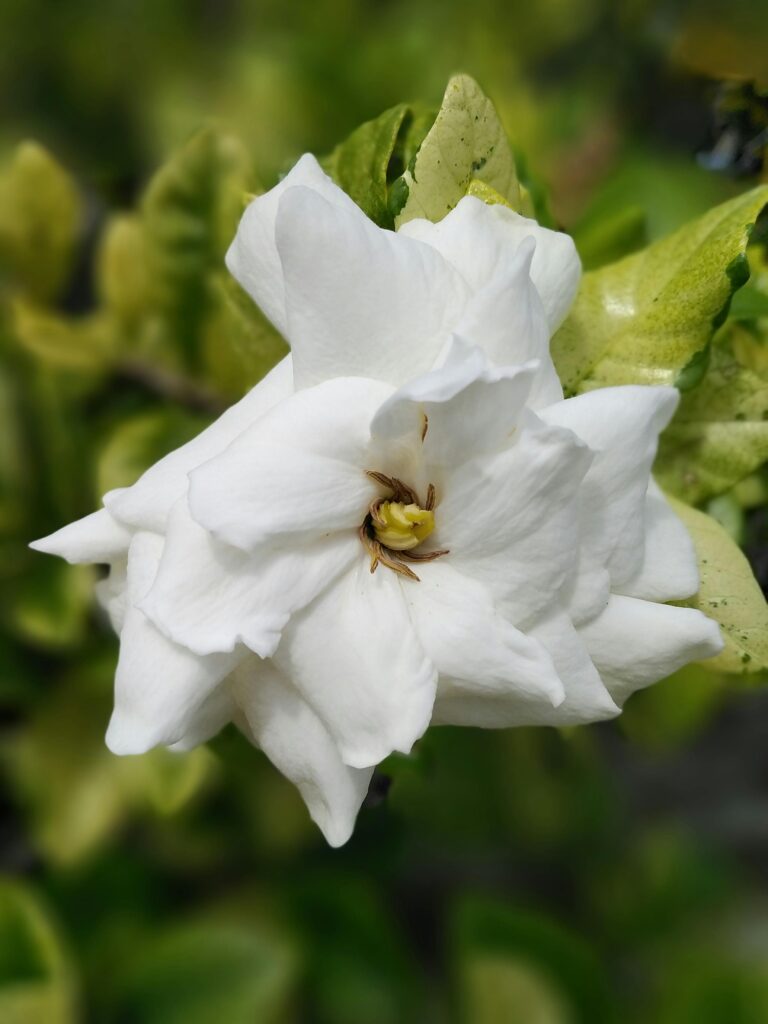
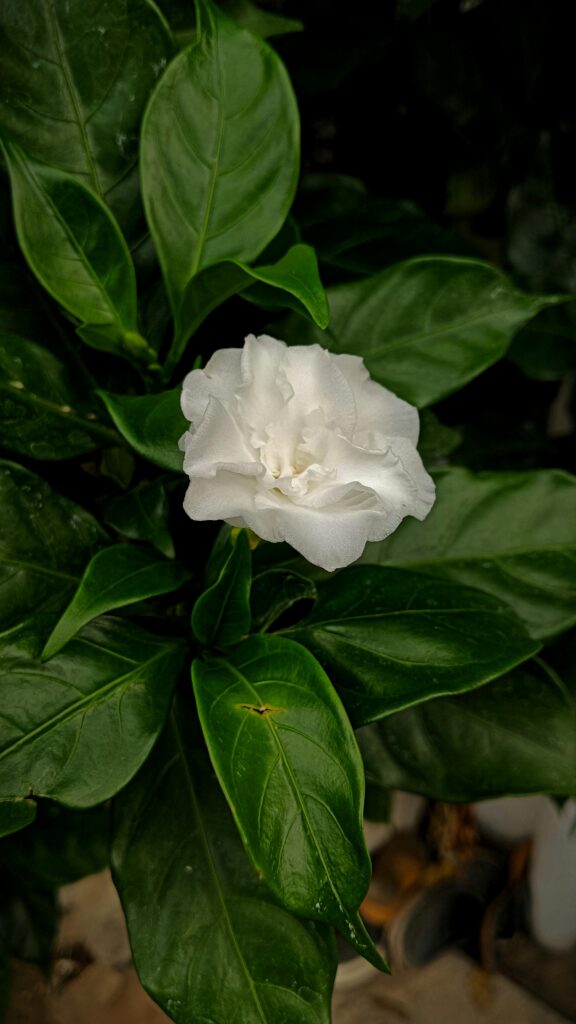
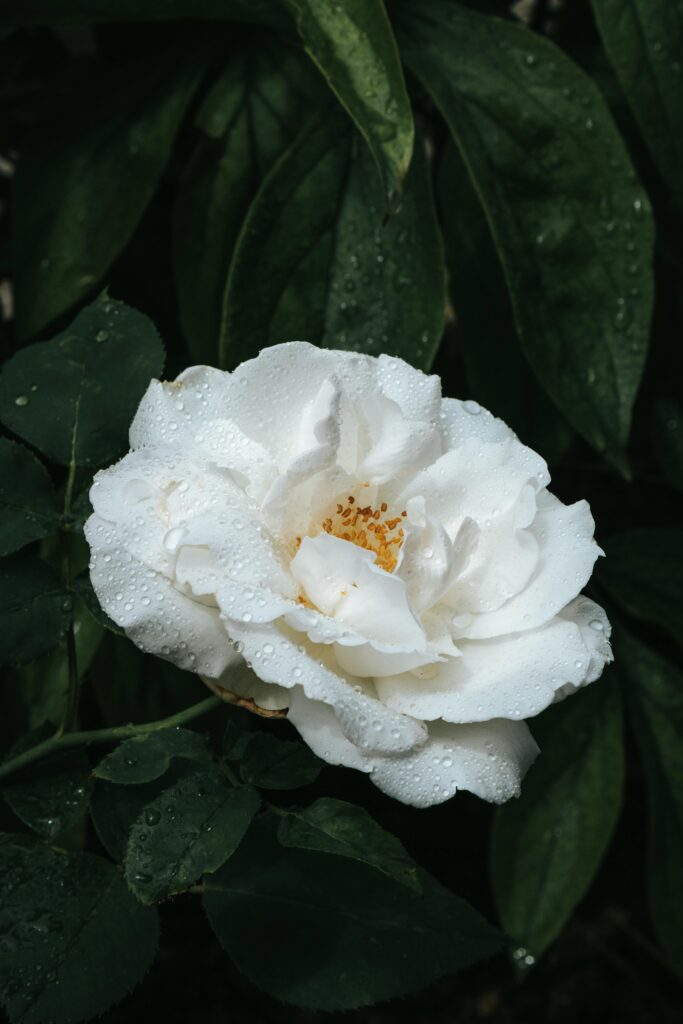
Few flowers can match the timeless charm of the gardenia. Known for its creamy white blooms and intoxicating fragrance, this plant has enchanted gardeners, poets, and flower lovers for centuries. With glossy green leaves and delicate blossoms, gardenias are often seen as symbols of purity, love, and refinement. They may be demanding to grow, but those who succeed are rewarded with one of the most breathtaking plants in the garden.
In this blog, we will explore everything about gardenias—from their history and symbolism to practical care tips, varieties, cultural significance, and why they continue to hold such a special place in homes and gardens worldwide.
Table of Contents
The History and Origins of Gardenia
It belong to the Rubiaceae family and are native to tropical and subtropical regions of Asia, Africa, and the Pacific Islands. They were first named in the 18th century by Scottish botanist Alexander Garden, after whom the genus was named.
While it had long been admired in their native regions, they became especially popular in Europe and America during the 18th and 19th centuries. Their heady scent made them a favorite in corsages and perfumes, while their pristine white flowers came to symbolize elegance and class.
Today, these are cultivated across the world, particularly in warm, humid climates. They remain one of the most beloved ornamental plants, gracing both gardens and indoor spaces.
Symbolism and Meaning of the Flower
These carry deep meanings across cultures. Its delicate appearance and rich fragrance have made it a flower of romance and mystery. Some of its common symbolic associations include:
- Purity and Innocence – White blossoms often represent virtue and grace.
- Secret Love – In the Victorian language of flowers, giving gardenias expressed admiration or a hidden affection.
- Peace and Clarity – Their calming fragrance makes them a symbol of inner peace.
- Refinement and Elegance – Because they require careful care, gardenias are linked with sophistication.
Even today, it remains a popular gift for weddings, anniversaries, and special occasions where love and sincerity are celebrated.
Types and Varieties
While the classic Gardenia jasminoides is the most well-known, there are over 200 species of gardenias. Here are some of the most popular varieties:
- Gardenia jasminoides (Cape Jasmine)
- The most common type.
- Known for its intoxicating fragrance and creamy white flowers.
- Gardenia thunbergia (White Gardenia)
- Native to South Africa.
- Produces larger flowers and grows as a shrub or small tree.
- Gardenia taitensis (Tahitian Gardenia / Tiare Flower)
- Native to the Pacific Islands.
- Famous for its role in making traditional Tahitian flower crowns and perfumes.
- Gardenia augusta ‘Radicans’ (Dwarf Gardenia)
- Compact, low-growing variety.
- Perfect for borders and ground cover.
- Gardenia nitida
- Smaller leaves and delicate flowers.
- Less common but equally fragrant.
How to Grow and Care
It has a reputation for being a little fussy, but with the right care, they can thrive beautifully.
Climate and Location
- Best suited to USDA zones 8–11.
- Prefer warm days and cool nights.
- It can be grown indoors in cooler climates.
Light
- Need at least 4–6 hours of bright, indirect sunlight.
- Too much harsh sun can scorch the leaves.
Soil
- Require well-drained, acidic soil with a pH of 5.0–6.5.
- Enrich with organic matter like peat moss or compost.
Watering
- Keep soil consistently moist but not waterlogged.
- Use rainwater or distilled water if possible, as gardenias dislike alkaline water.
Humidity
- Thrive in high humidity.
- Mist leaves or place on a pebble tray indoors to maintain moisture.
Fertilizing
- Use fertilizer formulated for acid-loving plants (like azaleas or camellias).
- Feed every 2–4 weeks during the growing season (spring to fall).
Pruning
- Prune lightly after blooming to maintain shape.
- Remove dead or yellowing leaves to encourage new growth.
Common Problems and Solutions
It can sometimes test a gardener’s patience. Here are some common issues and how to handle them:
- Yellow Leaves – Usually a sign of poor soil drainage, overwatering, or iron deficiency.
- Bud Drop – Can occur due to sudden temperature changes, overwatering, or lack of light.
- Pests – Watch out for aphids, whiteflies, and spider mites. Neem oil or insecticidal soap works well.
- Powdery Mildew – Avoid overhead watering and ensure good air circulation.
Blooming Season and Growth Cycle
These typically bloom from late spring to early summer, though in the right conditions, some varieties flower multiple times a year. Their blooms can last for several weeks, filling the air with their sweet fragrance.
Cut gardenia flowers are often used in corsages, bridal bouquets, and home décor because of their beauty and lasting scent.
Gardenia in Landscaping
These are versatile and can be used in many ways:
- Hedges and Borders – Their dense foliage makes them ideal for shaping.
- Accent Shrubs – Planted near entryways, they provide both beauty and fragrance.
- Containers – Perfect for patios and balconies, especially dwarf varieties.
- Indoor Displays – Potted gardenias bring elegance and fragrance indoors.
They pair well with azaleas, camellias, hydrangeas, and ferns in garden settings.
Growing as an Indoor Plant
Indoor gardenias need extra attention, but can reward you with stunning blooms.
Tips for indoor success:
- Place in bright, indirect light (east or south-facing windows).
- Maintain humidity with a humidifier or regular misting.
- Keep room temperature between 65–70°F (18–21°C).
- Avoid moving the plant too often, as it dislikes sudden changes.
Gardenia in Culture and Traditions
These are deeply woven into cultural and artistic traditions:
- In China, gardenias symbolize feminine beauty and grace.
- In Hawaii and Polynesia, Tahitian gardenias (tiare flowers) are worn in leis and symbolize love and friendship.
- In Victorian England, they were exchanged as tokens of secret admiration.
- In music and literature, gardenias are often associated with romance, memory, and nostalgia.
Cultural and Traditional Significance
One of the most famous uses of gardenia is in perfumery. Its rich, creamy fragrance has been a favorite note in luxury perfumes for decades. In essence is often blended with jasmine, tuberose, and ylang-ylang to create exotic floral scents.
Fun Facts
- These were a favorite of jazz singer Billie Holiday, who often wore them in her hair.
- They are members of the coffee family, Rubiaceae.
- Despite their delicate looks, gardenias are evergreen and hardy in the right climate.
- Some species are used in traditional medicine for their anti-inflammatory properties.
10 Reasons to Grow
- Heavenly fragrance that perfumes the air.
- Elegant white blooms symbolize purity and love.
- Evergreen foliage adds year-round beauty.
- Perfect for both gardens and indoor displays.
- Attracts pollinators like bees.
- Works beautifully in floral arrangements.
- Enhances patios and entryways with fragrance.
- Rich history and cultural significance.
- It can be shaped into hedges or grown in containers.
- Brings a touch of timeless elegance to any space.
Final Thoughts
It may require extra care, but the reward is well worth it. Their glossy green leaves, pure white blooms, and unforgettable fragrance make them one of the most cherished plants in the gardening world. Whether grown in the garden, placed in containers, or brought indoors, gardenias add an unmatched sense of beauty and elegance.
If you are looking for a plant that combines visual appeal, symbolic meaning, and rich fragrance, it is a perfect choice. With patience and the right care, you will be rewarded with a plant that turns every space into a fragrant haven.
Leave a Reply