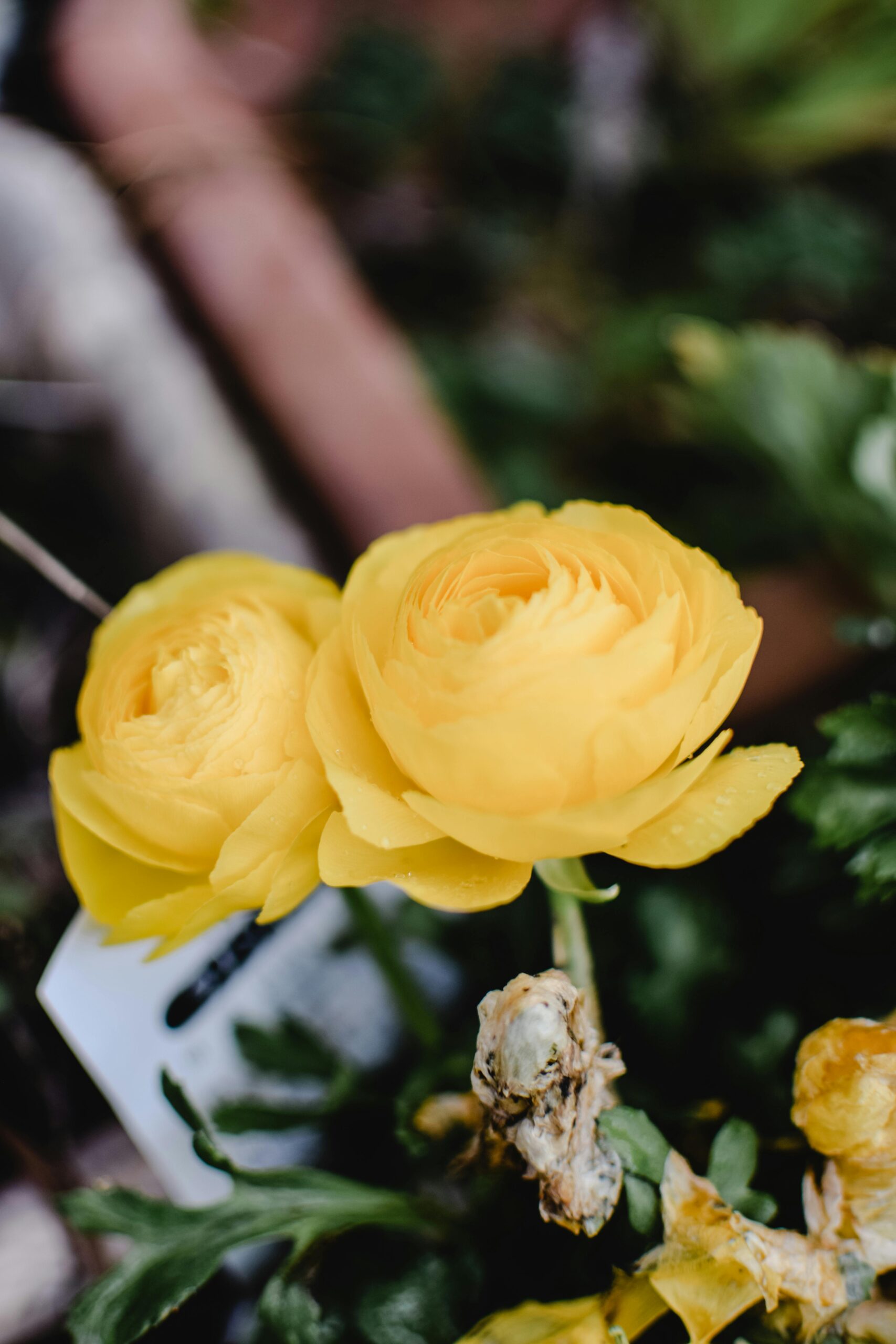
Ranunculus flowers are some of the most eye-catching blooms you can add to a garden or bouquet. With their layered petals that look almost like a rose and a wide range of colors from pastel pinks to fiery oranges, they’ve become a favorite for florists, brides, and gardeners alike. While they are delicate in appearance, these flowers are surprisingly hardy when given the right growing conditions.
In this guide, we’ll cover everything you need to know about ranunculus: from their history and symbolism to growing tips, care instructions, and their role in floral arrangements. Whether you are a gardener wanting to grow them at home or simply curious about their meaning, this is your complete resource.
Table of Contents
History and Origin of Ranunculus
The name Ranunculus comes from the Latin word for “little frog.” The plant was named this because many species naturally grew in damp areas near ponds and streams where frogs lived.
Ranunculus belongs to the Ranunculaceae family, which includes over 600 species of flowering plants. The variety most people know and love in floral arrangements is Ranunculus asiaticus, also called the Persian buttercup. These were first cultivated in the Mediterranean and Asia but have since spread worldwide.
By the Victorian era, ranunculus flowers became popular in Europe, where they were used as symbols of charm and attraction. Today, they are grown commercially across Europe, North America, and Asia, especially for the floral industry.
Appearance and Varieties of Ranunculus
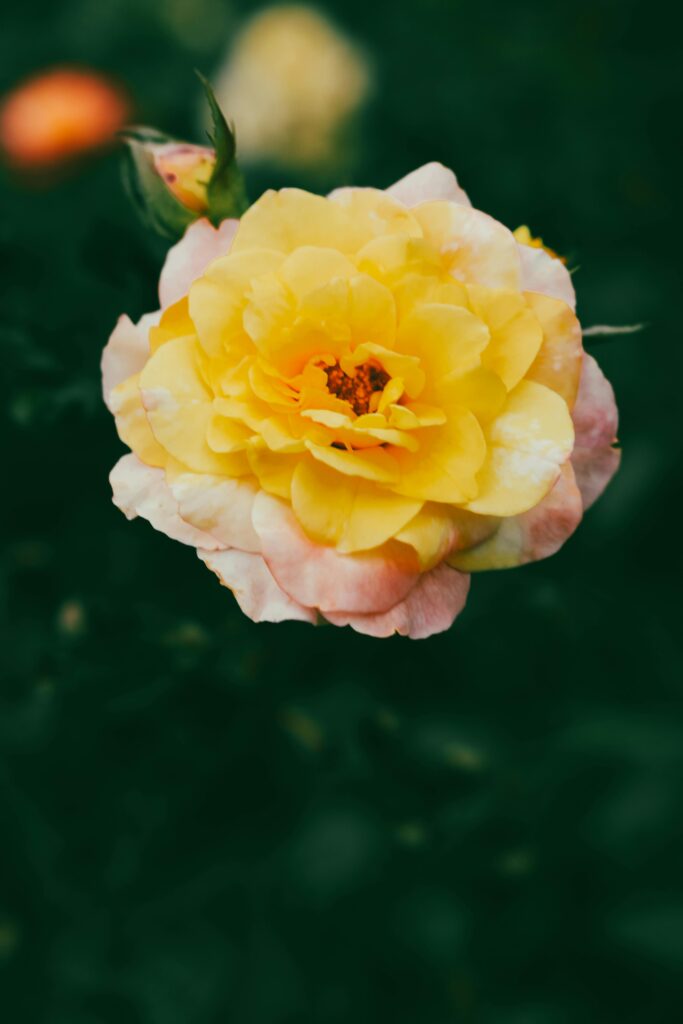
Ranunculus flowers are admired for their rose-like look, but with a lighter, airy texture. Their petals are thin and layered, creating a soft, ruffled appearance.
Common features include:
- Stems that grow between 12 and 24 inches tall.
- Flowers range from 2 to 5 inches across.
- Colors like red, orange, pink, yellow, purple, cream, and even bi-colored varieties.
Popular varieties of Ranunculus include:
- Ranunculus asiaticus: The most common variety, used in bouquets.
- Bloomingdale Mix: A dwarf type, perfect for pots and small gardens.
- Tecolote Ranunculus: Large, vibrant blooms with a long vase life.
- Picotee Ranunculus: Petals with contrasting edges, giving a striking look.
Ideal Growing Conditions for Ranunculus
Ranunculus flowers are not too difficult to grow if you give them the right environment. They thrive in mild climates with cool springs.
Soil Requirements:
- Well-drained sandy or loamy soil.
- A slightly acidic to neutral pH (6.0 to 7.0).
Light Needs:
- Full sunlight (at least 6 hours a day).
Temperature:
- Best grown in temperatures between 10°C and 21°C (50°F–70°F).
- They don’t tolerate frost well, so timing matters.
Planting and Care Guide
If you’re planting ranunculus in your garden or containers, here’s a simple step-by-step guide:
1. Preparing the Tubers
Ranunculus flowers are grown from tubers that look like small claws. Before planting, soak them in water for 4–6 hours to rehydrate.
2. Planting
- Plant tubers in fall (in mild climates) or early spring (in colder regions).
- Place them 2 inches deep in the soil with the claw side down.
- Space each tuber 4–6 inches apart.
3. Watering
- Water lightly after planting.
- Keep soil moist but not soggy during the growing season.
4. Fertilizing
- Use a balanced liquid fertilizer every 2–3 weeks during growth.
- Avoid high-nitrogen fertilizers, which can cause more leaves than flowers.
5. Blooming Season
- Blossoms usually appear in late spring and last for 6–7 weeks.
- Deadhead spent flowers to encourage more blooms.
6. After Blooming
- Once the foliage turns yellow, reduce watering.
- Dig up tubers, dry them, and store them in a cool, dry place for replanting next season.
Symbolism and Meaning of Ranunculus
Like many flowers, ranunculus carries deep symbolic meanings.
- Charm & Attraction: In the Victorian language of flowers, gifting ranunculus meant “I am dazzled by your charm.”
- Romance & Love: Because of their rose-like beauty, they symbolize love and admiration.
- Positivity: Brightly colored varieties are seen as symbols of joy and good fortune.
They’re especially popular in wedding bouquets because they symbolize radiant charm, making them perfect for romantic occasions.
Uses of Ranunculus in Bouquets, Weddings, and Decor
Ranunculus flowers are a florist’s dream because of their:
- Long vase life (up to 10 days).
- Wide range of colors.
- Soft, romantic look.
Common Uses:
- Wedding bouquets are paired with roses, peonies, or eucalyptus.
- Table centerpieces at events.
- Seasonal spring arrangements.
- Potted plants for patios or home decor.
Their versatility has made them a top choice for spring weddings, symbolizing elegance and romance.
Ranunculus in Different Cultures
Ranunculus flowers has been admired worldwide:
- Middle Eastern Culture: The Persian ranunculus was historically cherished for its beauty and poetic associations.
- Victorian England: Used in “floriography” to express admiration.
- Modern Western Culture: A trendy flower for spring weddings and celebrations.
Common Problems and Solutions
While relatively easy to care for, ranunculus can face a few issues:
- Root Rot – Caused by overwatering or poor drainage.
- Solution: Ensure well-draining soil and avoid waterlogging.
- Powdery Mildew – White, powder-like spots on leaves.
- Solution: Improve air circulation and treat with a fungicide.
- Aphids or Spider Mites – Pests that damage leaves and buds.
- Solution: Use insecticidal soap or neem oil spray.
- Poor Flowering – Too much nitrogen or not enough sun.
- Solution: Balance fertilizer and ensure full sunlight.
Tips for Gardeners and Florists
- Plant in groups for a fuller, more visually appealing display.
- Stagger planting every two weeks for a longer blooming season.
- Mix ranunculus with tulips, daffodils, or hyacinths for colorful spring gardens.
- When cutting for vases, harvest when buds are half open for the longest vase life.
FAQs About Ranunculus Flowers
1. How long do ranunculus flowers last?
Cut ranunculus flowers can last 7–10 days in a vase with fresh water.
2. Can ranunculus grow in pots?
Yes, they grow well in containers as long as there’s good drainage.
3. Are ranunculus flowers annual or perennial?
They are technically perennials, but in colder climates, they are treated as annuals because tubers don’t survive harsh winters.
4. When do ranunculus bloom?
They bloom in late spring and early summer, depending on planting time and climate.
5. Are ranunculus flowers poisonous?
Yes, like many members of the buttercup family, they are toxic if ingested, so keep away from pets and children.
Conclusion
Ranunculus flowers are a true gem in the floral world. With their rose-like blooms, soft layered petals, and vibrant colors, they bring elegance and charm to any garden or arrangement. They are not only a favorite among florists and brides but also a rewarding flower for home gardeners.
Whether you are planting them in your backyard, adding them to wedding bouquets, or simply enjoying their symbolism, ranunculus has something magical to offer. With proper care and attention, you can enjoy these blooms year after year.
Leave a Reply