Few plants bring as much life to a garden as Bee Balm (Monarda). With its vibrant blooms, sweet fragrance, and irresistible charm for pollinators, Bee Balm has earned a permanent spot in gardens across North America and beyond. Whether you know it as Monarda, Oswego Tea, or Bergamot, this versatile perennial is more than just a pretty flower. It carries history, herbal tradition, and ecological value, all wrapped up in fiery shades of red, pink, purple, and white.
In this detailed guide, we’ll explore everything about the Bee Balm plant — from its history and symbolism to how to grow it successfully, its medicinal and culinary uses, and why it deserves a place in every pollinator-friendly garden.
Table of Contents
Origins and History of Bee Balm Plant
Bee Balm is native to North America, where it has been growing wild in meadows, riverbanks, and woodland edges for centuries. Indigenous tribes, including the Oswego people in New York, used Bee Balm leaves to make a fragrant tea long before European settlers arrived. This earned it the common name Oswego Tea.
The plant became especially popular in the 18th century during the Boston Tea Party era, when colonists sought alternatives to imported tea. Bee Balm leaves, with their slightly citrusy, mint-like flavor, made an excellent substitute.
The name “Bergamot” is sometimes used for Bee Balm, though it can be confused with the citrus fruit Citrus bergamia, which flavors Earl Grey tea. The shared name comes from the similar fragrance between the flower’s leaves and the bergamot orange peel.
Why Gardeners Love Bee Balm Plant
Bee Balm is more than just a historical tea plant. Gardeners love it for several reasons:
- Pollinator Magnet: Its nectar-rich flowers draw bees, butterflies, and hummingbirds like few other plants can.
- Striking Blooms: The shaggy, tufted flowers resemble fireworks, creating bold color in the garden.
- Fragrance: The foliage has a pleasant aroma, similar to mint and oregano, and can be used fresh or dried.
- Versatility: Bee Balm works well in borders, pollinator gardens, cottage gardens, and even containers.
- Resilience: It’s hardy, perennial, and relatively easy to grow with proper care.
Types of Bee Balm Plant
Several species and cultivars of Monarda exist, each with unique traits. Here are the most popular ones for gardeners:
1. Monarda didyma (Scarlet Bee Balm Plant)
- Known for its fiery red blooms.
- Attracts hummingbirds especially well.
- Traditional choice for Oswego Tea.
2. Monarda fistulosa (Wild Bergamot Bee Balm Plant)
- Native to prairies and meadows.
- Pale lavender or purple flowers.
- Widely used in herbal medicine.
3. Monarda punctata (Spotted Bee Balm Plant)
- Features pink bracts with yellow flowers speckled with purple.
- More drought-tolerant than other species.
4. Monarda citriodora (Lemon Bee Balm Plant)
- Leaves carry a strong lemon scent.
- Compact size, good for smaller gardens.
Popular Cultivars
- ‘Jacob Cline’ – mildew-resistant with vibrant scarlet blooms.
- ‘Raspberry Wine’ – rich wine-colored flowers.
- ‘Purple Rooster’ – strong purple flowers, tall and sturdy.
- ‘Pardon My Pink’ – compact variety perfect for small spaces.
Growing Bee Balm: Step-by-Step Guide
If you want to grow Bee Balm successfully, a little planning goes a long way. Here’s a detailed care guide:
1. Planting Location
- Prefers full sun (6–8 hours daily) but can tolerate partial shade.
- Best grown in moist, rich, well-drained soil.
2. Soil Preparation
- Amend heavy clay soils with compost to improve drainage.
- Keep soil evenly moist but not soggy.
3. Planting Bee Balm
- Plant in spring or fall.
- Space plants 18–24 inches apart to allow airflow and reduce powdery mildew risk.
4. Watering
- Keep soil moist, especially during hot summers.
- Mulch around plants to conserve moisture.
5. Fertilization
- Generally, it doesn’t require heavy feeding.
- A light compost application in spring is sufficient.
6. Pruning and Deadheading
- Remove spent flowers to encourage more blooms.
- In late fall, cut stems back to ground level.
7. Dividing
- Bee Balm spreads by rhizomes and can become crowded.
- Divide plants every 2–3 years to maintain vigor.
8. Pest and Disease Management
- Susceptible to powdery mildew, especially in humid conditions.
- Ensure good airflow and choose resistant cultivars.
- Aphids and spider mites may appear but rarely cause serious damage.
Bee Balm Plant Seasonal Care
- Spring: Plant new divisions, apply compost, and monitor early growth.
- Summer: Water regularly, deadhead flowers, watch for mildew.
- Fall: Cut stems down, divide older clumps if needed.
- Winter: Mulch lightly in cold climates.
Bee Balm Plant Companions
Bee Balm pairs beautifully with many other garden plants:
- Echinacea (Coneflowers) – together, they create a pollinator paradise.
- Black-eyed Susans – offer contrasting yellow against red or purple Bee Balm.
- Phlox – provides complementary blooms in similar seasons.
- Herbs like thyme, oregano, and lavender – add fragrance diversity.
Bee Balm Plant Uses
Culinary Uses
- Leaves can be brewed into Oswego Tea, with a minty, citrus flavor.
- Petals are edible and make colorful garnishes for salads and desserts.
- Leaves can flavor meats, stews, or herbal vinegars.
Medicinal Uses (Traditional)
- Used by Native Americans for treating colds, sore throats, and digestive issues.
- Contains thymol, an antiseptic also found in thyme.
- Bee Balm tea is soothing for respiratory conditions.
Note: Always consult a healthcare professional before using plants medicinally.
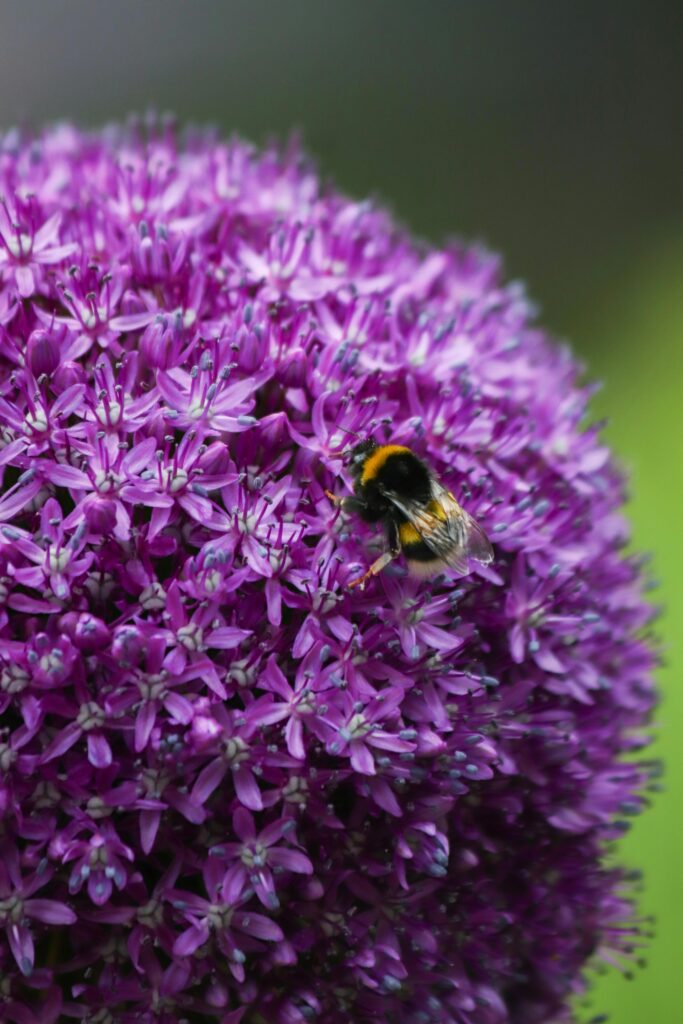
Bee Balm Plant and Wildlife
Bee Balm is an ecological gem in the garden:
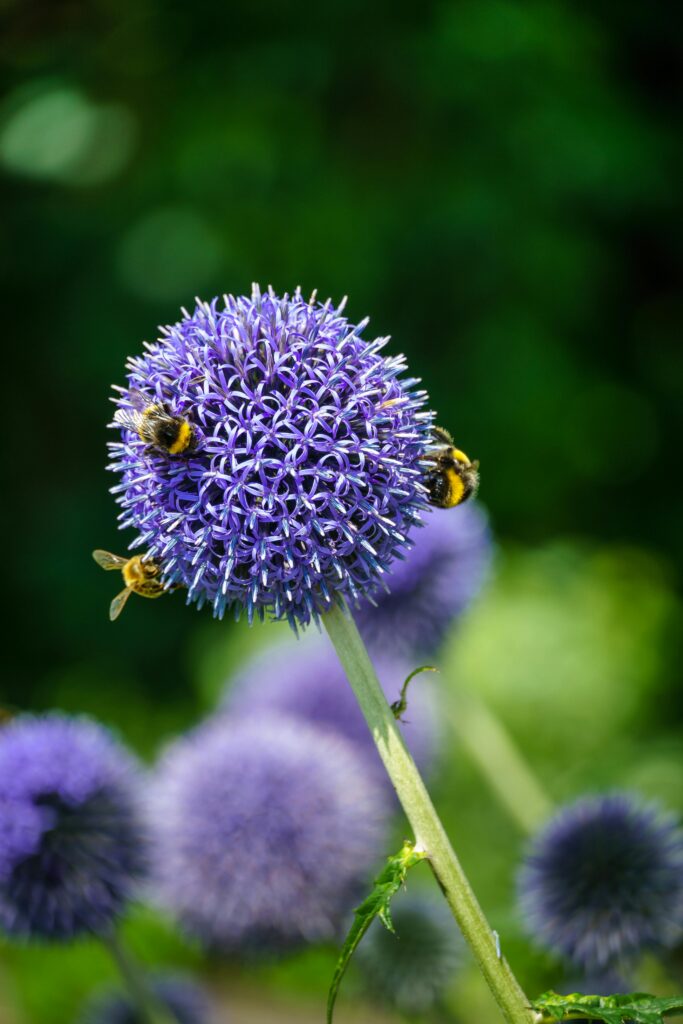
- Bees: True to its name, it’s a nectar favorite.
- Butterflies: Monarchs and swallowtails love it.
- Hummingbirds: Especially drawn to the red-flowered varieties.
- Biodiversity: Encourages a healthy pollinator population, supporting food production.
Bee Balm Plant in Landscaping
Bee Balm works in many landscape designs:
- Cottage Gardens – blends with classic perennials.
- Pollinator Gardens – essential for attracting beneficial insects.
- Borders – adds bold mid-height color.
- Naturalized Areas – thrives with wildflowers in meadows.
Bee Balm Plant Problems and Solutions
- Powdery Mildew: Improve air circulation, avoid overhead watering, and grow resistant cultivars like ‘Jacob Cline’.
- Overcrowding: Divide clumps regularly.
- Weak Growth: Improve soil with organic matter and avoid excessive shade.
Bee Balm Plant Facts
- It was one of the first plants used by colonists as a tea substitute.
- Its vibrant flowers are sometimes compared to fireworks.
- The leaves release more fragrance when crushed, making them a natural mosquito repellent.
- Thomas Jefferson grew Bee Balm in his Monticello gardens.
FAQs About Bee Balm
1. Is Bee Balm safe for pets?
Yes, it is considered non-toxic to dogs and cats.
2. How long does Bee Balm bloom?
Typically from mid-summer to early fall (6–8 weeks).
3. Can I grow Bee Balm in pots?
Yes, smaller varieties like ‘Pardon My Pink’ do well in containers.
4. Does Bee Balm spread aggressively?
It can spread by rhizomes, but division controls it.
5. Is Bee Balm deer-resistant?
Yes, its strong fragrance deters deer and rabbits.
Conclusion
The Bee Balm plant is more than just an ornamental flower. It’s a plant of history, healing, and harmony with nature. By growing Monarda, you’re not only adding beauty to your garden but also supporting bees, butterflies, and hummingbirds. With its fiery blooms and soothing tea, Bee Balm truly bridges the gap between utility and beauty.
Whether you’re a beginner gardener or an experienced herbalist, Bee Balm is a plant that rewards you in every season.
Leave a Reply