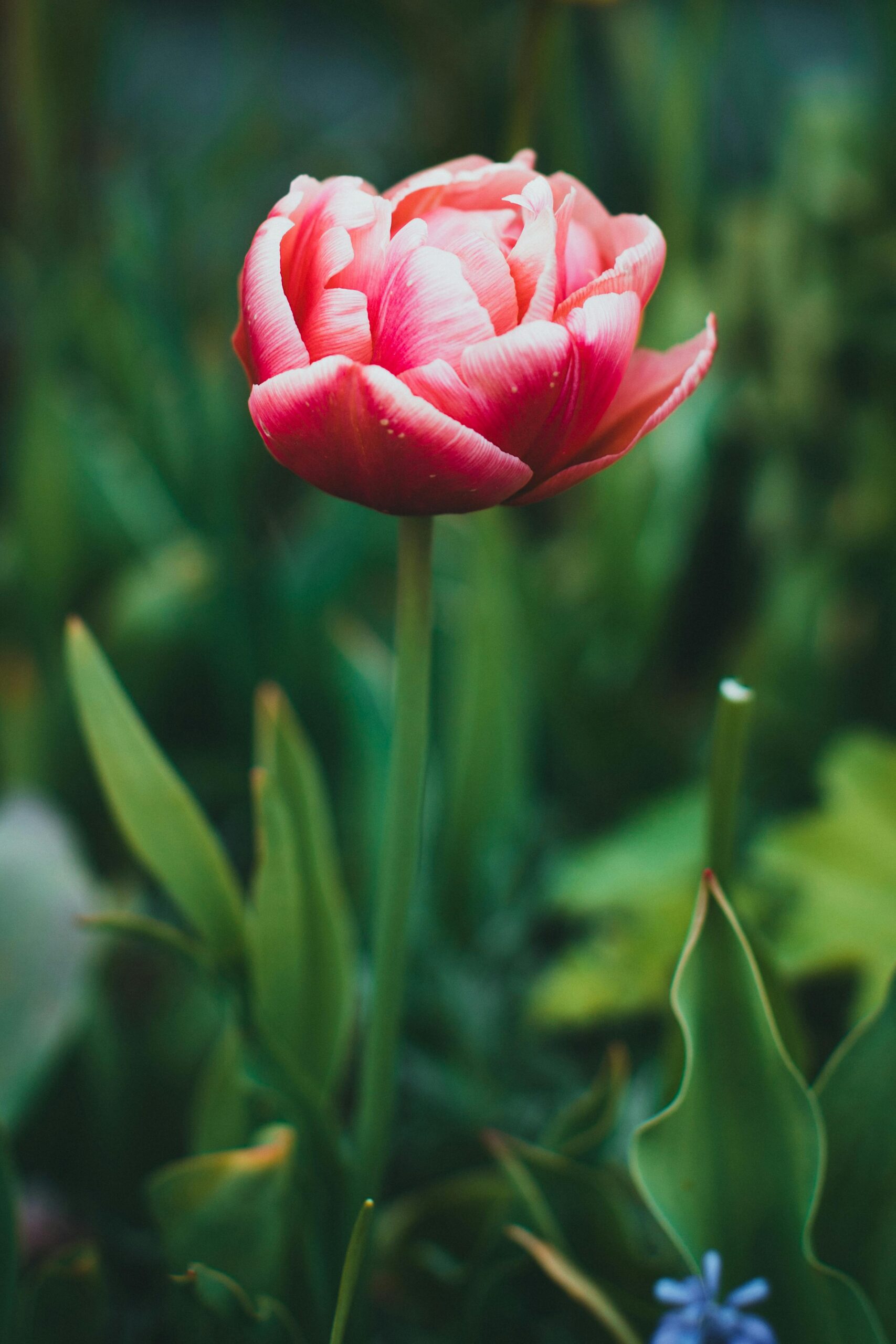
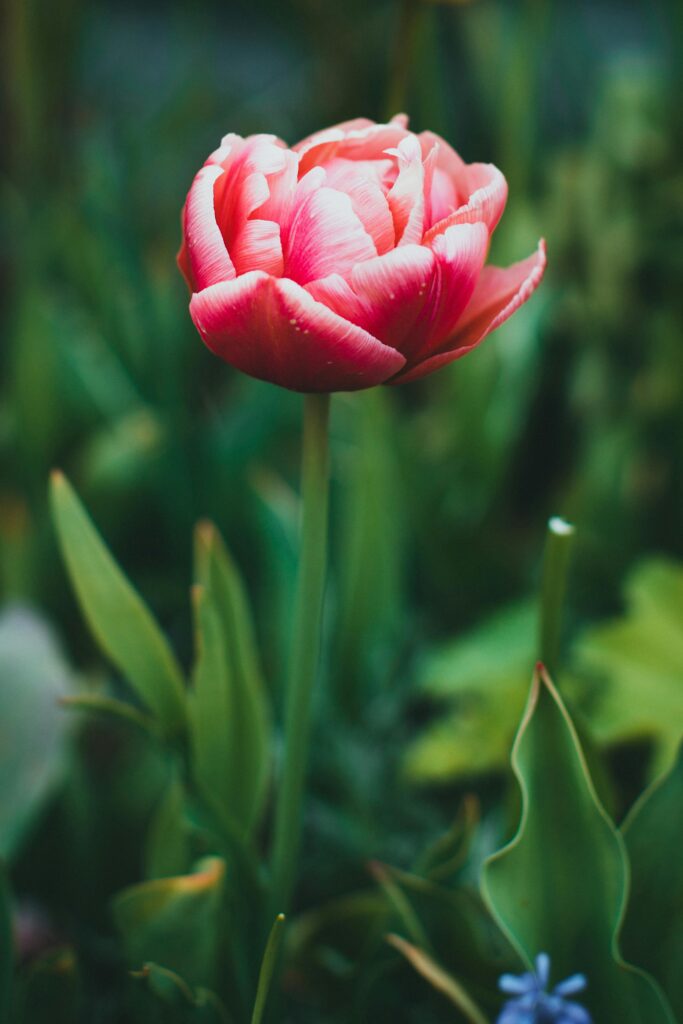
Tulip flower are among the most recognizable flowers worldwide. Renowned for their graceful, cup-shaped blossoms and vibrant spectrum of colors, tulips have captivated admirers for centuries. They feature prominently in art, poetry, and festivals, and are cultivated in vast numbers each year. Whether displayed in a vase, a garden, or an expansive field, tulips add instant charm and refreshment.
This blog delves deeply into the tulip flower, examining its history, cultural significance, symbolism, varieties, cultivation tips, and more. By the end, you will not only appreciate the beauty of tulips but also understand why they are among the most beloved flowers worldwide.
Table of Contents
History of Tulip Flower
The tulip’s history traces a remarkable journey spanning centuries.
Origin in Central Asia
Tulips originated in the rugged mountains of Central Asia, particularly around Kazakhstan, Kyrgyzstan, and Uzbekistan. They grew wild in these regions, thriving through harsh winters and scorching summers. Locals admired their vivid, striking petals long before tulips appeared in Europe.
Arrival in the Ottoman Empire
By the 10th century, tulips had reached Turkey, where they became a symbol of beauty and wealth in the Ottoman Empire. The word “tulip” comes from the Turkish word tülbent, meaning turban, because the flower resembles a turban’s shape. During the Ottoman period, tulips were grown in palace gardens, and tulip motifs decorated art, fabrics, and architecture.
Tulip Flower Mania in Europe
Tulips reached Europe in the 16th century, carried by traders and explorers. By the 1600s, they became a sensation in the Netherlands. The Dutch fell in love with tulips so deeply that they sparked the first recorded economic bubble in history, known as “Tulip Mania.” At its peak, a single tulip bulb was worth more than a house. Though the craze eventually collapsed, it established tulips as a symbol of wealth and beauty in Europe.
Today, the Netherlands remains the world’s largest producer of tulips, growing billions of bulbs each year and exporting them globally.
Symbolism of Tulip Flower
Tulips carry rich meanings across cultures, with each color symbolizing something unique.
- Red Tulips – Symbol of true love and passion.
- Yellow Tulips – Represent cheerfulness, happiness, and sunshine.
- White Tulips – Stand for purity, forgiveness, and peace.
- Purple Tulips – Associated with royalty, elegance, and admiration.
- Pink Tulips – Convey affection, care, and good wishes.
- Black Tulips – Rare and mysterious, symbolizing power and strength.
In general, tulips represent renewal, spring, and the fleeting nature of life, as their blooms last only a few weeks.
Tulip Flower in Culture and Art
Tulips have appeared in paintings, poems, and traditions across centuries.
- Ottoman Influence: Tulips were a dominant motif in Ottoman miniatures, ceramics, and textiles.
- Dutch Golden Age: Artists like Rembrandt and Jan Davidsz de Heem painted tulips to showcase their beauty and symbolize wealth.
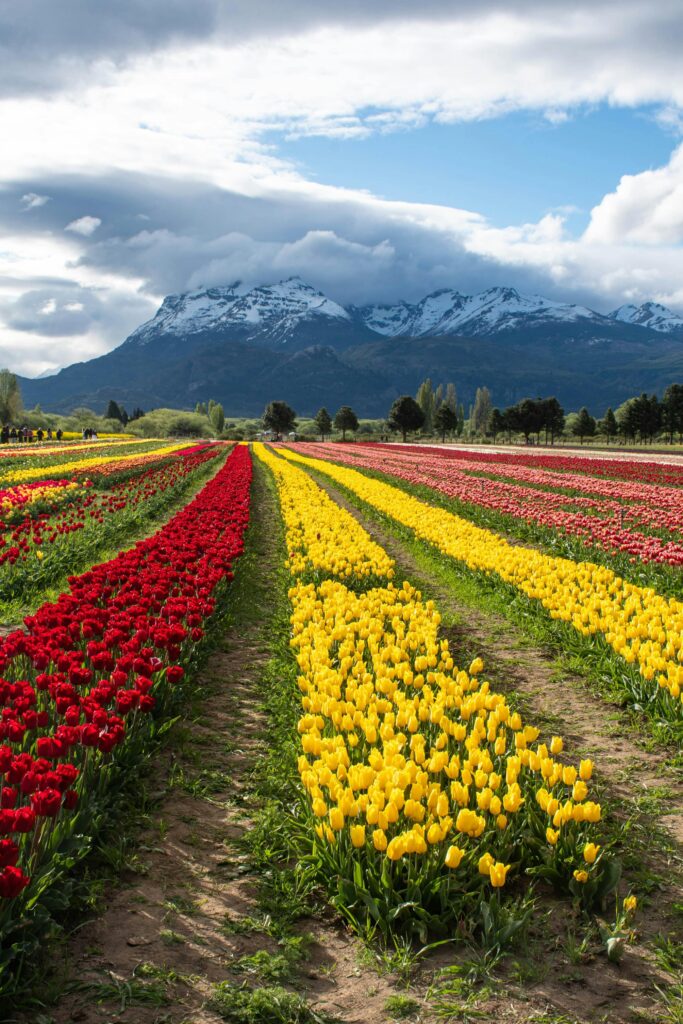
- Festivals: The Keukenhof Gardens in the Netherlands, often called the “Garden of Europe,” is the largest flower garden in the world and features over seven million tulips each spring.
Types of Tulip Flower
Tulips are not just a single flower type; there are over 3,000 registered varieties, divided into 15 major groups. Here are some of the most popular:
1. Single Early Tulips
These bloom in early spring and have simple, cup-shaped flowers. They are short and sturdy, making them perfect for windy areas.
2. Double Early Tulips
Known for their peony-like petals, these have extra layers that give them a fuller look.
3. Triumph Tulips
Among the most popular, Triumph tulips are mid-season bloomers with a wide range of colors. They are often used in bouquets and floral displays.
4. Parrot Tulips
These have ruffled and feather-like petals with striking multicolored patterns.
5. Lily-Flowered Tulips
Recognized by their pointed petals that flare out, giving them a star-like shape.
6. Darwin Hybrid Tulips
Tall, strong, and long-lasting, Darwin tulips are ideal for gardens because they return reliably each year.
7. Viridiflora Tulips
Unique for their green streaks on the petals, adding a dramatic effect.
8. Rembrandt Tulips
Famous for their bold streaks and flames of color, named after the Dutch painter.
9. Double Late Tulips
Also called “peony tulips,” they have multiple petals and bloom at the end of spring.
Growing Tulip Flower: A Practical Guide
Best Climate for Tulips
Tulips thrive in climates with cold winters and cool springs. They require a dormant period with low temperatures to bloom properly.
Planting Tulip Bulbs
- When to Plant: In most regions, tulip bulbs are planted in autumn (September to November).
- Soil Requirements: Well-drained soil is essential to prevent bulb rot.
- Depth and Spacing: Plant bulbs 6–8 inches deep and about 4 inches apart.
Caring for Tulips
- Watering: Tulips don’t like soggy soil. Water after planting, and then only when the soil is dry.
- Sunlight: They need full sun for at least 6 hours daily.
- Fertilizing: Use a balanced bulb fertilizer in fall and spring.
After Blooming Care
Once the flowers fade, cut off the flower heads but leave the leaves until they turn yellow. This allows the plant to store energy for the next season.
Tulip Flower in Modern Times
Today, tulips are not just garden flowers but an important part of the global floral industry.
- Cut Flowers: Tulips are one of the most sold flowers in flower shops worldwide.
- Weddings: They are a popular choice for bridal bouquets and decorations.
- Festivals: Countries like the Netherlands, Canada, and the USA host tulip festivals every spring, attracting thousands of visitors.
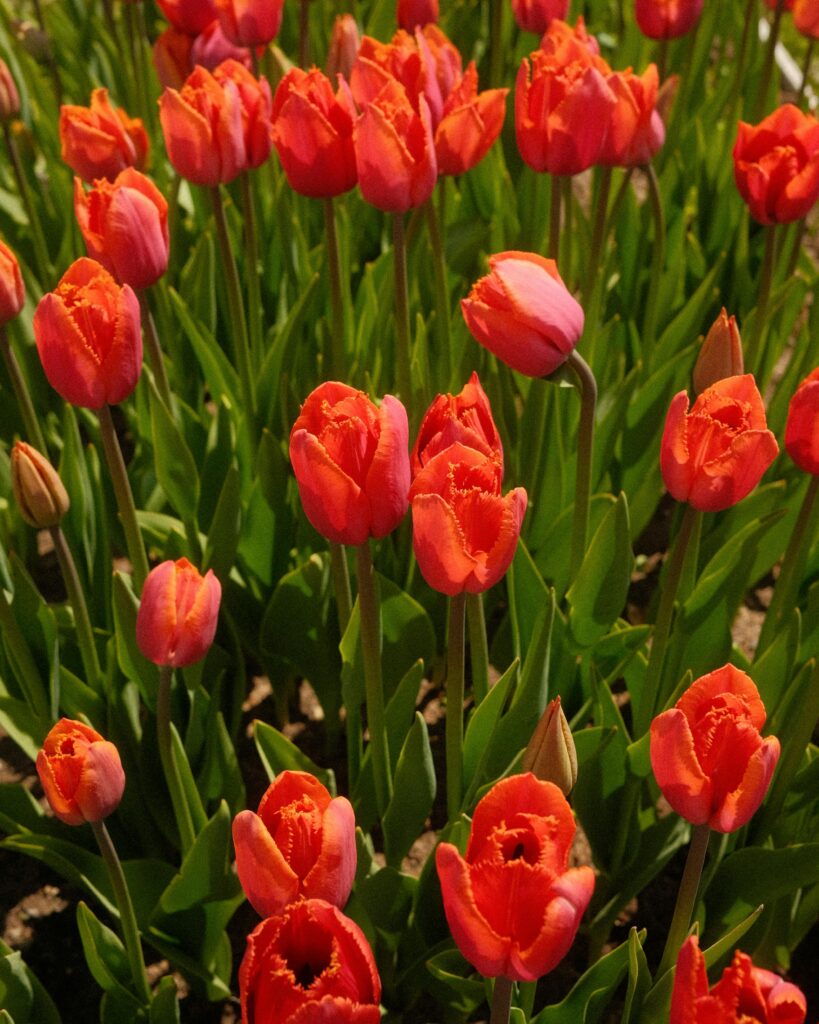
Interesting Facts About Tulip Flower
- There are more than 3,000 tulip varieties worldwide.
- Tulips are edible, though they were mainly consumed during World War II when food was scarce.
- The Netherlands exports over 2 billion tulip bulbs annually.
- Tulips were once worth more than gold during Tulip Mania.
- Some tulip varieties have a fragrance, though most are unscented.
Conclusion
Tulips are more than just flowers; they are a blend of history, art, culture, and beauty. From the wild mountains of Central Asia to the lavish gardens of the Netherlands, tulips have traveled across centuries to become a universal symbol of love, joy, and elegance.
Whether you grow them in your garden, admire them in a bouquet, or witness them in endless fields during spring, tulips never fail to inspire awe. They remind us of life’s fleeting beauty, the joy of renewal, and the timeless appeal of nature.
Leave a Reply