Honeysuckle is one of those plants that captures the heart without trying too hard. Its sweet fragrance, delicate blossoms, and ability to climb gracefully over fences and trellises make it a classic favorite in gardens around the world. For centuries, this plant has been celebrated not just for its beauty but also for its symbolism, medicinal uses, and role in attracting wildlife.
In this blog, we’ll take a deep dive into honeysuckle—exploring its history, types, care tips, symbolic meanings, and why it deserves a spot in your home garden. By the end, you’ll see why gardeners from cottage-style enthusiasts to modern landscapers can’t resist this charming climber.
Table of Contents
A Brief Introduction to Honeysuckle Plant
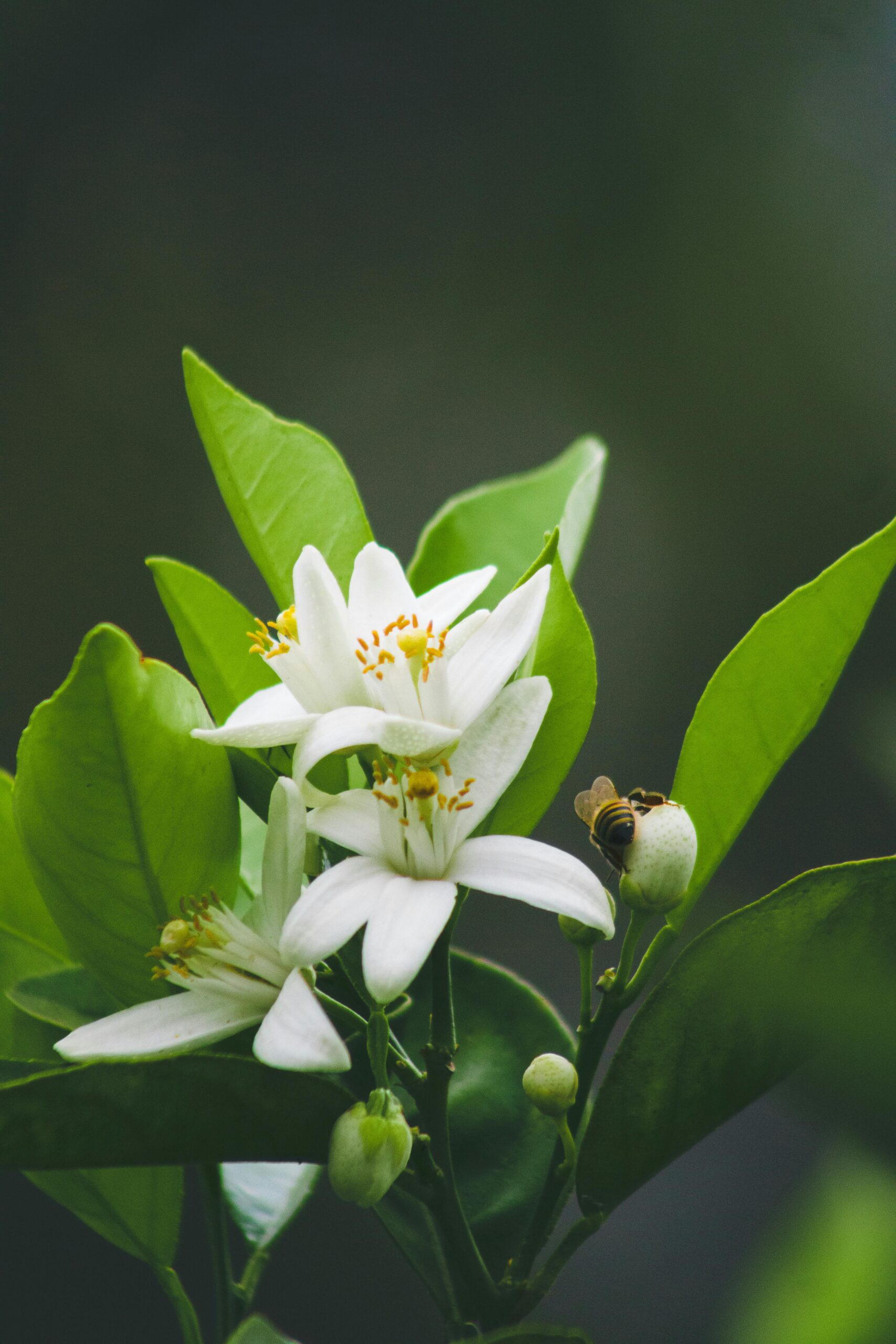
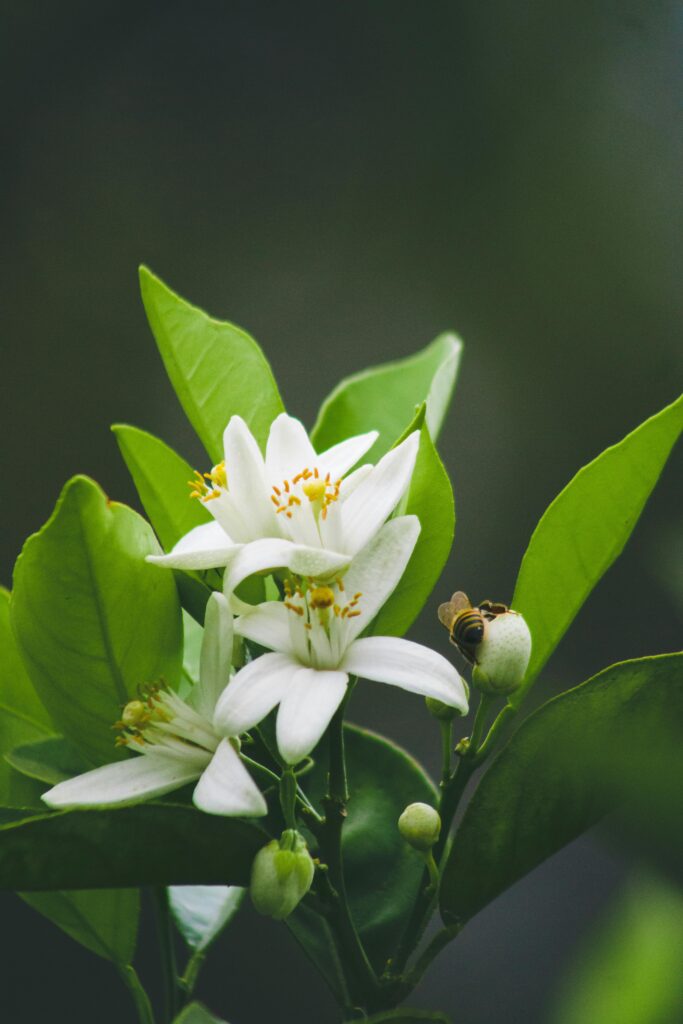
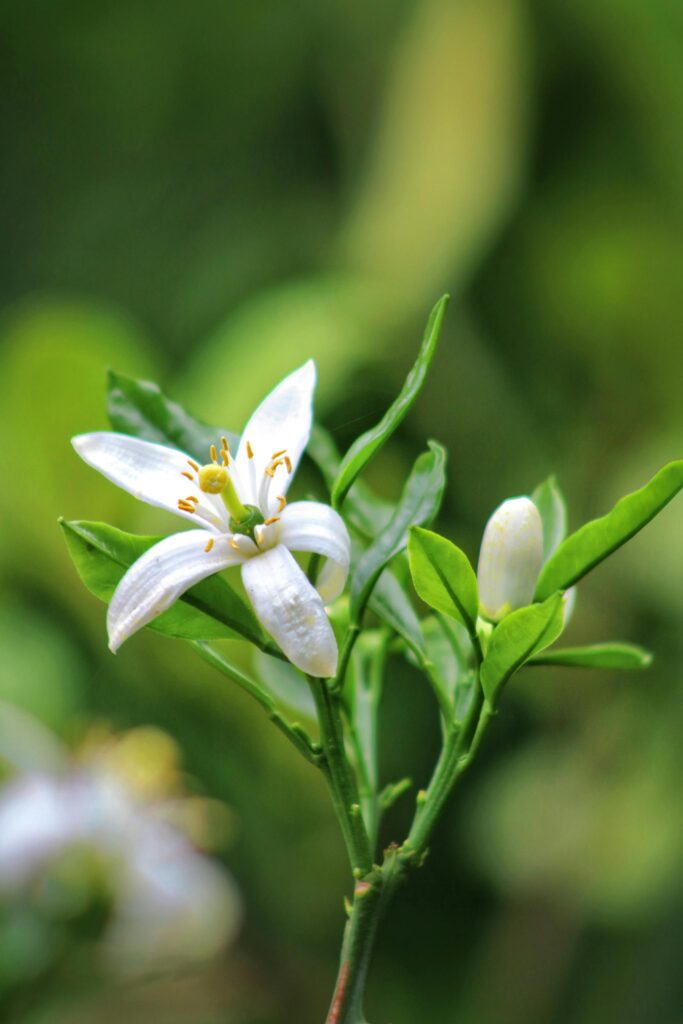
Honeysuckle belongs to the genus Lonicera, which includes more than 180 species. These plants can be either deciduous or evergreen, and they come in both climbing and shrub forms. The most famous feature of honeysuckle is its fragrant tubular flowers, which often bloom in pairs. They can appear in shades of cream, yellow, pink, orange, or red, depending on the species.
When in full bloom, honeysuckle fills the air with a sweet, nectar-like scent that tends to be strongest in the evening. This fragrance attracts bees, butterflies, and especially hummingbirds, making it an ideal plant for anyone hoping to bring more pollinators into their garden.
The Origins and History of Honeysuckle Plant
Honeysuckle has a rich history that stretches across cultures. The plant’s name comes from the habit children once had of pulling off the flowers to sip the nectar inside a sweet treat that nature generously provides.
- In Europe, honeysuckle was often grown around cottages, where it symbolized love, devotion, and domestic happiness. Victorian gardens in particular made great use of honeysuckle for its fragrance and romantic climbing ability.
- In Chinese medicine, Japanese honeysuckle (Lonicera japonica) has been used for centuries as an herbal remedy for colds, sore throats, and inflammation. Even today, extracts from honeysuckle are used in teas and natural medicines.
- In folklore, honeysuckle was said to protect homes from evil spirits and bring luck to marriages. Couples would sometimes plant honeysuckle near their doorways as a symbol of fidelity.
This mix of symbolism and practicality ensured honeysuckle’s enduring popularity across continents.
Types of Honeysuckle Plant You Can Grow
With so many varieties, it can be overwhelming to choose just one honeysuckle plant. Here are some of the most beloved types for gardens:
1. Japanese Honeysuckle (Lonicera japonica)
One of the most widely grown types, Japanese honeysuckle is vigorous, fragrant, and evergreen in warmer climates. Its flowers start white and gradually turn yellow as they age. While beautiful, it can be invasive in certain regions, so gardeners should keep an eye on its spread.
2. Trumpet Honeysuckle (Lonicera sempervirens)
Native to North America, this honeysuckle produces striking red to orange trumpet-shaped flowers. Unlike Japanese honeysuckle, it is non-invasive and well-behaved, making it a safer choice for ecological balance.
3. Woodbine (Lonicera periclymenum)
Commonly found in Europe, woodbine produces sweetly scented blooms in cream and pink shades. It has long been a favorite in cottage gardens and is ideal for training along fences or pergolas.
4. Winter Honeysuckle (Lonicera fragrantissima)
As the name suggests, this type blooms in winter, producing highly fragrant, creamy flowers when most other plants are dormant. It is more of a shrub than a climber, but its scent is enough to make it worth growing.
5. Goldflame Honeysuckle (Lonicera x heckrottii)
A hybrid variety, Goldflame is loved for its vibrant pink and yellow blooms. It’s especially attractive to hummingbirds and blooms repeatedly throughout the summer.
6. Coral Honeysuckle
This type stands out with coral-red flowers and is perfect for gardeners looking to add a tropical touch. It is not as fragrant as others, but it makes up for it with vibrant colors and heavy pollinator activity.
Why Honeysuckle Plant Is a Garden Favorite
Honeysuckle brings several benefits that make it a must-have for both beginner and experienced gardeners:
- Fragrance – Few plants can match the sweet, intoxicating aroma of honeysuckle in full bloom.
- Attracts Wildlife – Bees, butterflies, and hummingbirds are all drawn to its nectar.
- Versatility – Honeysuckle can be trained to climb trellises, walls, fences, and arches, or it can be grown as a freestanding shrub.
- Low Maintenance – Once established, honeysuckle requires little care beyond occasional pruning.
- Symbolism – It carries cultural associations of love, happiness, and protection.
Planting Honeysuckle: What You Need to Know
Growing honeysuckle successfully depends on choosing the right spot and providing the right conditions. Here’s a breakdown:
- Sunlight: Honeysuckle thrives best in full sun to partial shade. Ideally, its roots should stay cool and shaded, while the vine climbs toward the light.
- Soil: Well-drained, fertile soil works best. Honeysuckle isn’t overly fussy but avoids waterlogged conditions.
- Watering: Regular watering is important during the first year. Once established, honeysuckle is fairly drought-tolerant.
- Spacing: Leave enough room for growth, as many varieties spread quickly. Some can reach up to 30 feet in length.
Planting Steps:
- Dig a hole twice as wide as the root ball.
- Mix compost into the soil for nutrients.
- Plant the vine at the same depth it was in its pot.
- Water thoroughly and mulch around the base to keep roots cool.
- Provide a trellis, arbor, or fence for climbing varieties.
Caring for Honeysuckle Plant
Once established, honeysuckle is relatively low-maintenance. Still, a few practices help keep it healthy and blooming:
- Pruning: Trim after flowering to maintain shape and prevent overgrowth. For climbing varieties, cut back older stems to encourage new growth.
- Fertilizing: Apply a balanced fertilizer in early spring to boost blooms.
- Pest Control: Keep an eye out for aphids or powdery mildew, although honeysuckle is generally resistant to pests.
- Training: Tie new shoots to a support structure until they can cling naturally.
Honeysuckle Plant in Landscape Design
Because of its versatility, honeysuckle can be used in a variety of creative ways:
- Trellises and Arbors: Let climbing honeysuckle create a natural archway for garden entrances.
- Pergolas: Train the vine to grow overhead, where its fragrance will drift down on warm evenings.
- Fences and Walls: Use honeysuckle to soften hard lines and add greenery to vertical spaces.
- Hedges: Shrub varieties make excellent informal hedges.
- Containers: Smaller varieties can be grown in pots with a trellis support, perfect for patios or balconies.
Honeysuckle Plant in Symbolism and Culture
Throughout history, honeysuckle has been tied to themes of love and affection. In Victorian England, giving someone honeysuckle symbolized devoted love and the bonds of affection. In some traditions, bringing honeysuckle into the house was said to bring prosperity and good fortune.
Its fragrance also earned it associations with romance, often being linked to summer evenings and moonlit gardens. Even today, many perfumes and candles use honeysuckle as a key fragrance note because of its dreamy, nostalgic aroma.
Medicinal Uses of Honeysuckle Plant
In traditional Chinese medicine, honeysuckle flowers are used in teas and tinctures to:
- Reduce inflammation
- Relieve sore throats and coughs
- Support digestion
- Help with colds and fevers
That said, not all honeysuckle species are edible, and some can be toxic if ingested. Always research carefully before using honeysuckle for consumption.
Challenges and Considerations
While honeysuckle is beautiful, gardeners should be aware of a few potential drawbacks:
- Invasiveness: Japanese honeysuckle, in particular, can spread aggressively and outcompete native plants. Check local guidelines before planting.
- Maintenance: Without pruning, honeysuckle can become tangled and messy.
- Wildlife Attraction: While generally a benefit, the heavy attraction of insects may not suit every garden setting.
Tips for Enjoying Honeysuckle Plant Indoors
If you love the fragrance but don’t have space outdoors, you can still enjoy honeysuckle:
- Grow a compact variety in a container indoors near a sunny window.
- Cut fresh stems and display them in vases for short-term fragrance.
- Use honeysuckle-scented essential oils or candles to capture the aroma.
Why Honeysuckle Will Never Go Out of Style
Garden trends come and go, but honeysuckle remains timeless. Its natural fragrance, wildlife-friendly flowers, and climbing elegance keep it at the heart of cottage gardens, urban patios, and grand landscapes alike. Whether you plant it for its symbolism, its scent, or its beauty, honeysuckle has a way of transforming spaces into something special.
It is more than just a plant—it’s a living connection to history, tradition, and the natural rhythms of the garden.
Conclusion
Honeysuckle is a plant that delights on multiple levels. Its fragrant flowers charm the senses, its symbolic meaning warms the heart, and its low-maintenance care makes it a practical choice for gardeners. Whether you want to cover a trellis with blossoms, attract hummingbirds, or simply enjoy the romantic fragrance on a summer evening, honeysuckle is a perfect companion.
If you’ve been searching for a plant that combines beauty, versatility, and a touch of nostalgia, honeysuckle may be exactly what your garden needs. Plant it once, and it will reward you for years to come with blossoms, fragrance, and timeless charm.
Leave a Reply