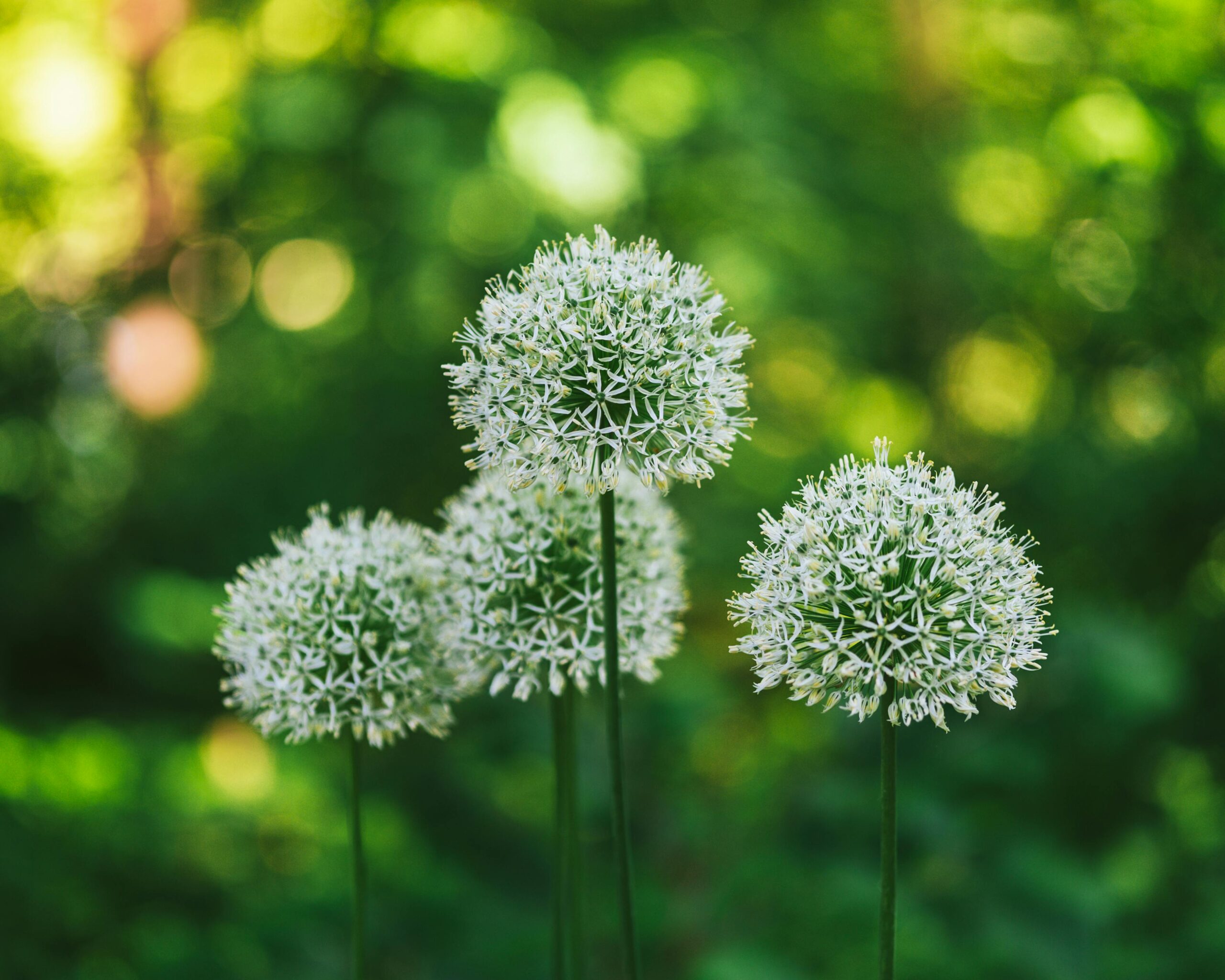
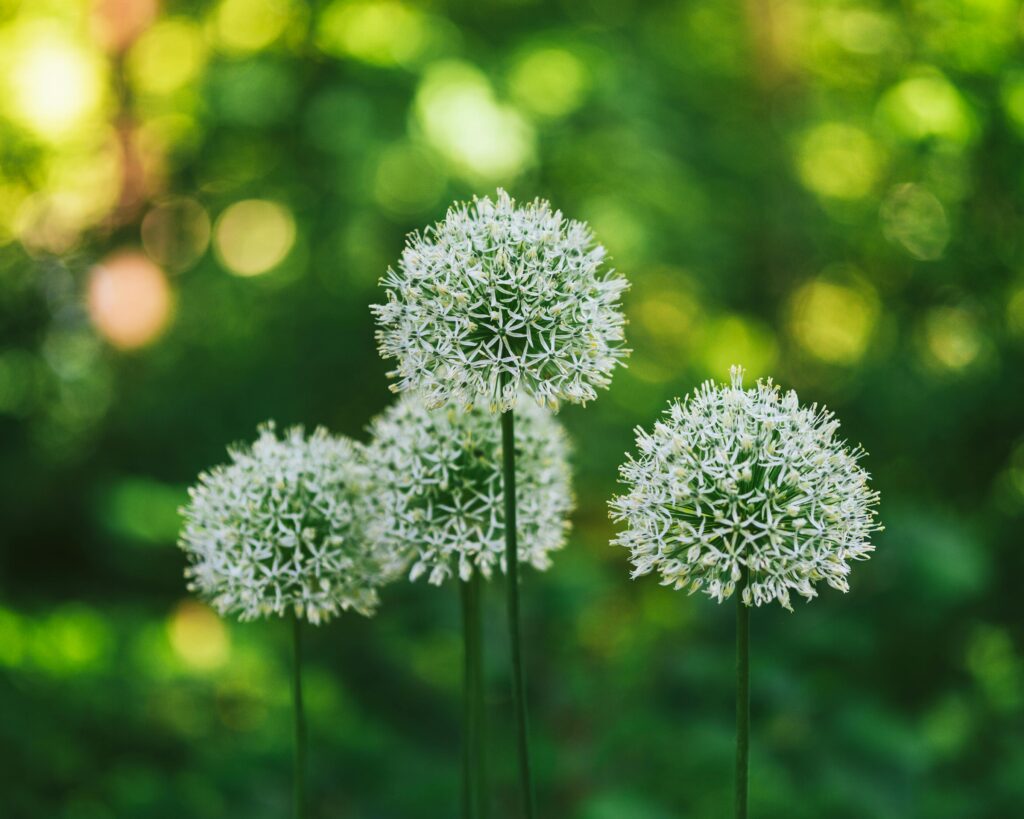
Allium flowers are some of the most eye-catching plants you can grow in a garden.If you have ever walked through a garden in late spring or early summer and noticed giant, perfectly round purple blooms hovering like glowing orbs, you have probably seen Alliums. These beauties belong to the onion family, but unlike their culinary cousins, they’re grown for their extraordinary ornamental appeal.
Alliums are beloved by gardeners for their globe-shaped flowers, architectural presence, low-maintenance nature, and ability to return year after year. They bridge the gap between spring and summer gardens, attract pollinators, and add elegance to any space.
In this guide, we will dive into everything you need to know about Alliums—origins, varieties, planting tips, seasonal care, and creative uses. Whether you’re a seasoned gardener or just getting started, Alliums can transform your outdoor space into something truly memorable.
Table of Contents
Getting to Know Allium Flowers
What Are Allium Flowers?
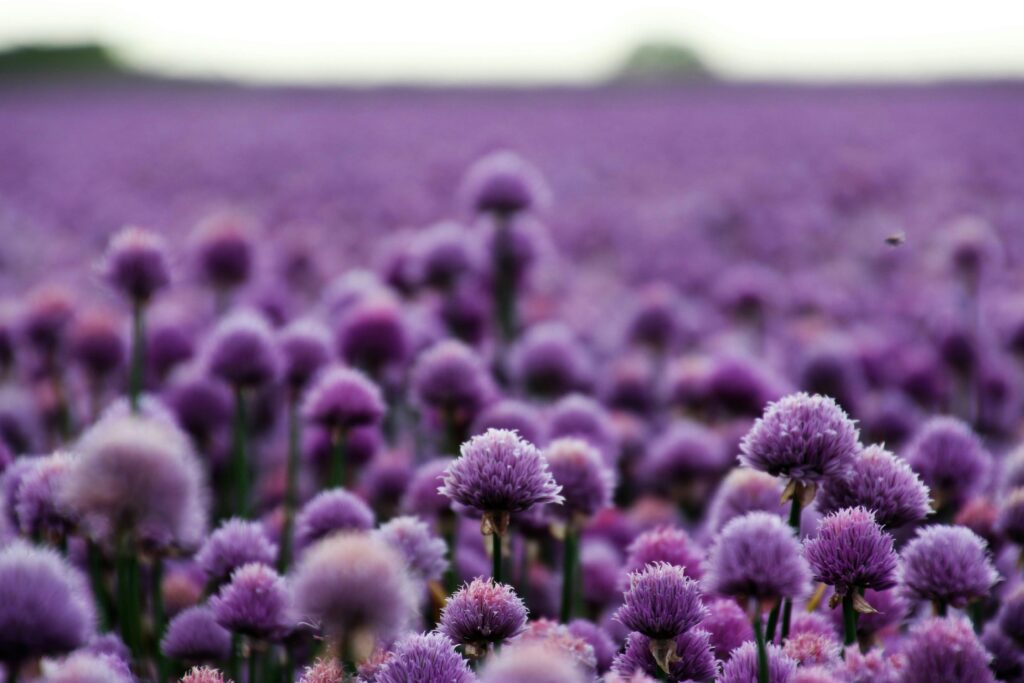
The word “Allium” comes from the Latin word for garlic. While onions, garlic, chives, and leeks are edible members of the family, ornamental Alliums are cultivated for their show-stopping flowers. Their blooms are made of dozens or even hundreds of tiny star-shaped florets, forming globe-like clusters in shades of purple, pink, blue, yellow, and white.
A Brief History of Allium Flowers
Alliums have been admired for centuries, particularly in Asia and the Middle East. They appear in Persian art and were valued for both symbolism and beauty. In modern times, landscape designers embraced them in the 20th century for their bold, sculptural form, making them favorites in formal gardens, city landscapes, and even rooftop terraces.
Why Choose Allium Flowers for Your Garden?
- Sculptural Elegance
Alliums stand tall and upright, adding vertical structure that breaks up the softer, rounded forms of other plants. - Extended Blooms
Blooming in late spring to early summer, they bridge the seasonal gap, keeping your garden colorful. - Pollinator Appeal
Bees and butterflies flock to them, making them essential for eco-conscious gardeners. - Low Maintenance
They tolerate drought, require little care, and thrive in poor soil. - Animal Resistant
Deer, rabbits, and rodents avoid them thanks to their oniony scent. - Versatility
From compact ground-hugging species to towering giants, there’s an Allium for every space.
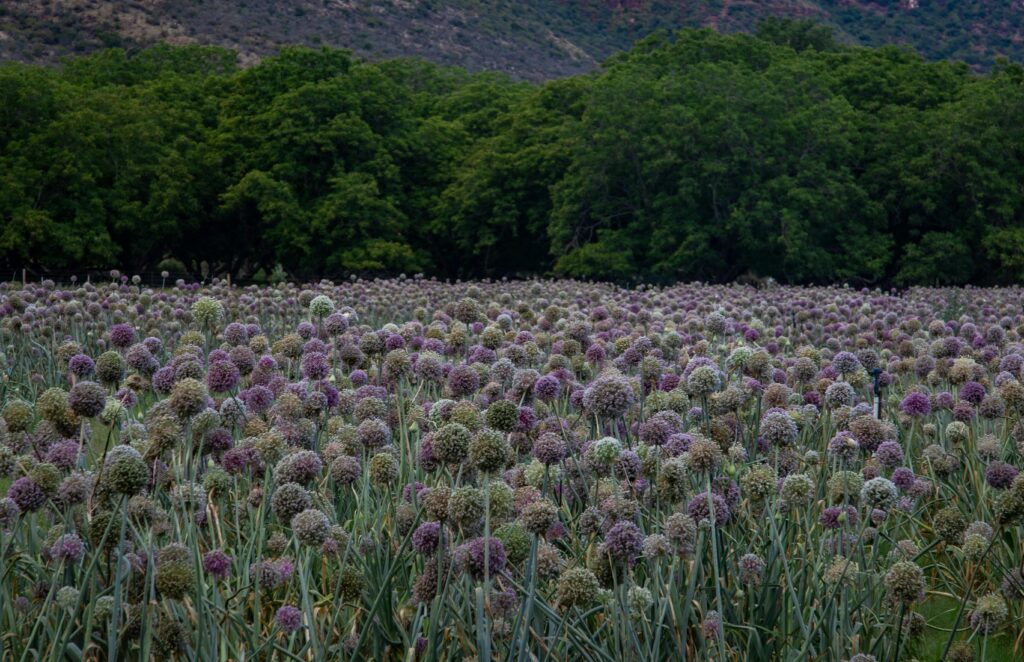
Popular Allium Flowers Varieties
- Allium giganteum: Towering purple blooms reaching 3–4 feet.
- Allium ‘Globemaster’: Known for its oversized, long-lasting flowers.
- Allium christophii (Star of Persia): Open, airy, starburst-like heads up to 12 inches across.
- Allium ‘Purple Sensation’: Mid-sized, rich violet blooms—perfect for borders.
- Allium schubertii: Unique, firework-style flowers that add whimsy.
- Allium caeruleum: Rare blue blooms that pop against greens and pinks.
- Allium karataviense: Compact, low-growing with silvery-pink blossoms, great for pots.
Planting Allium Flowers
When to Plant
Plant bulbs in fall, ideally between September and November, before the ground freezes.
Where to Plant
- Full sun is best, though some tolerate partial shade.
- Soil must be well-draining to prevent bulb rot.
- Plant in clusters for maximum impact.
How to Plant
- Dig holes three times the height of the bulb.
- Place bulbs pointy side up.
- Space them 6–12 inches apart.
- Cover with soil and water once to settle them in.
Caring for Allium Flowers
- Watering: Minimal. Only water during dry spells.
- Feeding: Use balanced fertilizer in early spring. Avoid nitrogen-heavy food.
- Foliage Care: Allow leaves to naturally yellow and die back, as this feeds the bulb for next year.
- Dividing Bulbs: Every 3–5 years, lift and divide overcrowded clumps.
Seasonal Care Calendar
- Fall (September–November): Plant bulbs. Add mulch for insulation.
- Winter (December–February): Leave them undisturbed; they’re hardy.
- Spring (March–May): Fertilize lightly. Watch shoots emerge.
- Late Spring (May–June): Enjoy blooms. Water during drought.
- Summer (July–August): Allow foliage to die back. Collect dried heads if desired.
Creative Uses for Allium Flowers
- Garden Borders
Create formal lines with tall varieties. - Mixed Beds
Pair with roses, peonies, or irises for layered beauty. - Wildflower Meadows
Blend with ornamental grasses for a natural look. - Containers
Compact types thrive in pots on patios or balconies. - Cut Flowers and Drying
Fresh Alliums look elegant in vases, while dried blooms last for months indoors. - Craft Projects
Spray-paint dried heads gold or silver for festive home décor.
Companion Plants for Allium Flowers
- Peonies: Their large blooms complement Alliums perfectly.
- Catmint (Nepeta): Creates a dreamy purple-blue carpet below tall stems.
- Daylilies: Provide color when Alliums fade.
- Hostas: Mask the yellowing leaves at the base.
- Roses: Add elegance to romantic gardens.
Common Problems and Solutions
- Bulb Rot: Caused by poor drainage—plant in sandy or well-drained soil.
- Few Flowers: Could be overcrowding. Lift and divide bulbs.
- Fading Early: Normal. Hide foliage with companion plants.
Allium Flowers in Garden Design
Landscape designers often use Alliums for:
- Repetition: Planting in groups for rhythm and flow.
- Contrast: Their spheres stand out against soft foliage.
- Minimalist Gardens: Perfect for adding focal points.
- Urban Spaces: Compact varieties thrive on balconies or small patios.
Wildlife and Pollinator Benefits
Alliums are pollinator magnets. Bees rely on them in late spring when many spring flowers have faded but summer blooms haven’t arrived yet. Butterflies also love them, and they provide nectar without attracting unwanted pests.
Fun Facts About Allium Flowers
- Some flower heads contain over 100 florets.
- Dried Allium heads can last years.
- They were once believed to ward off evil spirits.
- Alliums are close cousins of garlic, but ornamental ones aren’t typically eaten.
DIY Projects with Allium Flowers
- Dried Arrangements: Leave flower heads to dry naturally on the stem, then bring them indoors.
- Spray-Painted Orbs: Painted metallic gold or silver, dried Alliums make stunning holiday decorations.
- Garden Sculptures: Even when dried outdoors, the skeleton heads add texture to winter gardens.
Conclusion: Why Allium Flowers Deserve a Place in Your Garden
Alliums are more than ornamental bulbs. They are conversation pieces, pollinator havens, and reliable bloomers that add elegance and drama to any outdoor space. From towering Allium giganteum to petite Allium karataviense, there’s a variety for every setting.
Planting them is simple, caring for them is easy, and the rewards are breathtaking. If you want your garden to turn heads in late spring, Alliums are a must. They are not just flowers—they’re living sculptures that bring joy year after year.If you have ever walked through a garden in late spring or early summer and noticed giant, perfectly round purple blooms hovering like glowing orbs, you have probably seen Alliums. These beauties belong to the onion family, but unlike their culinary cousins, they’re grown for their extraordinary ornamental appeal.
Alliums are beloved by gardeners for their globe-shaped flowers, architectural presence, low-maintenance nature, and ability to return year after year. They bridge the gap between spring and summer gardens, attract pollinators, and add elegance to any space.
In this guide, we will dive into everything you need to know about Alliums—origins, varieties, planting tips, seasonal care, and creative uses. Whether you are a seasoned gardener or just getting started, Alliums can transform your outdoor space into something truly memorable.
Leave a Reply