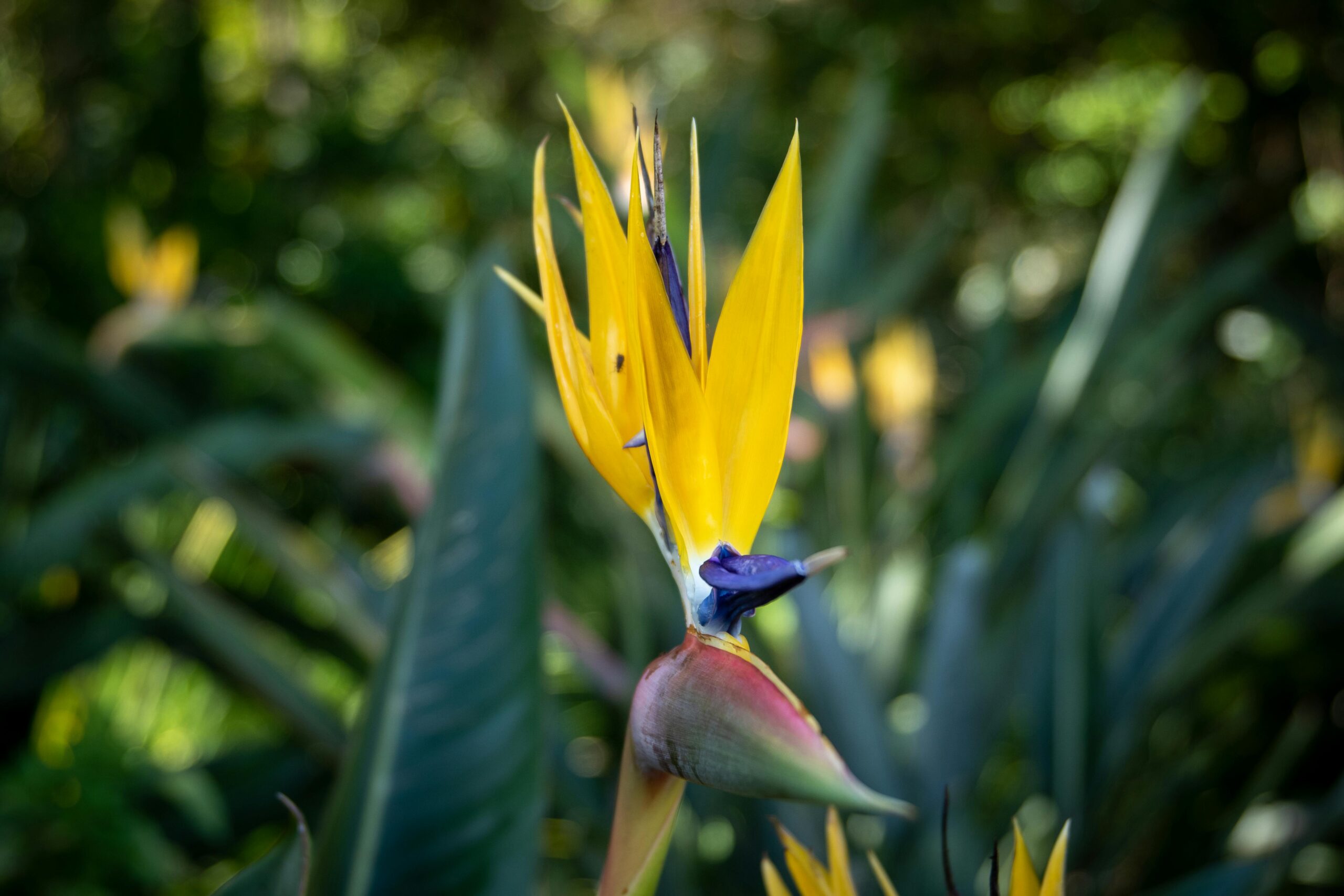
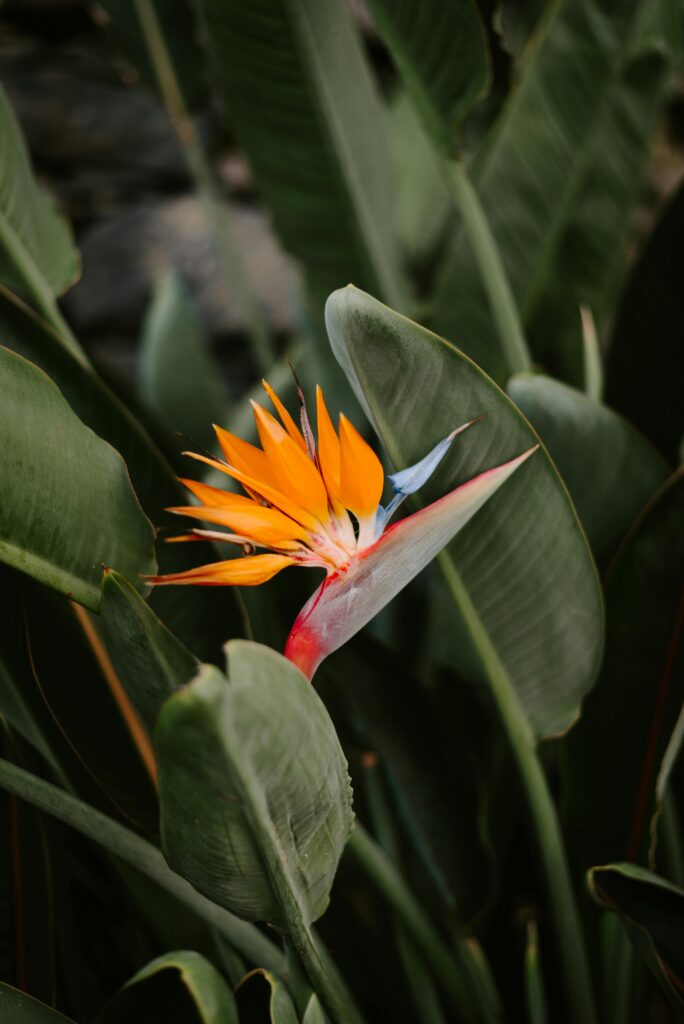
When people imagine tropical flowers, the Bird of Paradise is often one of the first to come to mind. Known for its striking shape and vibrant colors, this plant resembles a bird caught mid-flight, giving it both its name and a reputation as one of the most exotic flowers in the world. Beyond its beauty, the Bird of Paradise carries cultural significance, unique growth habits, and a special place in gardens and floral designs worldwide.
In this blog, we’ll dive deep into everything you need to know about the Bird of Paradise—its history, symbolism, varieties, care tips, and how you can enjoy it in your own home or garden.
Table of Contents
A Glimpse Into the Origins
The Bird of Paradise (scientific name Strelitzia reginae) comes from the subtropical regions of South Africa. It was first introduced to Europe in the late 18th century, where it quickly became a prized ornamental plant. The flower was named after Queen Charlotte of Mecklenburg-Strelitz, wife of King George III of England, hence the species name “reginae,” which means “of the queen.”
Because of its unusual shape and bright orange and blue hues, it was given the nickname “Bird of Paradise,” since the flower’s bloom resembles the head and plumage of a colorful tropical bird.
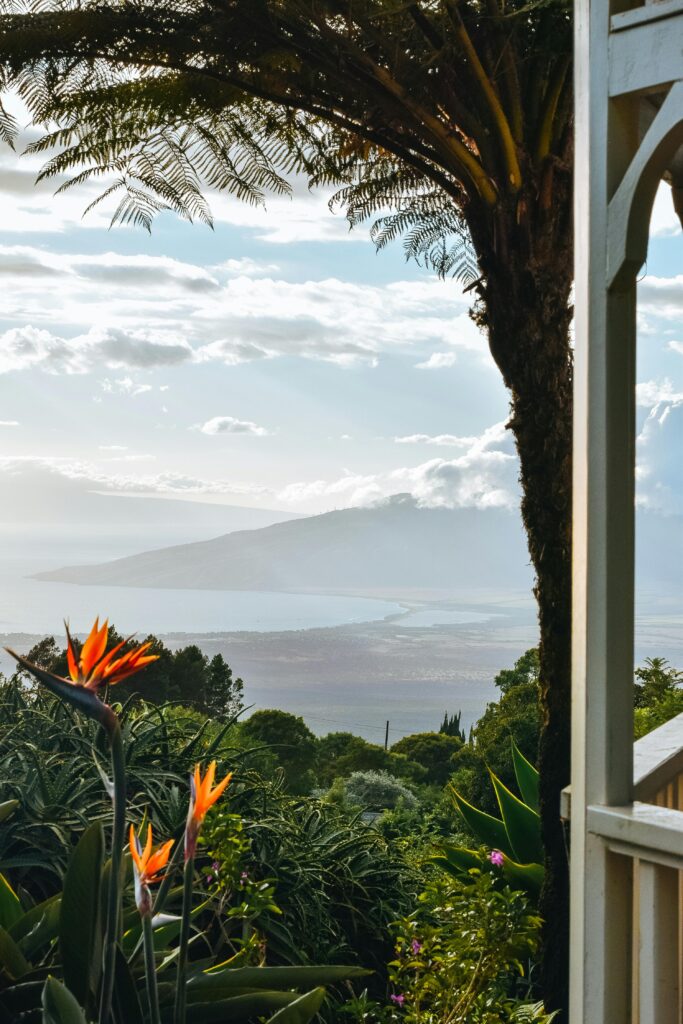
Today, this plant has spread far beyond its native home. It thrives in warm regions like California, Florida, Hawaii, and Australia, and is well-loved in gardens and as cut flowers.
The Symbolism Behind
Like many flowers, the Bird of Paradise carries symbolic meaning. Because of its exotic beauty and rarity, it often represents:
- Freedom and Joy – Its bird-like shape is associated with flight, symbolizing freedom and independence.
- Paradise and Heaven – Its tropical look evokes feelings of escape and relaxation, making it a symbol of paradise itself.
- Fidelity and Romance – In the language of flowers, gifting Bird of Paradise often represents faithfulness, love, and anticipation of joy in a relationship.
In Hawaiian culture, the Bird of Paradise is often used in leis and celebrations, while in modern floral design, it has become a symbol of luxury and sophistication.
Types and Varieties
While Strelitzia reginae is the most famous species, there are several types of Bird of Paradise plants, each with unique features.
- Strelitzia reginae
- The classic orange and blue variety.
- Grows about 3–5 feet tall.
- Most commonly seen in gardens and floral arrangements.
- Strelitzia nicolai (Giant White Bird of Paradise)
- Much larger, growing up to 20 feet tall.
- Has white and blue flowers instead of orange.
- Looks more like a small tree than a shrub.
- Strelitzia juncea
- Has thin, reed-like leaves.
- Produces the same orange and blue flowers as reginae.
- Perfect for modern, minimalist landscapes.
- Strelitzia alba
- Similar to Nicolai but with pure white flowers.
- Native to South Africa’s eastern regions.
- Strelitzia caudata (Mountain Strelitzia)
- Less common, grows in higher elevations.
- Produces large, striking flowers.
Each type stands out with exotic charm, making them distinctive additions to any collection.
How to Grow Bird of Paradise
Bird of Paradise plants are not only beautiful but also surprisingly easy to grow if given the right conditions. Here’s what you need to know:
Climate and Location
- Prefers warm, frost-free areas.
- Grows best in USDA zones 9–12.
- It can be grown indoors in pots in cooler climates.
Light Requirements
- Thrives in full sun but tolerates partial shade.
- Indoor plants should be placed near a bright window.
Soil
- Needs well-draining soil.
- Sandy or loamy soil mixed with organic matter works best.
Watering
- Water regularly during the growing season (spring and summer).
- Keep soil slightly moist but not soggy.
- Reduce watering in winter.
Fertilizing
- Feed with a balanced liquid fertilizer every 2–3 weeks in the growing season.
- Too much nitrogen can reduce flower production.
Pruning and Maintenance
- Remove dead or damaged leaves.
- Cut off old flower stalks to encourage new blooms.
Repotting
- Repot every 2–3 years if growing in containers.
- Bird of Paradise prefers to be slightly root-bound, so don’t rush to repot.
Flowering and Bloom Cycle
People fall in love with Bird of Paradise for its dramatic flowers, but patience is needed.
- The plant usually takes 3–5 years to flower.
- Blooms appear mainly in late winter and spring, but in the right climate, they may bloom year-round.
- Each flower lasts for several weeks, making them excellent for cut arrangements.
Common Problems and Solutions
Like any plant, Bird of Paradise may face a few challenges:
- No Blooms – Usually due to lack of sunlight, over-fertilizing with nitrogen, or the plant being too young.
- Yellow Leaves – Could be a sign of overwatering or poor drainage.
- Pests – Occasionally affected by spider mites, aphids, or scale insects. Wipe leaves and use insecticidal soap if needed.
- Cold Damage – The plant is sensitive to frost, so it needs protection in colder regions.
Bird of Paradise in Landscaping
Few plants create as strong a visual impact as Bird of Paradise. Garden designers often use it as a focal point or as part of a tropical-themed garden. Some ideas include:
- Planting in groups for a dramatic display.
- Pair with palms, hibiscus, or ginger for a lush, tropical look.
- Using Strelitzia nicolai as a natural privacy screen.
- Growing in containers for patios and poolside décor.
Because of its bold shape and evergreen foliage, Bird of Paradise remains attractive even when not in bloom.
Bird of Paradise as a Houseplant
If you don’t live in a tropical climate, you can still enjoy this plant indoors. Indoor Bird of Paradise plants can grow up to 6 feet tall and make a strong statement piece.
Tips for success indoors:
- Place near a south-facing window.
- Mist leaves occasionally to provide humidity.
- Keep the room temperature above 60°F (15°C).
- Rotate the pot regularly to keep growth balanced.
Bird of Paradise in Floral Arrangements
The unique flowers are a favorite in high-end floral arrangements. Their long-lasting nature makes them ideal for tropical bouquets, wedding décor, and corporate event styling. When paired with orchids, anthuriums, or monstera leaves, they create a luxurious and exotic effect.
Fun Facts About Bird of Paradise
- It’s sometimes called the “crane flower” because its shape resembles a crane’s head.
- In South Africa, it’s known as the “flower of the queen.”
- Despite its exotic look, it is not related to tropical birds but belongs to the banana family (Musaceae).
- Some species, like nicolai, can grow as tall as a small palm tree.
Why Bird of Paradise Deserves a Spot in Your Garden
If you’re looking for a plant that combines beauty, symbolism, and resilience, Bird of Paradise checks all the boxes. It’s not just a flower; it’s a statement piece that brings tropical charm to any space. Whether you’re growing it outdoors in a warm climate, indoors in a bright living room, or enjoying it as part of a bouquet, this plant lives up to its name—it truly brings a piece of paradise to your home.
Final Thoughts
The Bird of Paradise is more than just a flower. It’s an icon of exotic beauty, a symbol of joy and paradise, and a plant that rewards patience with spectacular blooms. With the right care, it can be the centerpiece of your garden or home, providing both year-round greenery and unforgettable flowers.
If you’ve been thinking about adding a touch of the tropics to your life, the Bird of Paradise is a perfect choice. Its bold, vibrant presence will remind you daily of nature’s creativity and the feeling of paradise right outside your door.
Leave a Reply