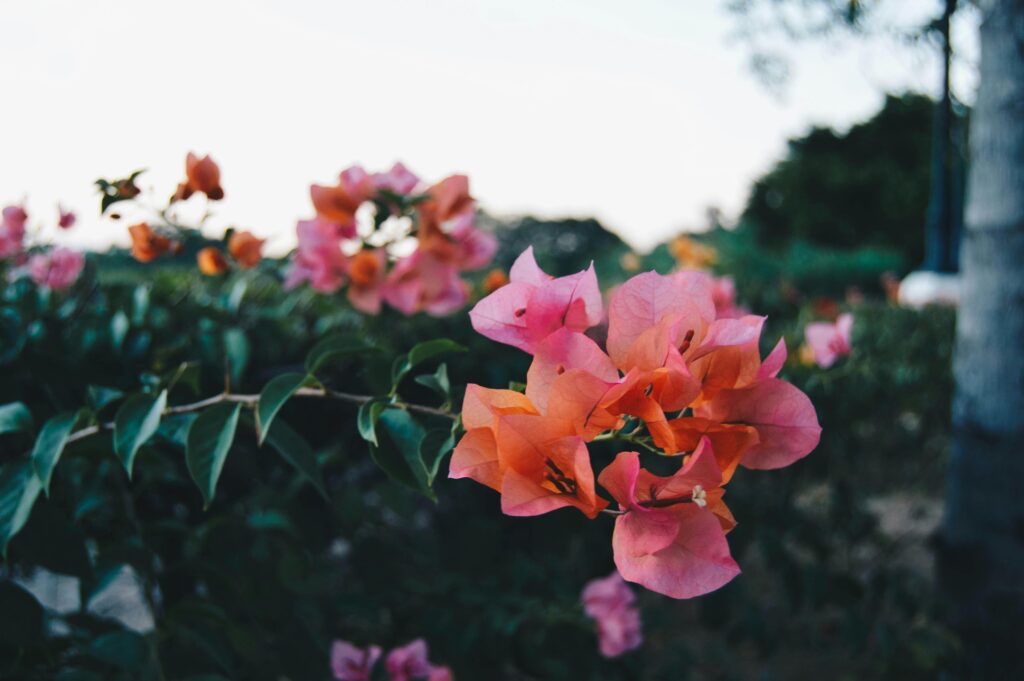
Bougainvillea is one of those plants that makes people stop and stare. With its cascading blooms in shades of pink, purple, red, orange, and even white, it has become a favorite for gardens, balconies, and landscapes around the world. What’s interesting is that what we often call the “flowers” of bougainvillea aren’t flowers at all—they’re papery bracts surrounding the plant’s tiny white blossoms.
In this blog, we’ll take a close look at bougainvillea: its origins, types, symbolism, growing tips, landscaping uses, and why this hardy climber is more than just a pretty face.
Table of Contents
The Origins of Bougainvillea
It was first discovered in South America in the late 1700s. The French explorer and botanist Philibert Commerson named it after his friend, Admiral Louis Antoine de Bougainville, who led the voyage during which the plant was found.
Native to countries such as Brazil, Peru, and Argentina, bougainvillea quickly spread to tropical and subtropical regions across the world. Its ability to thrive in heat, withstand drought, and bloom almost year-round made it an instant favorite. Today, it is widely practiced in Asia, Africa, the Mediterranean, the Middle East, and the southern United States.
The Symbolism of Bougainvillea
It is not just admired for its looks—it also carries deep symbolism in different cultures:
- Passion and Energy – The bold colors represent vitality, vibrance, and life.
- Welcome and Hospitality – In many cultures, bougainvillea is planted at gates or entrances as a gesture of warmth and openness.
- Resilience – Since it thrives in harsh conditions, it is often seen as a symbol of perseverance and strength.
Popular Varieties of This Colorful Climbere
It comes in many varieties, each with its own growth style and color range. Some of the most popular include:
- Bougainvillea glabra
- Known as “paper flower” because of its thin, papery bracts.
- One of the most common species.
- Bougainvillea spectabilis
- Larger bracts and hairier leaves.
- Grows vigorously and is widely used in landscaping.
- Bougainvillea peruviana
- Native to Peru.
- Less common but equally striking.
- Hybrid Varieties
- Many modern hybrids offer double bracts, unique shades, and compact growth for pots.
Colors you will find in bougainvillea: magenta, hot pink, purple, red, orange, yellow, white, and even variegated mixes.
How to Grow Successfully
Despite its dramatic beauty, bougainvillea is surprisingly tough. Once established, it requires little care and rewards you with bursts of color almost year-round in warm climates.
Climate and Location
- Best suited for USDA zones 9–11.
- Loves hot, sunny weather.
- It can be grown in pots in colder regions and moved indoors during winter.
Sunlight
- Needs at least 6 hours of direct sunlight daily for vibrant blooms.
- Shade leads to more leaves and fewer flowers.
Soil
- Prefers well-drained, slightly acidic soil.
- Avoid heavy clay soils that retain too much water.
Watering
- Bougainvillea loves “dry feet.”
- Water deeply but infrequently.
- Overwatering can cause root rot and reduce flowering.
Fertilizer
- Use a balanced, slow-release fertilizer or a bloom-boosting formula low in nitrogen.
- Too much nitrogen encourages leafy growth instead of flowers.
Pruning
- Prune after each flowering cycle to encourage new growth and shape the plant.
- Pinching tips can promote bushier growth.
Support and Training
- As a climbing vine, bougainvillea needs support like trellises, fences, pergolas, or walls.
- It can also be pruned into shrubs, hedges, or even small trees.
Bougainvillea Blooming Cycle
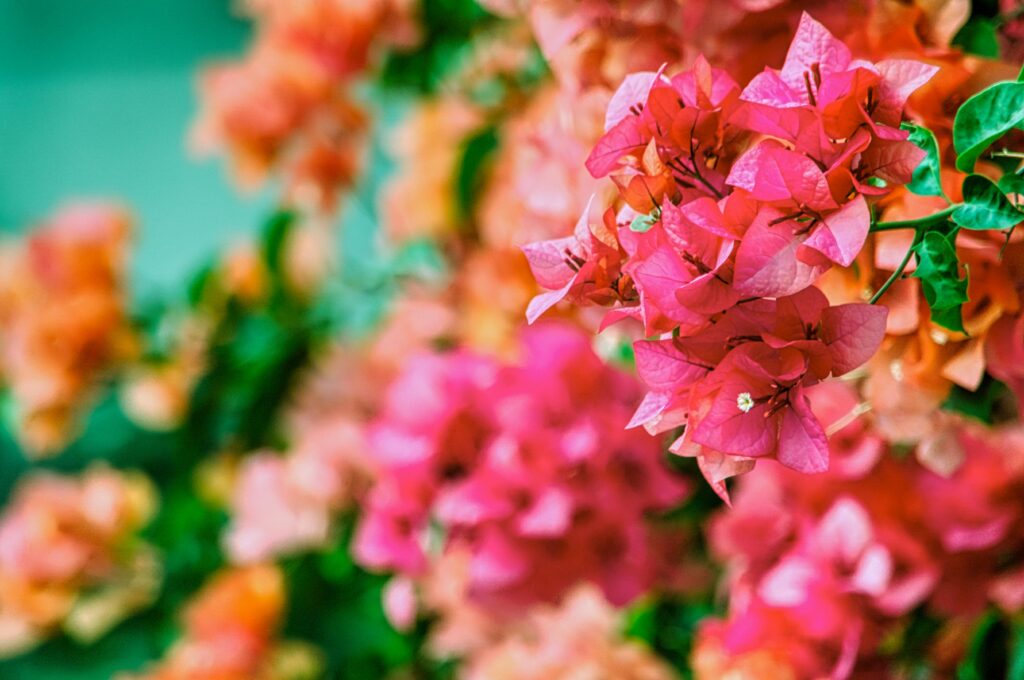
These flowers bloom multiple times a year, depending on the climate. In tropical areas, it can bloom almost continuously. The most prolific blooms occur during dry seasons when watering is limited and the plant is slightly stressed.
Each flush of blooms lasts for weeks, with the colorful bracts remaining even after the tiny flowers fade.
Common Problems and Solutions
It is hardy but not immune to issues. Some common problems include:
- No Flowers – Often due to lack of sunlight or over-fertilizing with nitrogen.
- Yellow Leaves – Usually caused by overwatering or poor drainage.
- Pests – Aphids, caterpillars, and mealybugs may attack but are manageable with neem oil or insecticidal soap.
- Cold Damage – Frost can kill young plants. Protect with covers or bring potted plants indoors.
Bougainvillea in Landscaping
It is a designer’s dream. Its versatility allows it to be used in many ways:
- Climbers – Perfect for covering fences, pergolas, and trellises.
- Groundcover – Some varieties spread low and wide, great for erosion control.
- Hedges – With pruning, they can form colorful, thorny boundaries.
- Containers – Compact hybrids thrive in pots and hanging baskets.
- Arches and Entrances – Popular for wedding venues and garden gates.
They pair beautifully with palms, hibiscus, jasmine, and other tropical plants for a lush effect.
Bougainvillea as a Houseplant
If you don’t live in a warm region, you can still enjoy bougainvillea indoors or on balconies.
Tips for success:
- Place it in the sunniest window or balcony.
- Keep soil lightly moist but avoid sogginess.
- Prune regularly to maintain shape.
- Move indoors when temperatures drop below 50°F (10°C).
Fun Facts
- It is often mistaken for a flower, but the colorful parts are bracts.
- It can grow more than 30 feet tall if left unpruned.
- Some species are thornless, but most have sharp thorns.
- In some countries, it is used in traditional medicine for treating coughs and digestive issues.
10 Reasons to Grow
- Spectacular colors all year round.
- Extremely hardy and drought-tolerant.
- Works as a climber, shrub, hedge, or groundcover.
- Attracts pollinators like bees and butterflies.
- Requires minimal maintenance once established.
- Perfect for tropical and Mediterranean-style gardens.
- Creates natural privacy screens.
- Excellent for container gardening.
- Can be trained into topiary or bonsai.
- Symbol of passion, resilience, and welcome.
Bougainvillea in Culture and Celebrations
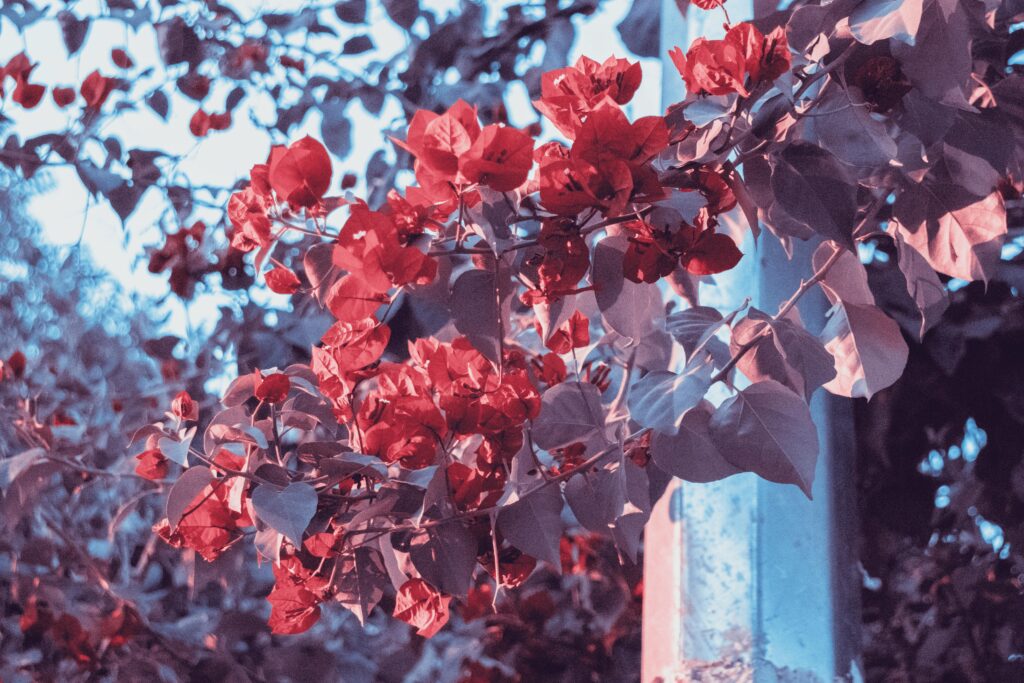
- In India, it is a common sight in gardens, parks, and roadsides, celebrated for its resilience in hot climates.
- In the Philippines, it’s called “Bougenvilla” and is widely used in fences and decorations.
- In Greece and the Mediterranean islands, bright bougainvillea against whitewashed houses has become an iconic image.
- Florists often use bracts in wedding and event arrangements for a tropical touch.
Final Thoughts
It is more than just a plant—it’s a burst of life, energy, and color. With little effort, you can enjoy a spectacular display of blooms that last for months, transforming your garden, balcony, or fence into a tropical paradise.
Whether you grow it as a sprawling climber, a neat potted plant, or a dramatic garden focal point, bougainvillea proves that beauty and toughness can go hand in hand.
So, if you’ve been looking for a plant that combines low maintenance with high impact, bougainvillea is the answer. It’s the ultimate showstopper that brings warmth, vibrance, and resilience wherever it grows.
Leave a Reply