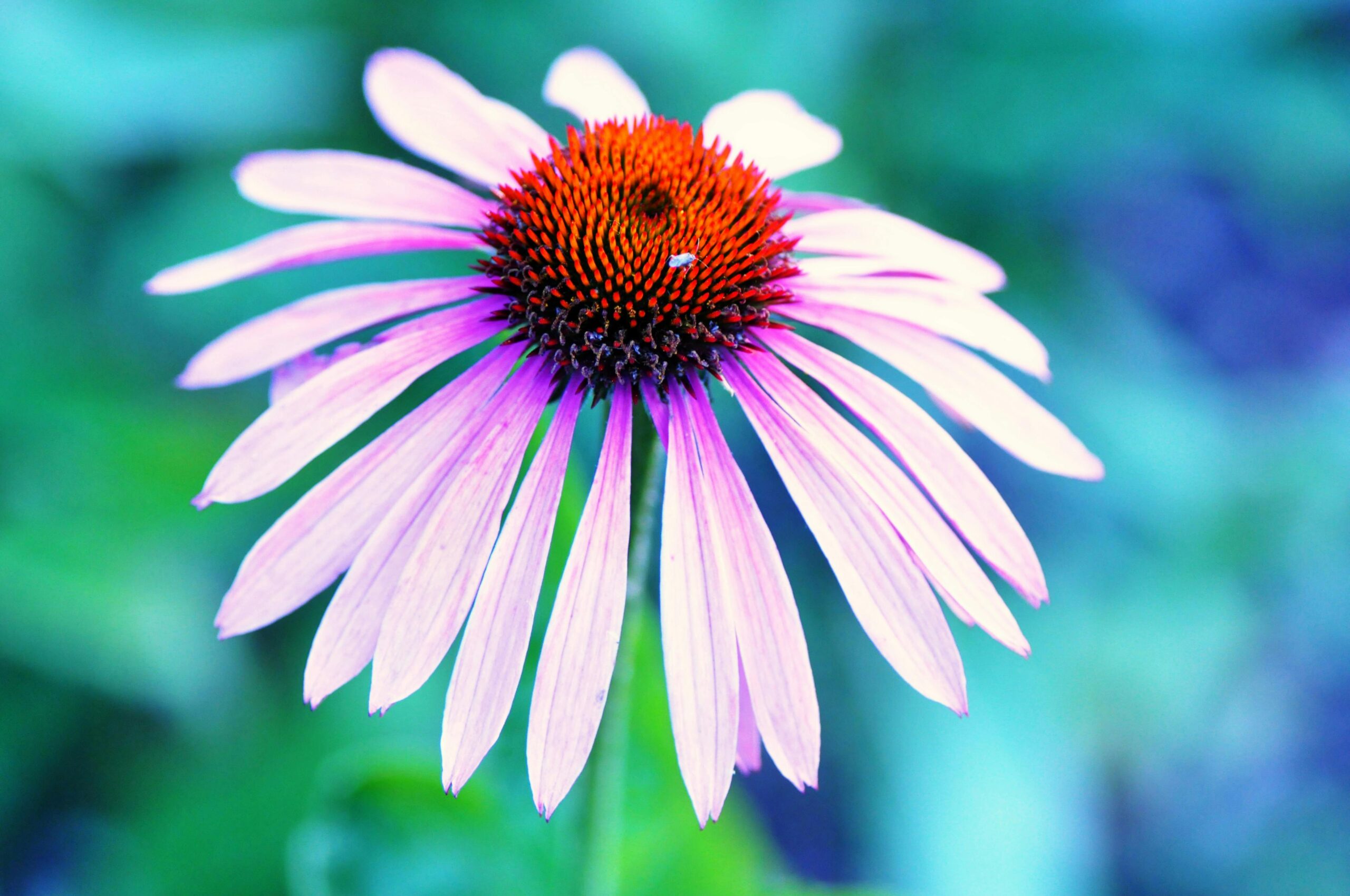
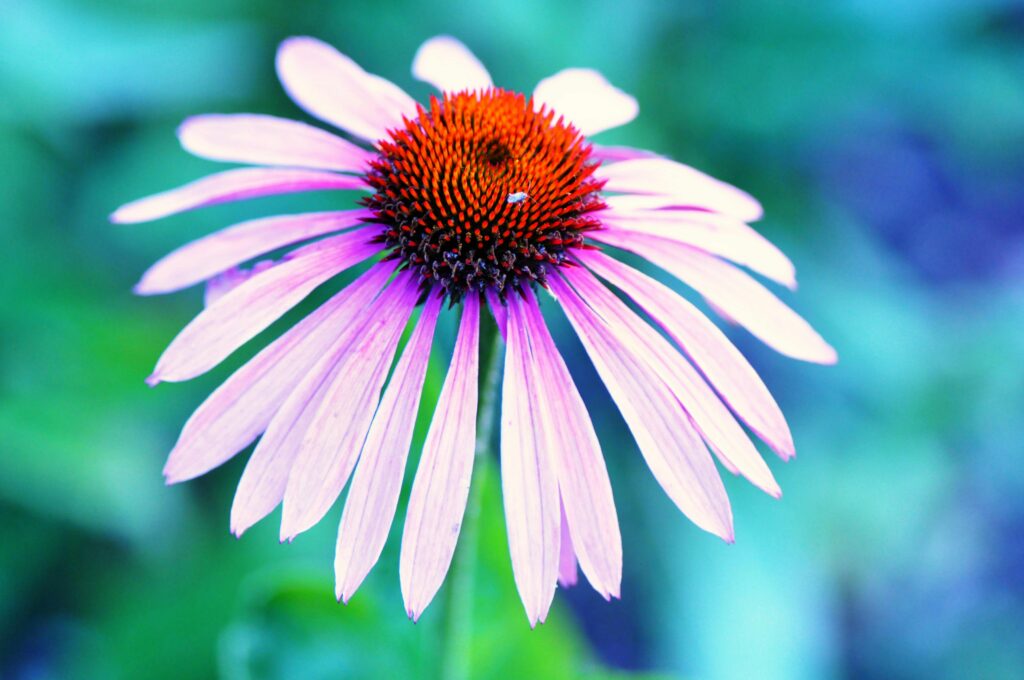
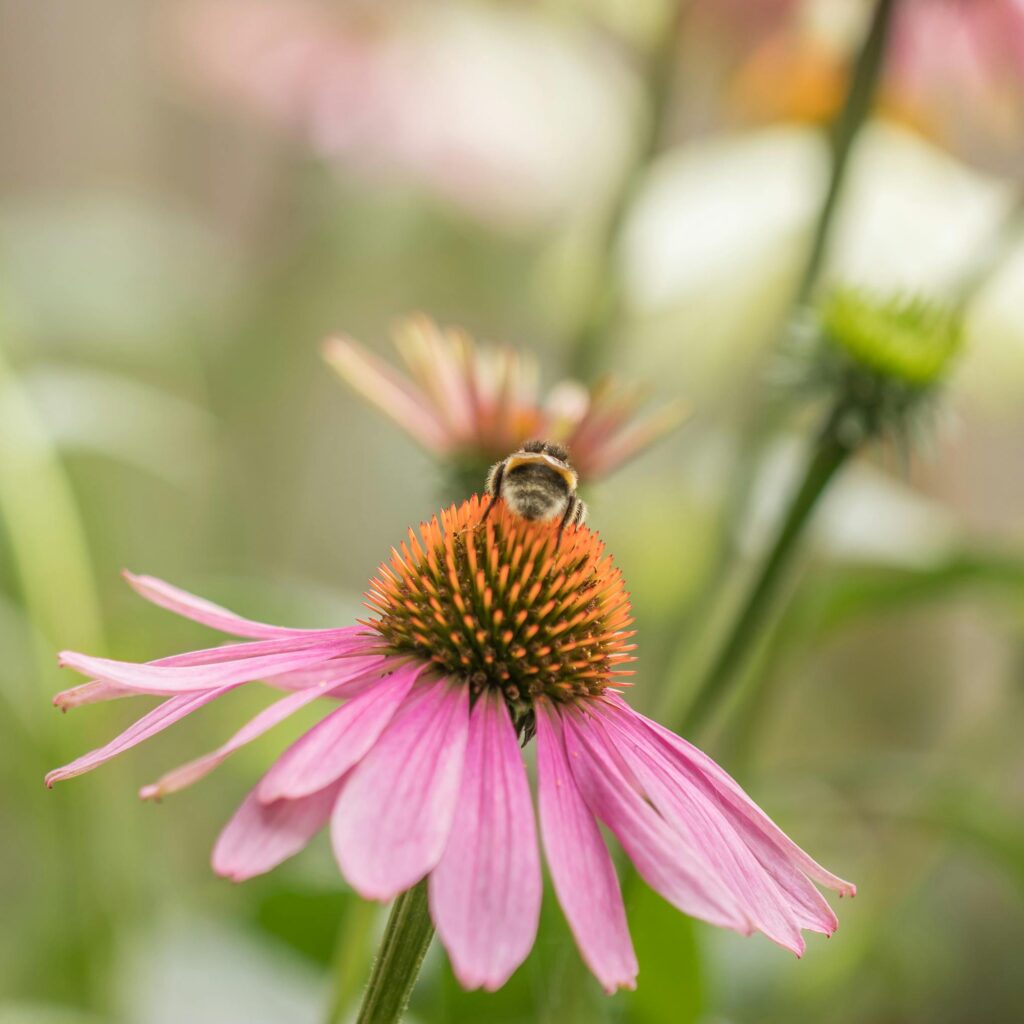
The Coneflower plant (Echinacea) is a true American classic. Its bold, raised cone centers and daisy-like petals make it instantly recognizable in gardens all over the nation. The coneflower, which grows well in a variety of climates across the US, is well-known for its hardiness, beauty, and ecological significance.
Coneflowers can be found everywhere, from backyard gardens on the East Coast to untamed prairies in the Midwest. These resilient perennials provide long-lasting summer blooms that draw pollinators and enliven any garden bed, and they come back year after year with very little work.
The coneflower plant is a great option for American gardeners seeking a plant that blends strength, beauty, and cultural heritage.
Table of Contents
What is the Coneflower Plant?
Coneflowers are members of the genus Echinacea, which contains a number of North American native species. The Greek word echinos, which means “hedgehog,” is the source of its name. This alludes to the spiky central cone that towers over its petals.
- Plant type: Herbaceous perennial
- Bloom season: Summer to early fall
- Flower colors: Purple, pink, yellow, white, red, orange (depending on the species or hybrid)
- Height: Typically 2–4 feet tall
What sets coneflowers apart is their toughness. They tolerate drought, heat, and even poor soils, making them a dependable choice for gardeners of all skill levels.
A Brief History and Native American Roots
Coneflowers played a significant role in Native American customs long before they were common in contemporary gardens. The roots and flowers of Echinacea were used as herbal remedies by tribes like the Lakota, Sioux, and Cheyenne. They used the plant to improve general health, made poultices for wounds, and brewed teas to relieve sore throats.
Echinacea became one of the most popular medicinal plants in the United States by the 19th century after European settlers adopted these customs. It is still widely used today in herbal teas and supplements, frequently linked to immune system support.
The coneflower plant gains significance from its lengthy cultural and therapeutic past, becoming more than just a garden flower but also a representation of fortitude and recovery.
Types of Coneflower Plants
There are about nine main species of Echinacea, plus countless hybrids developed by plant breeders. Here are the most common ones found in American gardens:
1. Purple Coneflower (Echinacea purpurea)
The classic variety with bright purple petals and a bold orange center.
2. Yellow Coneflower (Echinacea paradoxa)
Native to the Ozark region, known for its vibrant yellow petals.
3. Pale Purple Coneflower (Echinacea pallida)
Features drooping lavender petals, often found in prairies.
4. Narrow-leaved Coneflower (Echinacea angustifolia)
Traditionally used in Native American medicine, with narrower petals.
5. Modern Hybrids
Plant breeders have developed spectacular hybrids in red, orange, pink, white, and even bi-colored forms like “Cheyenne Spirit” or “Green Envy.” These add variety and excitement to landscapes.
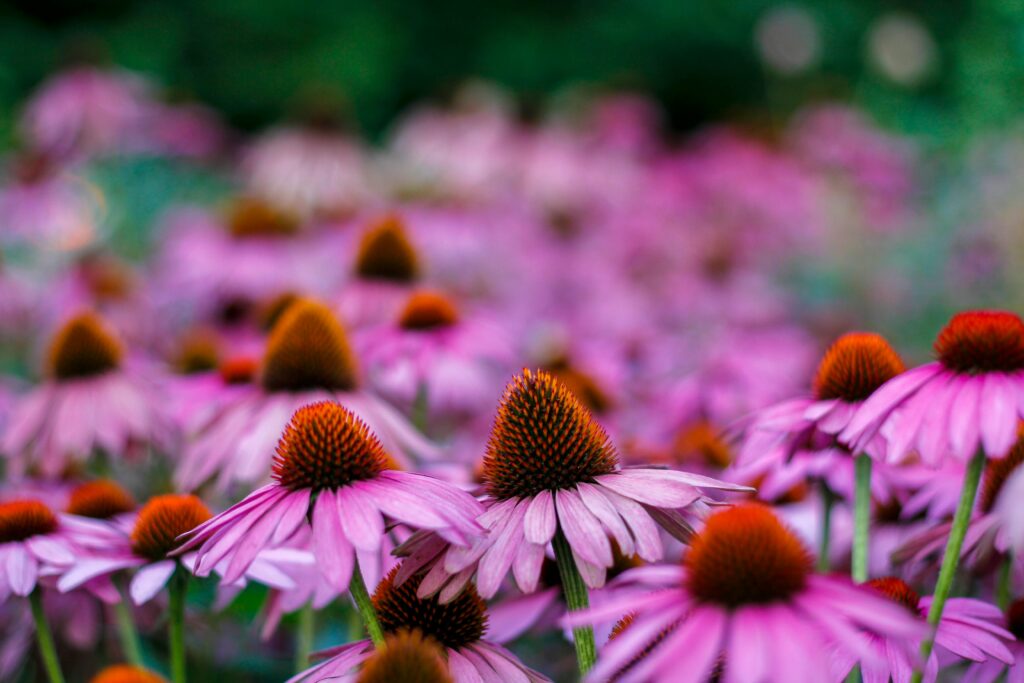
Growing Coneflower Plants in the USA
The coneflower plant is versatile and adapts to most American climates. Here’s how to grow them successfully:
Best Climate and USDA Zones
- Hardy in zones 3–9, which covers most of the continental USA.
- Ideal for states like Minnesota, Illinois, New York, Virginia, Texas, and California.
Sunlight
- Needs 6–8 hours of direct sunlight daily.
- In hotter southern states, afternoon shade prevents stress.
Soil
- Prefers well-draining soil.
- Tolerates sandy, loamy, and even clay soils if not waterlogged.
Watering
- Water weekly until established.
- Mature plants are drought-tolerant and rarely need extra watering except during long dry spells.
Planting Tips
- Best planted in spring or early fall.
- Space 18–24 inches apart for airflow.
- Add mulch around the base to retain moisture and prevent weeds.
Regional Growing Tips for USA Gardeners
Because the USA has diverse climates, here are region-specific coneflower tips:
Midwest (Illinois, Ohio, Kansas)
- Coneflowers thrive in prairies, so plant them in open, sunny areas.
- Pair with native grasses like switchgrass for a natural prairie look.
Northeast (New York, Pennsylvania, Massachusetts)
- Ensure good drainage in wetter soils.
- Plant near pollinator gardens to attract butterflies and bees.
South (Texas, Georgia, Florida)
- Afternoon shade helps during scorching summers.
- Mulching is important to keep the soil cool.
West Coast (California, Oregon, Washington)
- Needs extra watering during long, dry summers.
- Perfect for drought-tolerant landscapes and pollinator habitats.
Caring for Coneflower Plants
Coneflowers are low-maintenance, but some simple care ensures a longer bloom season:
- Deadheading: Snip off faded flowers to encourage new growth.
- Pruning: Cut stems back in late fall, or leave seed heads for birds.
- Fertilizer: Avoid over-fertilizing; compost in spring is enough.
- Winter Care: In colder states, mulch plants to protect roots from freezing.
Benefits of the Coneflower Plant
Coneflowers are more than pretty blooms—they benefit ecosystems and people.
1. Pollinator-Friendly
- Attracts bees, butterflies, and hummingbirds.
- Vital for pollinator gardens in urban and suburban areas.
2. Wildlife Support
- Goldfinches and other birds eat seed heads in winter.
3. Herbal Uses
- Popular in teas, capsules, and extracts for immune support.
- Used traditionally for colds, infections, and skin healing.
4. Low-Maintenance Landscaping
- Perfect for busy gardeners and sustainable landscapes.
Coneflowers in Garden Design
The coneflower plant works in many design styles:
- Cottage Gardens: Mix with black-eyed Susans, phlox, and daisies.
- Prairie Gardens: Combine with grasses like little bluestem.
- Pollinator Gardens: Plant alongside milkweed and bee balm.
- Urban Gardens: Use compact hybrids in pots and containers.
DIY Uses of Coneflowers
Coneflowers are not just for the ground. You can use them creatively at home:
- Fresh Cut Flowers: Long-lasting in vases.
- Dried Arrangements: Keep their shape and color when dried.
- Herbal Teas: Use dried petals and roots for homemade tea.
- Crafts: Seed heads make rustic additions to wreaths and decor.
Symbolism and Meaning of Coneflowers
In the language of flowers, coneflowers symbolize:
- Strength & Healing – due to their medicinal roots.
- Endurance – they thrive in poor conditions.
- Optimism – bright colors bring cheer and positivity.
Conclusion: Why Every USA Garden Needs the Coneflower Plant
The Coneflower plant is more than just a flower—it’s a story of American landscapes, Native heritage, ecological value, and natural beauty. Its bright blooms bring life to gardens, its strength supports pollinators, and its herbal qualities continue traditions that go back centuries.
Whether you’re in the Midwest planting prairies, in the South battling hot summers, or on the West Coast designing drought-tolerant landscapes, the coneflower plant adapts and thrives.
If you’re looking for a perennial that is easy, reliable, and rich in history, the coneflower plant deserves a permanent place in your USA garden.
Leave a Reply