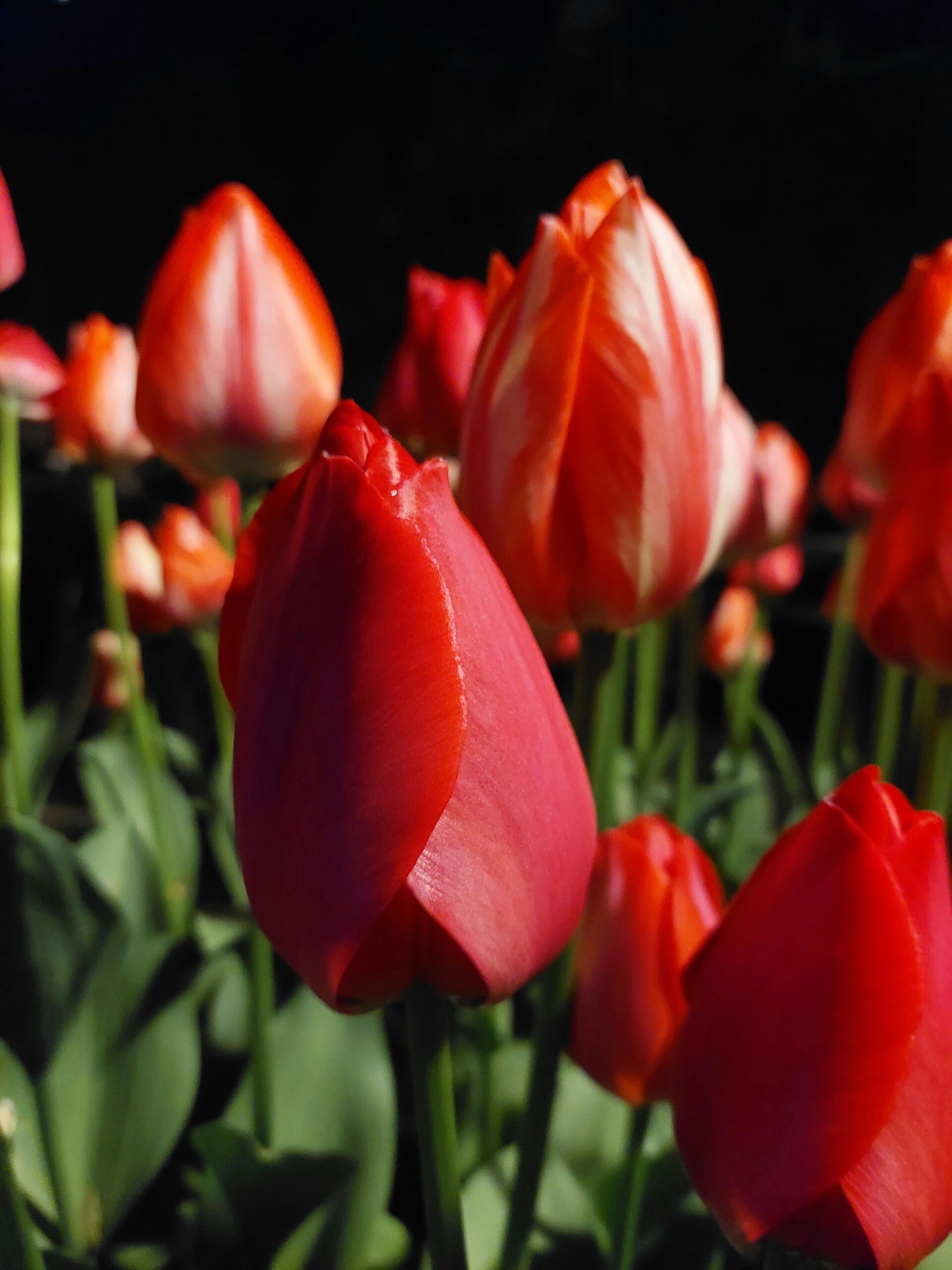
When you plant flowers, shrubs, or herbs in your garden, you usually hope they’ll stick around for more than one season. That’s the beauty of long-living perennials. They do not bloom for just a short time and then fade away like annuals. Instead, they return year after year, often stronger, fuller, and more beautiful than before. Among all perennials, long-living perennials are the treasures of any garden because they can thrive for decades with little care.
In this guide, we’ll explore why long-living perennials are such a great investment, highlight the best flowers that last for years, and share tips on how to keep them healthy so they bloom beautifully season after season.
Table of Contents
Why Choose Long-Living Perennials?
Planting long-lasting perennials is like planting a legacy in your garden. Instead of replanting flowers every year, you get to enjoy the same plants season after season. But the advantages go beyond convenience.Unlike annuals, long-living perennials give you consistency in the landscape.
1. Low Maintenance
Once established, long-living perennials often require little more than seasonal pruning, occasional dividing, and watering during dry spells.
2. Cost-Effective
Although perennials may cost a bit more upfront compared to annuals, they save you money in the long run because you do not need to keep replacing them.
3. Eco-Friendly
Because they do not require frequent replanting, perennials reduce soil disruption and help create a more balanced ecosystem in your yard.
4. Landscape Consistency
Your garden maintains a steady structure and beauty throughout the years, thanks to the same reliable plants that continue to grow.
5. Legacy Plants
Some perennials last so long they can be passed down through generations. Imagine planting a peony today that your grandchildren could still admire decades from now.
What Makes a Perennial Long-Lived?
Not all perennials are created equal. Some may last only three to five years before fading out, while others can thrive for decades. The lifespan of a perennial depends on:
- Genetics: Some species are naturally hardier and longer-lasting than others.
- Care: Proper soil, sunlight, pruning, and division help extend a plant’s life.
- Climate: Growing conditions such as temperature, rainfall, and soil quality play a huge role.
- Resilience: Plants that resist pests and diseases tend to survive longer.
When choosing perennials, go for species that are known for their toughness and longevity
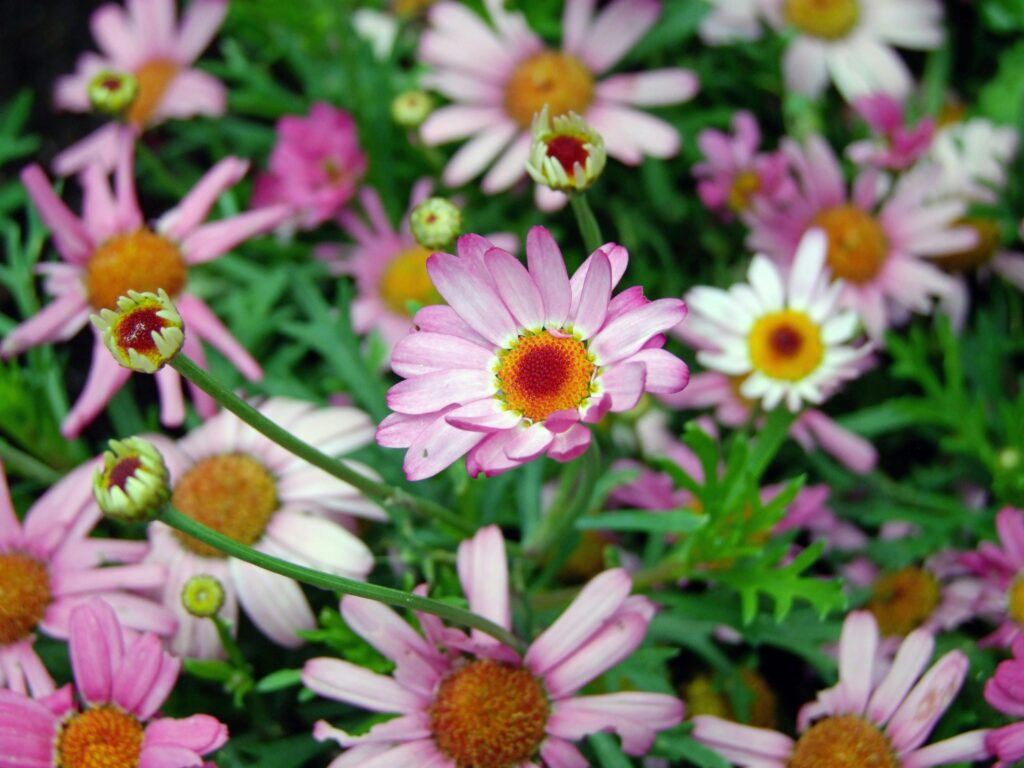
The Long-Living Perennials to Add to Your Garden
Here’s a closer look at some of the most enduring perennials you can plant and enjoy for many years.
1. Peonies
Peonies are legendary for their long lifespan. Some peony plants are known to live for over 100 years if undisturbed. With their lush, fragrant blooms in shades of pink, white, and red, peonies make a breathtaking focal point in spring gardens.
- Lifespan: 50–100 years
- Care Tips: Plant them in well-drained soil with full sun. Avoid transplanting once established.
2. Daylilies
Daylilies may only bloom for one day at a time, but the plants themselves are incredibly hardy and long-lived. They adapt to a wide range of soil and climate conditions.Daylilies are among the easiest long-living perennials to grow, adapting to almost any soil.
- Lifespan: 20–30 years
- Care Tips: Divide clumps every few years to encourage continued flowering.
3. Hostas
Hostas are shade-loving perennials that bring rich foliage and texture to your garden. Their clumps expand slowly but steadily, and many live for decades.
- Lifespan: 30–50 years
- Care Tips: Protect from slugs and snails, and water during dry spells.
4. Coneflowers (Echinacea)
Coneflowers are both beautiful and beneficial for pollinators. They are tough, drought-tolerant, and resist most pests.
- Lifespan: 20 years or more
- Care Tips: Deadhead spent blooms to encourage new flowers, and cut back in late fall.
5. Iris
Irises are a gardener’s favorite for their striking flowers and minimal care needs. With proper division, irises can keep blooming for generations.
- Lifespan: 30–40 years
- Care Tips: Divide rhizomes every 3–4 years to prevent overcrowding.
6. Black-Eyed Susans (Rudbeckia)
These cheerful golden flowers brighten up late summer gardens. They spread easily and reseed themselves, ensuring they last for years.
- Lifespan: 20 years or more with self-seeding
- Care Tips: Deadhead to prevent unwanted spreading if you want a tidier garden.
7. Sedum (Stonecrop)
Sedums are succulent-like perennials that thrive in poor soils and require little attention. They add structure and attract pollinators.
- Lifespan: 20–30 years
- Care Tips: Plant in full sun with well-draining soil to prevent root rot.
8. Lavender
Lavender not only smells heavenly but also lives for many years if given the right conditions. It thrives in dry, sunny spots.
- Lifespan: 15–25 years
- Care Tips: Avoid overwatering and prune back yearly to keep plants from becoming woody.
9. Russian Sage
Russian sage is a tall, airy perennial with silvery foliage and lavender-blue flowers. It thrives in heat and drought.
- Lifespan: 15–20 years
- Care Tips: Plant in well-drained soil and prune in early spring.
10. Astilbe
Astilbe brings plumes of feathery flowers to shady gardens and can live for decades when cared for properly.
- Lifespan: 20 years
- Care Tips: Keep soil consistently moist and enrich with compost.
How to Keep Long-Living Perennials Healthy
Even the hardiest plants need a little attention. Follow these steps to ensure your perennials thrive for decades:
1. Choose the Right Location
Match the plant’s needs with your garden conditions. Shade lovers like hostas won’t thrive in full sun, while sun lovers like lavender will struggle in the shade.
2. Prepare the Soil
Good soil is the foundation of a long-lived plant. Enrich it with compost and ensure proper drainage.
3. Water Wisely
Overwatering shortens the life of many perennials. Water deeply but infrequently, encouraging roots to grow strong.
4. Prune and Deadhead
Removing spent flowers and cutting back foliage at the right time keeps plants looking neat and encourages more blooms.
5. Divide When Needed
Some perennials need dividing every few years to avoid overcrowding and to rejuvenate growth.
6. Mulch for Protection
Mulch helps retain soil moisture, regulate temperature, and reduce weeds.
7. Watch for Pests and Diseases
Regularly inspect your plants. Early detection of issues like powdery mildew or insect damage can prevent long-term harm.
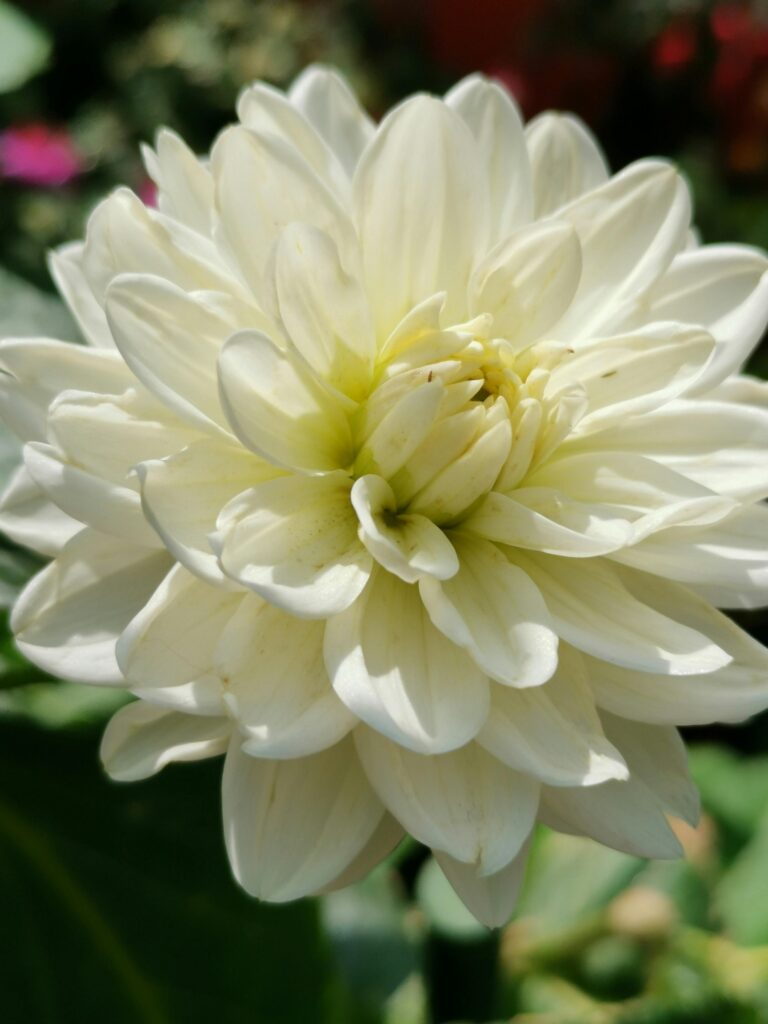
Designing a Garden with Long-Living Perennials
The real beauty of long-lived perennials is how they shape your garden over time.Mixing long-living perennials with seasonal blooms creates year-round beauty. Here are a few design ideas:
- Create Layers: Mix tall perennials like Russian sage with medium-height plants like coneflowers and low ground covers like sedum for a balanced look.
- Plan for Seasons: Choose a variety of perennials that bloom at different times so your garden has color from spring to fall.
- Add Foliage Interest: Plants like hostas or ornamental grasses keep your garden attractive even when flowers aren’t blooming.
- Pollinator Haven: Long-lasting perennials like lavender, coneflowers, and black-eyed Susans provide food for bees and butterflies year after year.
Long-Living Perennials: A Gift to the Future
When you plant a long-lived perennial, you’re doing more than adding beauty to your yard. You’re planting something that will endure. Some of these plants will be there to greet you every spring, growing stronger with each passing year. Others might even outlast you, leaving a legacy of color, fragrance, and life for the next generation.
So, if you’re looking for plants that reward your efforts many times over, choose long-living perennials. Peonies, hostas, daylilies, and coneflowers are just a few that promise to bring joy for decades. With a little planning and care, your garden will not only bloom but thrive for years to come. The Long-Living Perennial You Can Enjoy for Years to Come
When you plant flowers, shrubs, or herbs in your garden, you usually hope they will stick around for more than one season. That’s the beauty of perennials. They do not just bloom for a short time and fade away like annuals. Instead, they return year after year, often stronger, fuller, and more beautiful than before. Among all perennials, there are some that stand out for their incredible ability to thrive for decades with very little care. These long-living perennials are the treasures of any garden.If you want a garden that rewards you every year, planting long-living perennials is the best choice you can make.
In this guide, we’ll explore why perennials are such a great investment for your landscape, highlight some of the longest-living perennials you can grow, and give you tips on how to keep them healthy so they continue to bloom for years to come.
Leave a Reply