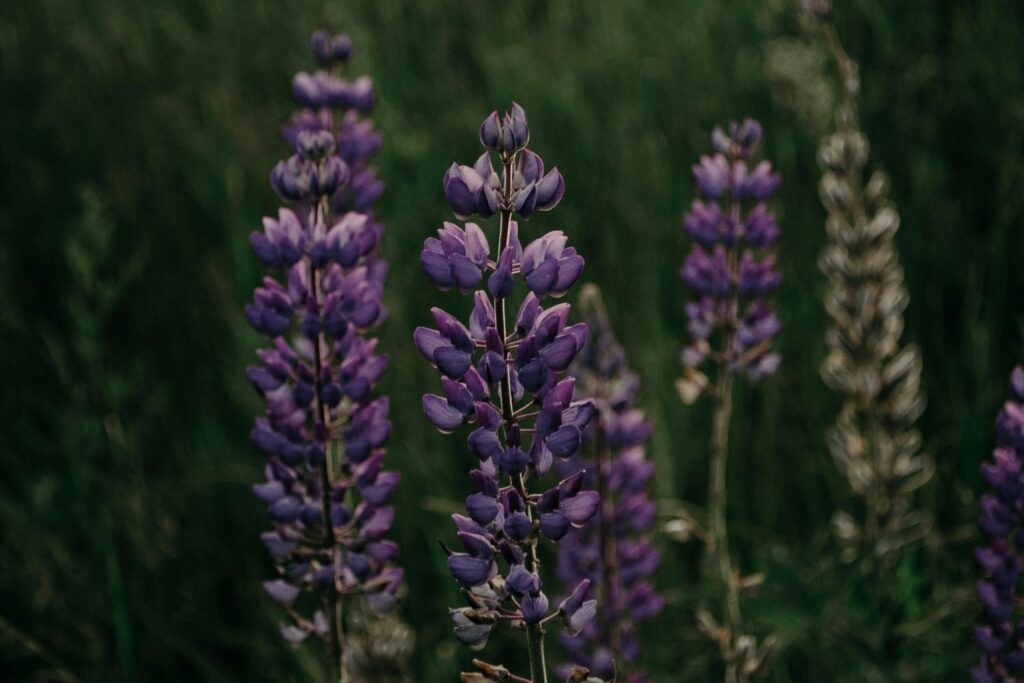
When you see a meadow glowing with tall, colorful spires of purple, blue, pink, or yellow, chances are you have stumbled upon lupines plant. Known for their striking clusters of pea-like flowers, lupines (Lupinus) are among the most dramatic and beloved plants across North America.
From the vast wildflower fields of Texas to the coastal roadsides of California and the alpine meadows of New England, lupines hold a special place in the American heart. They are more than just flowers; they’re symbols of wild beauty, soil restoration, and resilience.
This blog will take you through the history, symbolism, varieties, growing tips, cultural role, and ecological importance of lupines plant. Whether you’re a gardener, nature lover, or simply someone who appreciates the magic of wildflowers, lupines are sure to inspire you.
Table of Contents
The Origins and History of Lupines Plant
The name Lupinus comes from the Latin word lupus, meaning wolf. Early botanists believed lupines “devoured” soil nutrients like wolves devour prey. Ironically, the opposite is true—lupines enrich the soil by fixing nitrogen, making them allies of struggling landscapes.
Native to both North and South America, as well as the Mediterranean, lupines have thrived for centuries. Indigenous tribes in North America valued them for their beauty and practical benefits. Some species were used as food sources (after careful preparation to remove bitter alkaloids), while others played roles in cultural traditions.
In modern America, lupines plant have become symbols of wildflower conservation, especially in states like Texas and Maine, where fields of blue and purple lupines attract thousands of visitors each year.
The Symbolism of Lupines Plant
Lupines plant carry rich symbolic meaning:
- Imagination and Creativity – Their tall, whimsical spikes represent innovation and artistic spirit.
- Resilience and Adaptation – Thriving in poor soils and harsh climates, lupines symbolize endurance.
- Hope and Renewal – As nitrogen fixers, they prepare the soil for new life, embodying renewal.
- Beauty in Diversity – With countless colors and forms, lupines celebrate variety and individuality.
For gardeners and nature enthusiasts, lupines remind us that beauty and strength often bloom in unexpected places.
Popular Lupines Plant Varieties in the USA
It come in hundreds of species, but a few stand out in American landscapes:
- Texas Bluebonnet (Lupinus texensis)
- The state flower of Texas.
- Blankets fields and highways with stunning blue every spring.
- Wild Lupine (Lupinus perennis)
- Native to the eastern USA.
- Vital host plant for the endangered Karner blue butterfly.
- Arroyo Lupine (Lupinus succulentus)
- Common in California.
- Soft purple blooms that thrive in coastal and inland habitats.
- Russell Hybrids
- Popular garden variety.
- Available in rainbow colors from red to yellow to pink.
- Yellow Lupine (Lupinus luteus)
- Less common but prized for its golden hues.
Each variety adds its own magic, whether in a wild meadow, roadside, or home garden.
Ecological Value of Lupines Plant
It are not just beautiful—they are ecological powerhouses:
- Soil Enrichment: As nitrogen fixers, lupines improve soil fertility for other plants.
- Pollinators: Bees, hummingbirds, and butterflies adore lupine blooms.
- Wildlife Support: Provide habitat and food for insects, birds, and small animals.
- Conservation: Wild lupines are crucial for species survival, like the Karner blue butterfly.
Planting lupines is not just gardening—it’s an act of supporting biodiversity and healthy ecosystems.
How to Grow Lupines Plant in the USA
It may look exotic, but they’re surprisingly easy to grow.
- Hardiness Zones: USDA zones 4–8 (some species adapt beyond).
- Soil: Well-drained, sandy, or slightly acidic soil.
- Sunlight: Full sun to partial shade.
- Watering: Moderate; avoid waterlogged soil.
- Spacing: 12–18 inches apart.
- Bloom Time: Late spring to early summer.
Care Tips:
- Lupines have long taproots—avoid transplanting once established.
- Deadhead flowers to encourage more blooms.
- Add mulch to keep the soil cool and moist.
- Allow seed pods to ripen if you want natural reseeding.
With minimal effort, lupines will reward you with years of vibrant displays.
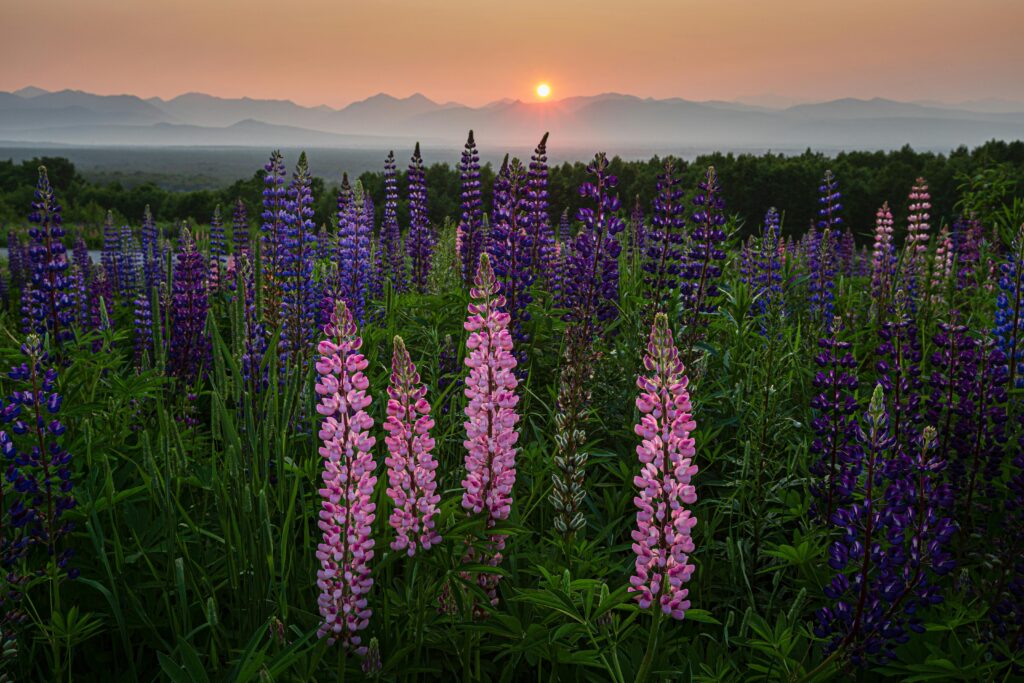
Lupines Plant in American Gardens
It shine in many garden settings:
- Cottage Gardens – Their tall spikes pair beautifully with roses, foxgloves, and delphiniums.
- Wildflower Meadows – Combine with daisies, coneflowers, and black-eyed Susans.
- Pollinator Gardens – Perfect for supporting bees and butterflies.
- Borders and Backdrops – Their height makes them excellent background plants.
Whether planted in clusters or wild drifts, lupines plant bring structure and drama to landscapes.
Cultural Role of Lupines Plant in the USA
Lupines plant hold a cherished place in American culture:
- Texas Bluebonnets: Every spring, fields of bluebonnets draw visitors across Texas, becoming a symbol of state pride and family traditions.
- New England Meadows: In Maine and Vermont, wild lupines signal the arrival of summer, often celebrated in local festivals.
- Children’s Literature: The famous picture book Miss Rumphius tells the story of “The Lupine Lady,” inspiring children to spread beauty in the world.
From roadside fields to storybooks, lupines are deeply woven into American identity.
Medicinal and Practical Uses of Lupines Plant
While some lupines are toxic if eaten raw, others have been cultivated for practical uses:
- Traditional Uses: Indigenous peoples used lupines in food (after careful preparation) and as natural soil enhancers.
- Modern Uses: Some lupine species are grown for livestock feed or as green manure.
- Nutritional Potential: Lupine seeds are high in protein and fiber, increasingly studied as a sustainable plant-based food.
Though not commonly used in American kitchens, lupines remain valuable for agriculture and soil health.
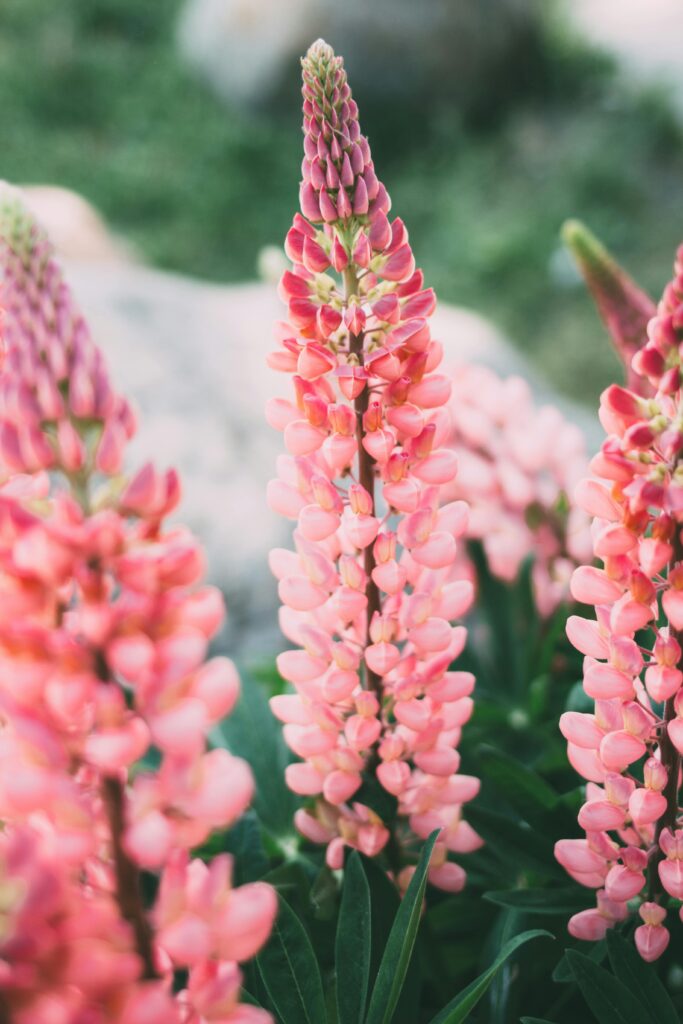
Why Americans Love Lupines Plant
Lupines continue to capture hearts for many reasons:
- Stunning color variety and dramatic height.
- Low maintenance and drought tolerance.
- Important for pollinators and soil enrichment.
- Strong ties to American culture and traditions.
- Ability to naturalize and return year after year.
Few plants combine wild beauty with ecological and cultural importance as gracefully as lupines.
Conclusion
Lupines plant are more than flowers—they’re storytellers of the land. From Texas bluebonnet fields to Maine’s summer meadows, they remind us of nature’s power to paint the world with color and life. Their resilience, ecological value, and cultural symbolism make them a true American treasure.
By planting lupines plant, you’re not just decorating your garden—you’re honoring history, supporting pollinators, enriching the soil, and carrying forward a tradition of beauty that belongs to the landscapes of America.
Year after year, lupines plant return to remind us that wild beauty and renewal are always within reach.
Leave a Reply